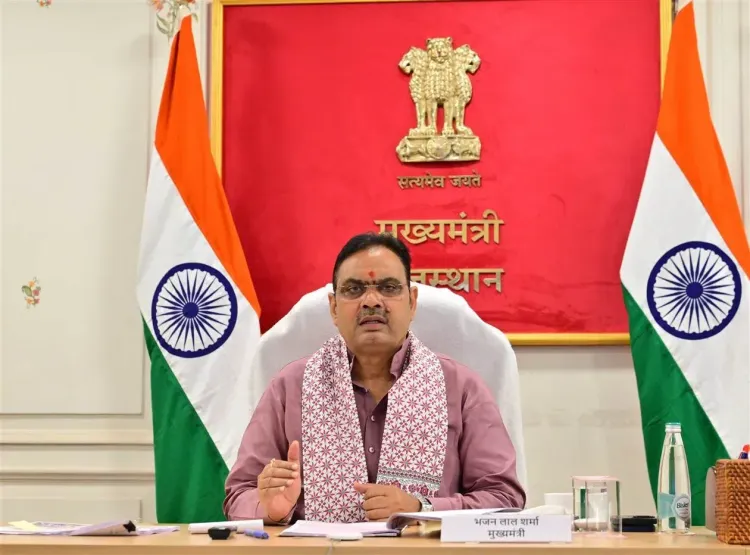
CM Bhajanlal chairs 7th Raj Unnati meet, reviews ₹15,890 cr projects
Synopsis
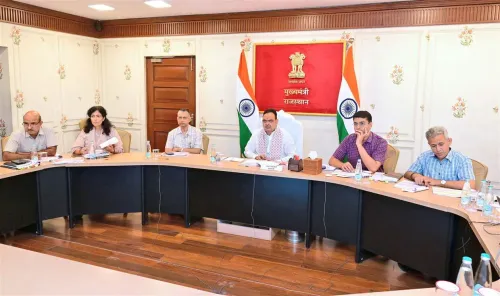
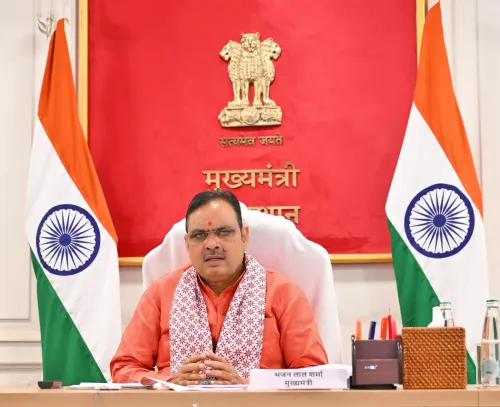
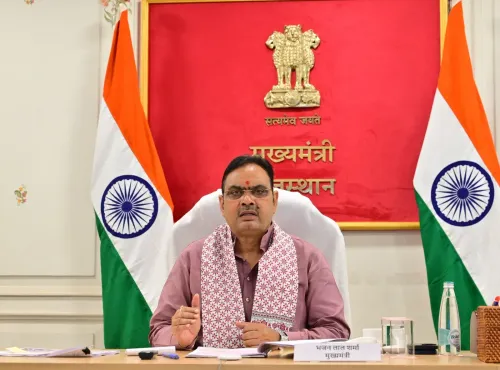
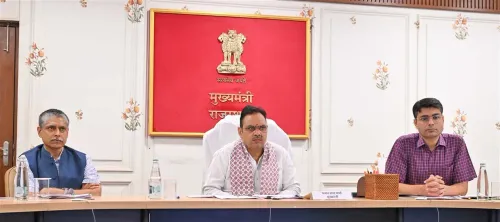
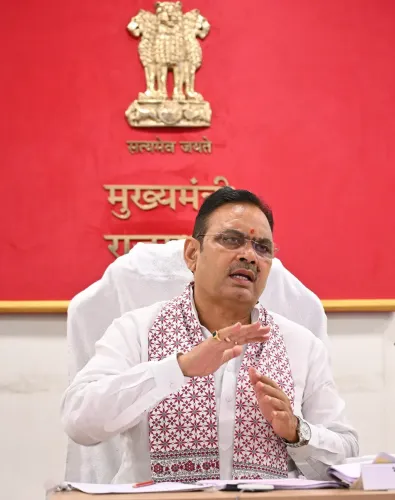
Chief Minister Bhajanlal Sharma chaired Rajasthan's seventh Raj Unnati meeting on 21 July 2026, reviewing ₹15,890 crore worth of projects across seven departments and issuing directives on grievance redressal, disability homes, GPS tracking of veterinary units, and action against negligent officials.
Key Takeaways
The seventh Raj Unnati meeting was chaired by CM Bhajanlal Sharma on 21 July 2026 .
Projects worth approximately ₹15,890 crore across seven departments were reviewed.
Schemes reviewed include Dr.
Shyama Prasad Mukherjee Jila Utthan Yojana , PM Awas Yojana-Gramin , and Panch Gaurav Yojana .
Officers found negligent under the Prasuti Sahayata Yojana were ordered to face action.
GPS and photo-based tracking of mobile veterinary units was mandated.
Directives were issued to improve facilities at disability homes and speed up resolution of Sampark Portal grievances.
Chief Minister Bhajanlal Sharma chaired the seventh Raj Unnati review meeting on Monday, 21 July 2026, examining projects worth approximately ₹15,890 crore across seven departments alongside flagship welfare schemes including the Dr. Shyama Prasad Mukherjee Jila Utthan Yojana, Pradhan Mantri Awas Yojana-Gramin, Panch Gaurav Yojana, and rural and urban service camps.
Context
The Raj Unnati series is a high-level inter-departmental review mechanism convened by the Chief Minister's Office to track the pace and quality of government schemes and infrastructure works. The seventh edition, held in Jaipur, brought together officials from seven departments to present progress reports and receive fresh directives. The meeting's agenda covered a wide cross-section of public-interest subjects — from the Sampark Portal grievance system and the Jaipur Ring Road (North) project to community complaints, facilities at homes for persons with disabilities, and the functioning of mobile veterinary units.
The Chief Minister's Office announced that the session also reviewed the Prasuti Sahayata Yojana (maternity assistance scheme), with directions issued to take action against officers found negligent in handling cases under the programme.
Policy Backdrop
The Sampark Portal is Rajasthan's centralised online grievance platform where citizens can register complaints and track their resolution. Periodic performance reviews of the portal at the highest level signal the government's stated commitment to accountable administration. The Pradhan Mantri Awas Yojana-Gramin, launched nationally in 2015, continues to be a key vehicle for rural housing delivery, and state-level reviews such as this one are standard practice to ensure beneficiary identification and fund utilisation remain on track.
The Panch Gaurav Yojana and the Dr. Shyama Prasad Mukherjee Jila Utthan Yojana are Rajasthan-specific frameworks targeting district-level upliftment across five priority development pillars. Together with the Jaipur Ring Road (North) project — a major urban connectivity initiative — these programmes represent a significant portion of the state's current capital and welfare outlay.
Key Directives Issued
The meeting resulted in several concrete instructions: action against officers who showed negligence in the Prasuti Sahayata Yojana; strengthening of facilities and services at homes for persons with disabilities; and ensuring GPS and photo-based tracking of all mobile veterinary units to improve accountability in livestock healthcare delivery. Officials were also directed to ensure swift and quality resolution of public complaints registered on the Sampark Portal.
The emphasis on technology-based monitoring — particularly GPS and photographic verification for mobile veterinary units — reflects the Rajasthan government's broader push to use digital tools to plug service delivery gaps in rural areas. Livestock owners, rural households, persons with disabilities, and the general public are the primary stakeholders affected by these directives.
What's Next
Progress on the Jaipur Ring Road (North) project and the rollout of GPS-based tracking for mobile veterinary units are expected to feature prominently in subsequent Raj Unnati reviews. The action taken against negligent officers under the Prasuti Sahayata Yojana will be closely watched as a signal of the administration's intent to enforce accountability across welfare delivery. With seven departments now under fresh directives, the next review cycle will test whether the meeting's instructions translate into measurable outcomes on the ground.
Point of View
High-visibility reviews rather than one-off announcements. Ordering action against officials negligent in a maternity scheme is a pointed signal that welfare delivery lapses will carry consequences — a message aimed as much at the bureaucracy as at the public. The mandate for GPS and photo-based tracking of mobile veterinary units fits a wider pattern of technology-led governance reforms the BJP-led state government has been advancing since taking office in December 2023. Whether these directives produce measurable improvements will determine the political credibility of the Raj Unnati mechanism itself.
NationPress
20 Oct 2026
Frequently Asked Questions
What is the Raj Unnati meeting in Rajasthan?
Raj Unnati is a high-level inter-departmental review meeting chaired by Chief Minister Bhajanlal Sharma to monitor the progress of government schemes and infrastructure projects across Rajasthan. The seventh such meeting was held on 21 July 2026.
How much was reviewed in the 7th Raj Unnati meeting?
Projects worth approximately ₹15,890 crore across seven departments were reviewed in the seventh Raj Unnati meeting, along with several welfare schemes.
What is the Sampark Portal in Rajasthan?
The Sampark Portal is Rajasthan's centralised online grievance registration and tracking system where citizens can file complaints and monitor their resolution. The Chief Minister directed swift and quality disposal of complaints registered on the portal.
What action was ordered against officers in the Prasuti Sahayata Yojana?
The Raj Unnati meeting directed that action be taken against officers found negligent in handling cases under the Prasuti Sahayata Yojana, Rajasthan's maternity assistance scheme.
What is GPS tracking of mobile veterinary units in Rajasthan?
The Rajasthan government has directed that all mobile veterinary units be tracked using GPS and photo-based systems to ensure accountability and verify that these units are actually reaching livestock owners in rural areas.