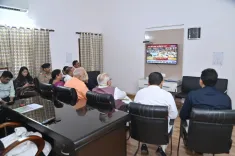
CM Bhajanlal Launches 'Bharat Taxi' Cooperative Mobility Platform in Jaipur
Synopsis
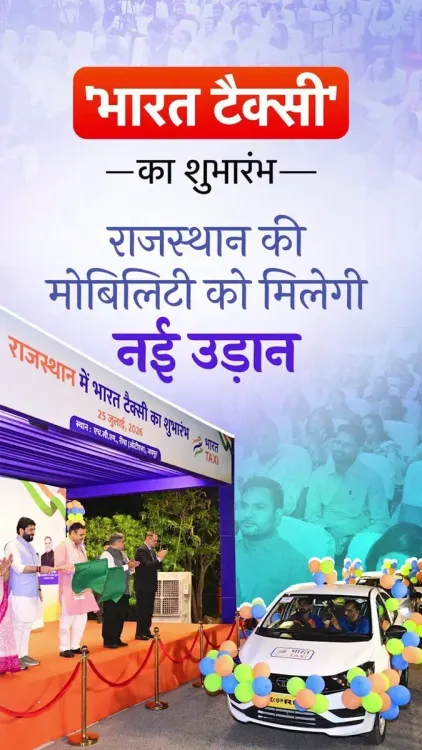
Chief Minister Bhajanlal Sharma launched 'Bharat Taxi', a cooperative-based ride-hailing platform, in Jaipur on 26 July 2026, pledging to connect all of Rajasthan to the network and positioning it as a potential global model for cooperative mobility.
Key Takeaways
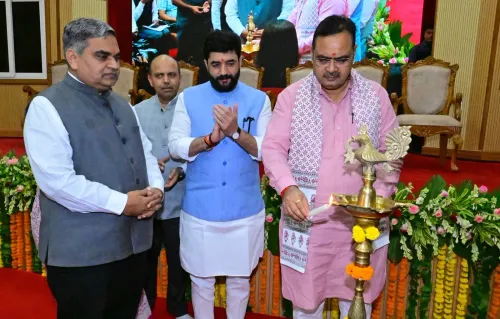
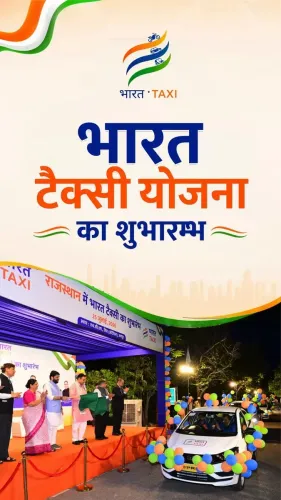
CM Bhajanlal Sharma launched Bharat Taxi on 26 July 2026 at the Bhagwat Singh Mehta Auditorium, OTS, Jaipur .
Bharat Taxi is built on cooperative principles , positioning drivers and operators as stakeholders rather than gig workers under a corporate platform.
The CM pledged to connect all of Rajasthan to the Bharat Taxi network, calling it a step toward transforming the state's mobility system.
The initiative aligns with the Union Government's cooperative push since the establishment of a dedicated Ministry of Cooperation in 2021 .
The government envisions Bharat Taxi becoming the world's most successful cooperative mobility platform in the years ahead.
District-level rollout timelines and potential tie-ups with national cooperative bodies remain key milestones to watch.
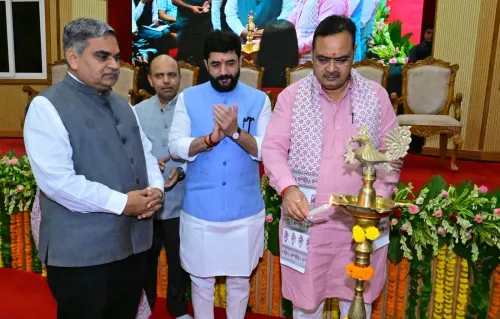
Chief Minister Bhajanlal Sharma on Sunday, 26 July 2026 launched 'Bharat Taxi', a cooperative-model ride-hailing platform, at the Bhagwat Singh Mehta Auditorium in OTS, Jaipur. The Chief Minister's Office of Rajasthan announced the launch, describing the initiative as an innovative model rooted in cooperative principles aimed at transforming the state's mobility landscape.
Context
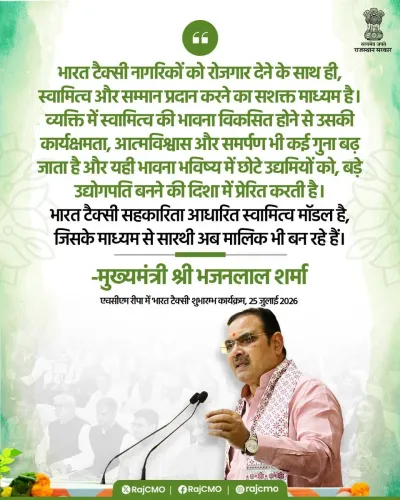
Addressing the gathering, CM Bhajanlal Sharma stated that connecting all of Rajasthan to the Bharat Taxi network would 'certainly take the state's mobility system to new heights' (प्रदेश की मोबिलिटी व्यवस्था को नई ऊँचाइयों पर ले जाएगा). He expressed confidence that through collective effort, Bharat Taxi would grow into 'not just the most successful cooperative-based mobility platform in India, but in the world' in the years ahead.
The launch took place at the Bhagwat Singh Mehta Auditorium within the OTS complex in Jaipur, a venue that regularly hosts major state government events and policy roll-outs.
Policy Backdrop
The Bharat Taxi initiative is built on cooperative principles, positioning drivers and operators as stakeholders rather than gig workers under a corporate aggregator. This model draws on the broader national push for cooperative enterprise, reinforced when the Union Government established a dedicated Ministry of Cooperation in 2021 to strengthen cooperative frameworks across economic sectors, including services and mobility.
Indian states have increasingly explored cooperative frameworks for last-mile connectivity to counter dominant app-based ride aggregators and empower local drivers through shared ownership. Rajasthan, India's largest state by area, presents a particular challenge for mobility given the mix of dense urban centres like Jaipur and vast rural and semi-arid hinterlands that remain underserved by private platforms.
Stakeholders and Impact
The primary beneficiaries of the Bharat Taxi model are expected to be taxi operators and drivers who would participate as cooperative members rather than commission-paying contractors, potentially retaining a larger share of fare revenue. Urban commuters and residents of tier-2 cities and rural districts across Rajasthan stand to gain from expanded, structured transport options.
Cooperative societies in the transport sector could see a significant organisational boost if Bharat Taxi scales as envisioned, providing a replicable template for other states. The initiative also aligns with national emphasis on self-reliant, technology-enabled cooperative platforms in logistics and passenger services.
What's Next
The key milestones to watch are the rollout timelines for district-level Bharat Taxi operations across Rajasthan's 50 districts and any formal partnerships with national cooperative bodies or state transport undertakings. The government's stated goal of a statewide network will require significant operational infrastructure, driver onboarding, and technology integration.
If the cooperative model gains traction, it could influence how other large Indian states approach the regulation and structuring of the ride-hailing sector, particularly as debates around gig-worker welfare and platform accountability intensify nationally.
Point of View
Using the cooperative ownership model as both an economic and political differentiator. By framing the platform in the language of national self-reliance and cooperative empowerment, the Bhajanlal Sharma government is aligning a state-level transport initiative with the ideological current of the Union's cooperative push since 2021. The ambition to scale beyond India signals an aspirational branding exercise, but the harder test will be whether the model can deliver viable earnings for drivers and reliable service for commuters across Rajasthan's vast and uneven geography. Success here could make Rajasthan a reference point for cooperative transport policy across Indian states.
NationPress
26 Jul 2026
Frequently Asked Questions
What is Bharat Taxi and how does it work?
Bharat Taxi is a cooperative-based ride-hailing platform launched in Rajasthan, where taxi operators and drivers participate as cooperative members rather than working under a corporate aggregator, allowing them to retain greater earnings and have a stake in the platform's governance.
Who launched Bharat Taxi in Rajasthan?
Chief Minister Bhajanlal Sharma launched Bharat Taxi on 26 July 2026 at the Bhagwat Singh Mehta Auditorium in OTS, Jaipur .
Is Bharat Taxi available across all of Rajasthan?
At launch, the government announced the goal of connecting all of Rajasthan to the Bharat Taxi network, but district-level rollout timelines and operational details are yet to be confirmed.
How is Bharat Taxi different from Ola or Uber?
Unlike Ola or Uber, which are corporate-owned aggregator platforms where drivers pay commissions, Bharat Taxi is structured on cooperative principles, meaning drivers and operators are intended to be co-owners with a share in the platform's profits and governance.
What is the government's vision for Bharat Taxi?
CM Bhajanlal Sharma stated the vision is for Bharat Taxi to become 'not just the most successful cooperative-based mobility platform in India, but in the world' in the coming years, by integrating technology with cooperative principles.