CM Bhajanlal Directs Better Plan for Bharatpur Heritage
Synopsis
Rajasthan CM Bhajan Lal Sharma has directed that development and heritage conservation works in Bharatpur — home to Lohagarh Fort and the UNESCO-listed Keoladeo National Park — must be executed with a well-structured action plan, reinforcing the state's integrated heritage-tourism policy.
Key Takeaways
The Chief Minister's Office of Rajasthan posted the directive on 26 May 2026 , attributed to CM Bhajan Lal Sharma .
Bharatpur is described as a historical heritage of Rajasthan, home to Lohagarh Fort and Keoladeo National Park , a UNESCO World Heritage Site .
The directive calls for both development and heritage conservation to proceed under a 'better action plan.' The instruction aligns with Rajasthan's State Tourism Policy 2022 , which mandates integrated heritage-site development with conservation safeguards.
Central funding for monument upkeep typically requires state action plans, making this directive administratively significant.
Stakeholders include Bharatpur residents, tourism operators, the ASI , and UNESCO committees overseeing Keoladeo.
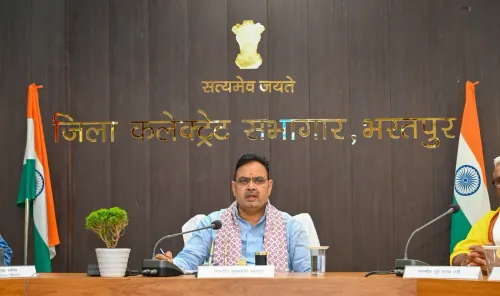
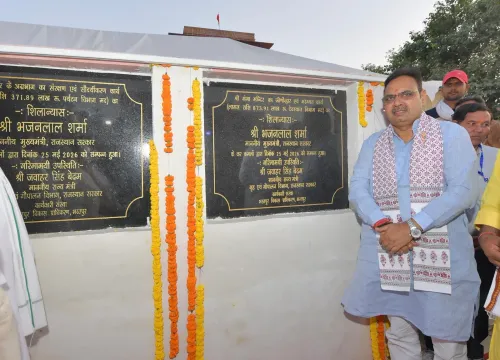
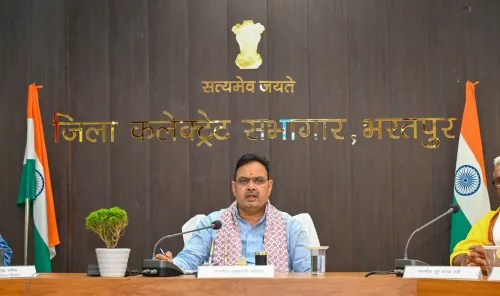
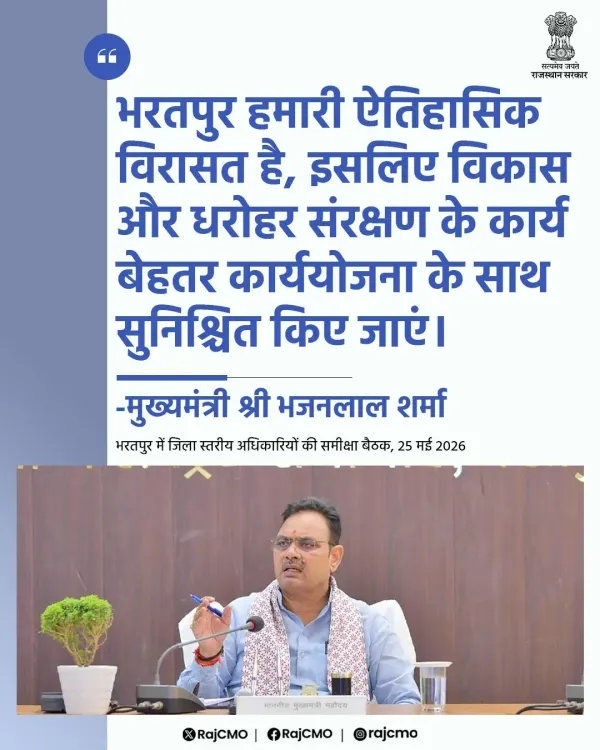
The Chief Minister's Office of Rajasthan on Tuesday, 26 May 2026 shared a directive from Chief Minister Bhajan Lal Sharma calling for development and heritage conservation work in Bharatpur to be carried out with a well-structured action plan, underscoring the city's historical significance to the state.
The post, addressed to @BhajanlalBjp under the hashtag #आपणो_अग्रणी_राजस्थान ('Our Leading Rajasthan'), carried the instruction: 'Bharatpur hamaari aitihasik virasat hai, isliye vikas aur dharohar sanrakshan ke karya behtar karyayojana ke saath sunishchit kiye jaayein' — 'Bharatpur is our historical heritage, therefore works of development and heritage conservation must be ensured with a better action plan.'
Context
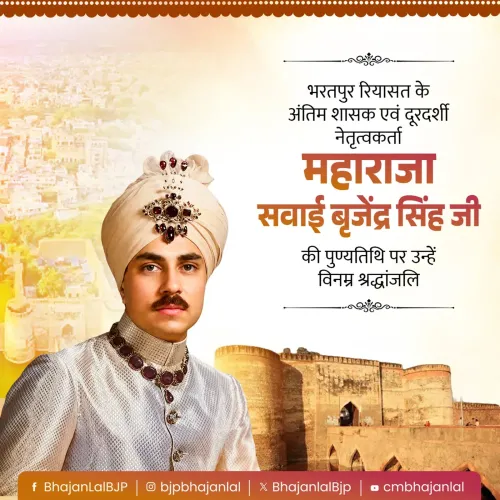
Bharatpur, located in eastern Rajasthan, is the seat of the former Jat kingdom and home to the iconic Lohagarh Fort, one of the few forts in India that was never captured by British forces. The city also hosts Keoladeo National Park, a UNESCO World Heritage Site recognised for its globally significant wetland and bird sanctuary ecosystem. Together, these assets make Bharatpur one of the state's most historically and ecologically dense districts.
The Chief Minister's directive signals that the administration intends to treat Bharatpur's development trajectory as inseparable from the preservation of its built and natural heritage — a framing that carries both cultural and economic weight.
Policy Backdrop
Rajasthan's State Tourism Policy 2022 had already prioritised integrated heritage-site development with conservation safeguards for forts, palaces, and protected monuments across the state. The current directive from CM Bhajan Lal Sharma, who assumed office in December 2023, appears to reinforce that policy framework with a location-specific push for Bharatpur.
Rajasthan governments have historically paired infrastructure upgrades around historic towns with statutory heritage-protection norms, reflecting the state's heavy dependence on cultural tourism revenue. Similar directives have been issued for former princely centres such as Jodhpur, Udaipur, and Bikaner since the early 2010s. Central funding schemes for monument upkeep and site museums typically require state-level action plans as a precondition for the release of funds, making such directives administratively consequential.
Stakeholders and Impact
The directive is of direct relevance to Bharatpur's residents, local tourism operators, heritage conservation bodies, and the Archaeological Survey of India (ASI), which has jurisdiction over several protected monuments in the region. Keoladeo National Park's status as a UNESCO World Heritage Site also means that any major development or conservation plan in the area may require coordination with relevant UNESCO committees to ensure compliance with international heritage norms.
For local communities, the dual emphasis on 'development' and 'heritage conservation' signals that urban and civic improvements are expected to proceed without compromising the integrity of protected sites — a balance that has been a recurring challenge in heritage towns across India.
What's Next
The immediate focus will be on whether the state government releases a detailed Bharatpur action plan, and whether supplementary budget allocations are earmarked to support it in the ongoing fiscal year. Observers will also watch for formal coordination between state agencies, the ASI, and UNESCO bodies, particularly given Keoladeo National Park's World Heritage designation. The directive, while directional in nature, sets the expectation that a structured, publicly available plan will follow — and its scope and timeline will be the true test of the administration's intent.
Point of View
The CM is also positioning his administration within the broader national discourse on sustainable cultural tourism. The real test, however, will be whether a concrete, funded action plan follows — or whether the directive remains an aspirational signal.
NationPress
19 Sept 2026
Frequently Asked Questions
Why is Bharatpur considered a heritage city in Rajasthan?
Bharatpur is the seat of the former Jat kingdom and home to Lohagarh Fort , one of India's most historically significant forts, and Keoladeo National Park , a UNESCO World Heritage wetland site — making it one of Rajasthan's most important historical and ecological destinations.
What did CM Bhajan Lal Sharma say about Bharatpur?
CM Bhajan Lal Sharma directed that development and heritage conservation works in Bharatpur must be carried out with a well-structured action plan, calling the city 'our historical heritage.'
What is Keoladeo National Park and why does it matter?
Keoladeo National Park in Bharatpur is a UNESCO World Heritage Site known for its wetland ecosystem and as a critical habitat for migratory birds, making it central to both biodiversity conservation and Rajasthan's tourism economy.
What is Rajasthan's policy on heritage conservation and tourism?
Rajasthan's State Tourism Policy 2022 prioritised integrated heritage-site development with conservation safeguards for forts, palaces, and protected monuments, requiring structured action plans before central funds for monument upkeep can be released.
What will happen next after CM Bhajanlal's Bharatpur directive?
The focus will be on the release of a detailed Bharatpur action plan, potential supplementary budget allocations, and coordination with the Archaeological Survey of India and UNESCO committees, particularly concerning Keoladeo National Park .