CM Bhajanlal Sharma Holds Gram Vikas Chaupal in Nagaur
Synopsis
Chief Minister Bhajanlal Sharma visited Tilanesh village in Nagaur district on 18 July 2026 to hold a Gram Vikas Chaupal, dialoguing with women on welfare scheme outcomes and urging them to extend the government's outreach to other beneficiaries.
Key Takeaways
CM Bhajanlal Sharma personally attended the Gram Vikas Chaupal in Tilanesh village, Degana, Nagaur district on 18 July 2026 .
He gathered feedback from women on how government schemes have changed their lives and collected suggestions for improvement.
The Chief Minister called on women to 'make maximum use of government schemes' and bring other women into the beneficiary network.
Senior officials present included Minister Kanhaiyalal Chaudhary , State Minister Manju Baghmar , and Farmers Commission Chairman C.R.
The event reflects the BJP government's grassroots outreach strategy, continuing a tradition of village-level consultation under Rajasthan's Panchayati Raj framework.
Suggestions collected may inform future modifications to welfare scheme delivery at the district level.
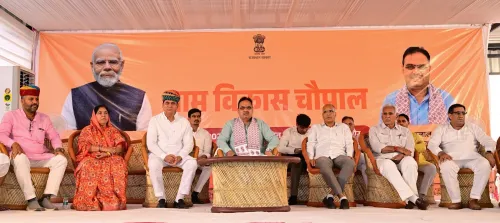
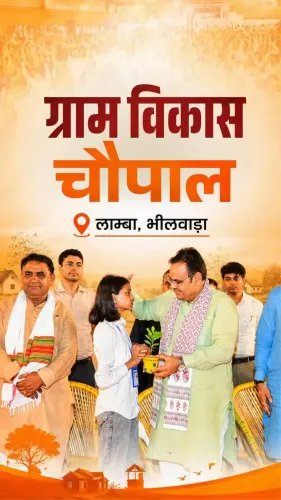
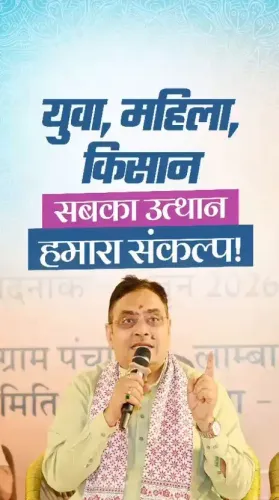
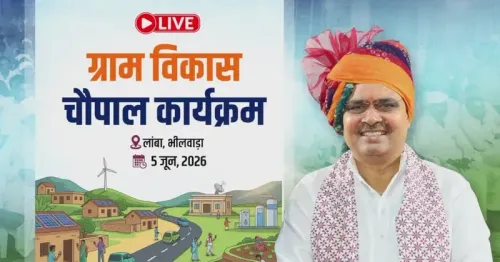
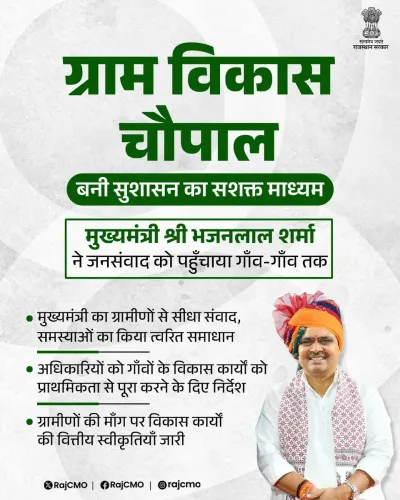
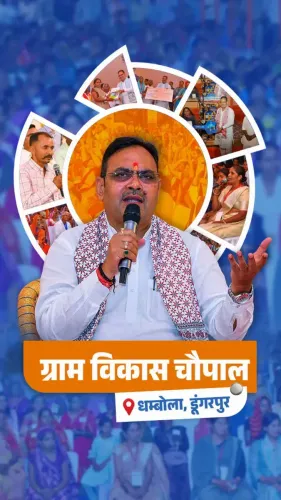
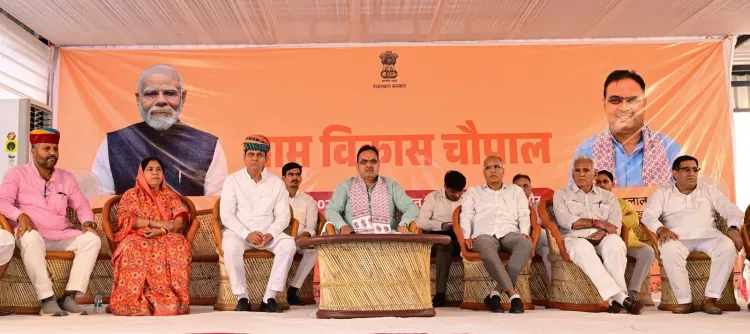
Chief Minister Bhajanlal Sharma engaged directly with women beneficiaries at a Gram Vikas Chaupal held in Tilanesh village, Degana tehsil, Nagaur district, on Saturday, 18 July 2026, gathering feedback on the impact of government welfare schemes and calling on women to bring more beneficiaries into the fold.
Context
The Chief Minister's Office of Rajasthan shared that CM Sharma held an interactive session — mahilaon ke saath samvaad (dialogue with women) — during which he sought firsthand accounts of how various state schemes had changed lives in the village. He also collected suggestions from attendees on improving programme delivery.
CM Sharma urged the women present to 'make maximum use of government schemes and connect other women to them as well,' according to the official post. The appeal reflects an emphasis on peer-led outreach as a tool for expanding last-mile coverage in rural Rajasthan.
Policy Backdrop
The Gram Vikas Chaupal format sits within Rajasthan's broader tradition of village-level consultation, rooted in the Panchayati Raj framework established under the 73rd Constitutional Amendment of 1993. Direct chief-ministerial participation in such forums is designed to create an accountable feedback loop between state government and rural beneficiaries.
The current BJP administration, in power since December 2023, has continued and expanded this grassroots outreach approach, particularly targeting women as key stakeholders in health, nutrition, and rural development programmes. Similar CM-level chaupal interactions have been observed across Indian states as a mechanism to monitor welfare scheme outcomes at the ground level.
Stakeholders and Impact
Senior ministers accompanied the Chief Minister, signalling the administration's cross-departmental focus on the event. Public Health and Engineering Minister Kanhaiyalal Chaudhary, Women and Child Development State Minister Manju Baghmar, and Rajasthan State Farmers Commission Chairman C.R. Chaudhary were among those present, along with elected representatives and a large number of women from the area.
The presence of the Women and Child Development minister alongside the Farmers Commission chairman indicates that the chaupal addressed a spectrum of concerns — from nutrition and social welfare to agricultural support — affecting rural women in Nagaur, a predominantly agrarian district.
What's Next
The suggestions collected at the Tilanesh chaupal are expected to feed into the state government's review of scheme implementation at the district level. Observers will watch for any follow-up announcements on scheme modifications or expansions arising from such grassroots consultations.
The Gram Vikas Chaupal model, if scaled to additional districts, could become a structured mechanism for the Rajasthan government's welfare delivery audit ahead of future electoral cycles. The hashtag #AapnoAgrani_Rajasthan — meaning 'Our Leading Rajasthan' — signals the administration's intent to brand this outreach as part of a wider development narrative.
Point of View
The administration signals that rural women are being treated as a cross-sectoral constituency rather than a single-scheme demographic. The 'connect other women' appeal is a low-cost force-multiplier strategy that outsources last-mile beneficiary mobilisation to existing recipients. If the chaupal format is institutionalised across Rajasthan's districts, it could give the state a structured grassroots audit mechanism — but its policy impact will depend on whether the suggestions collected translate into concrete scheme modifications.
NationPress
18 Jul 2026
Frequently Asked Questions
What is a Gram Vikas Chaupal?
A Gram Vikas Chaupal is a village-level open dialogue session where government officials, including senior ministers or the Chief Minister, meet residents directly to discuss welfare scheme delivery, collect feedback, and address local development concerns.
Why did CM Bhajanlal Sharma visit Tilanesh village in Nagaur?
CM Bhajanlal Sharma visited Tilanesh village in Degana, Nagaur on 18 July 2026 to hold a Gram Vikas Chaupal, where he engaged with women beneficiaries to understand the impact of government schemes and gather their suggestions.
Which ministers attended the Gram Vikas Chaupal in Nagaur?
Public Health and Engineering Minister Kanhaiyalal Chaudhary, Women and Child Development State Minister Manju Baghmar, and Rajasthan State Farmers Commission Chairman C.R. Chaudhary attended the chaupal alongside CM Sharma.
What did CM Sharma ask women at the Nagaur chaupal?
CM Sharma urged women to make maximum use of government schemes and to connect other women in their communities to these programmes, while also seeking their feedback on how the schemes had impacted their lives.
What is the significance of the hashtag AapnoAgrani_Rajasthan?
The hashtag translates to 'Our Leading Rajasthan' and is used by the Rajasthan government to brand its development and outreach initiatives as part of a wider vision to position the state as a model of governance and welfare delivery.