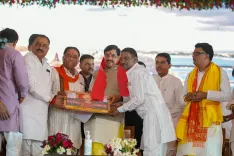
Rajasthan CMO launches Gram Vikas Chaupals for rural outreach
Synopsis
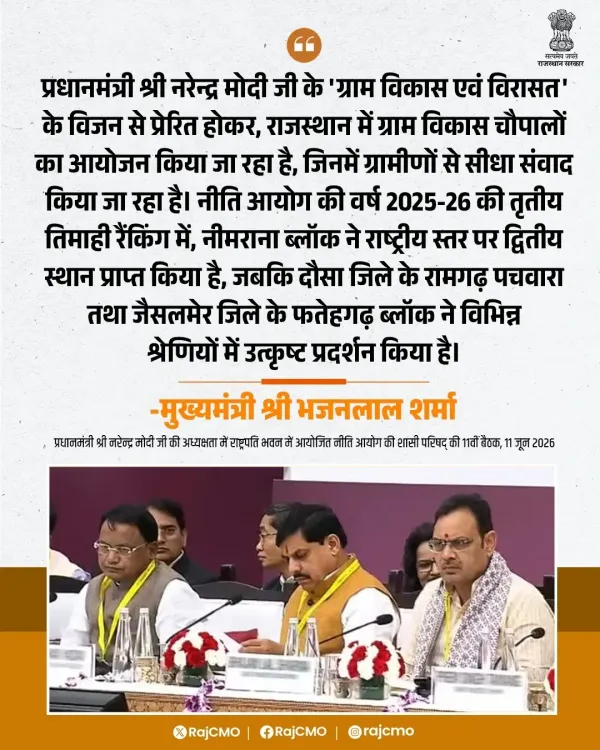
The Rajasthan CMO announced Gram Vikas Chaupals on June 12, 2026 — village forums for direct official-citizen dialogue inspired by PM Modi's rural development and heritage vision, with CM Bhajan Lal Sharma leading state-level implementation.
Key Takeaways
Gram Vikas Chaupals are being organised across Rajasthan as village-level dialogue forums between officials and rural residents.
The programme is described as inspired by PM Narendra Modi's vision of Gram Vikas evam Virasat — village development and heritage.
Chief Minister Bhajan Lal Sharma is directly associated with the initiative, signalling top-level political ownership.
The format draws from a policy lineage that includes the Saansad Adarsh Gram Yojana (2014) and the Rashtriya Gram Swaraj Abhiyan (2018) .
Primary beneficiaries are rural villagers and gram panchayats across the state.
Specific scope, district coverage, and measurable targets have not yet been publicly disclosed.
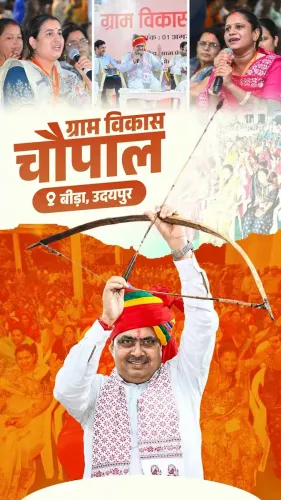
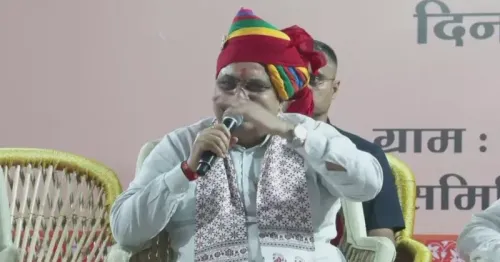
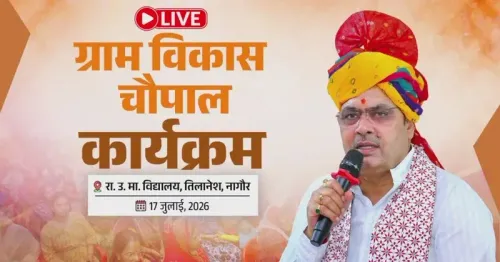
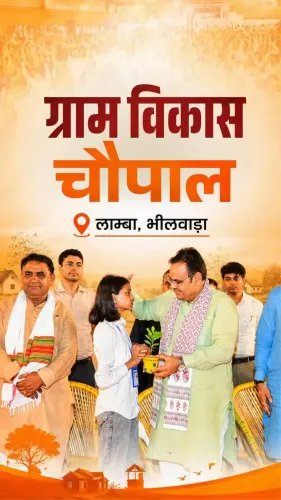
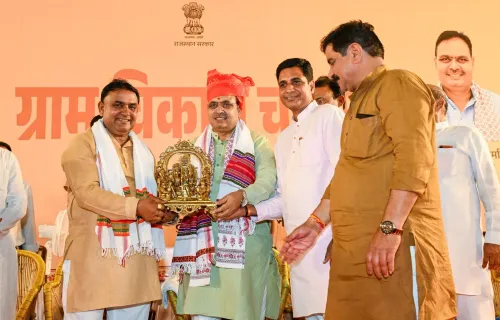
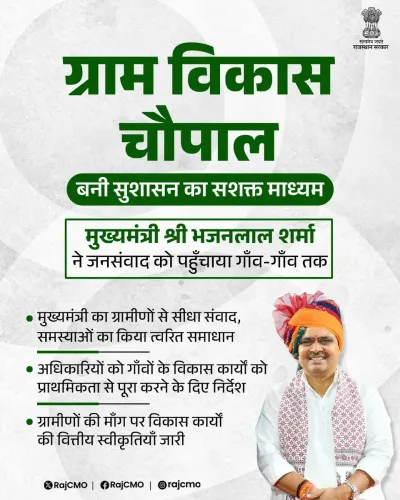
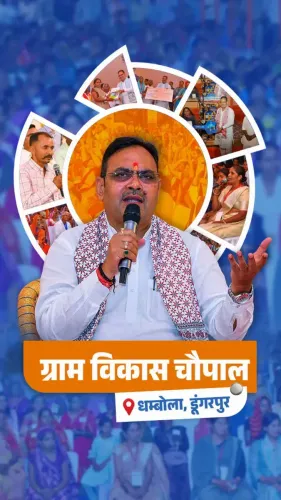
The Chief Minister's Office of Rajasthan announced on Friday, June 12, 2026, that Gram Vikas Chaupals — village-level dialogue forums — are being organised across Rajasthan, drawing inspiration from Prime Minister Narendra Modi's vision of 'Gram Vikas evam Virasat' (village development and heritage). The initiative, backed by Chief Minister Bhajan Lal Sharma, aims to establish direct communication between officials and rural communities.
Context
The CMO's post states that the chaupals are being held to carry forward PM Modi's vision of combining rural development with cultural heritage. The announcement uses the hashtag #AapnoAgraniRajasthan ('Our Leading Rajasthan'), which has been associated with the state government's broader development branding. CM Bhajan Lal Sharma is tagged directly, signalling his personal ownership of the programme.
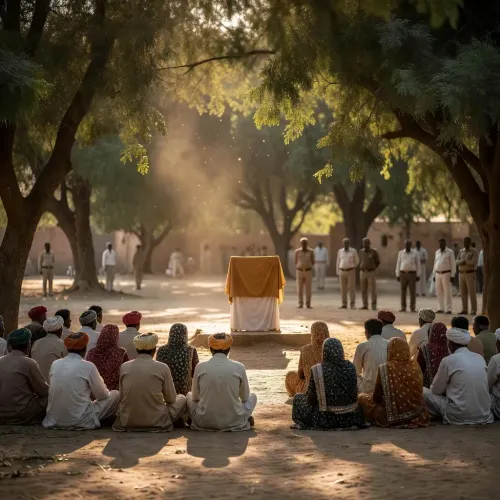
A chaupal is a traditional village gathering space, and the format has historical roots in grassroots democratic practice in India. By reviving this format as an official outreach mechanism, the state government is positioning itself as accessible and grounded in local culture.
Policy Backdrop
The initiative draws from a lineage of central rural development schemes. The Saansad Adarsh Gram Yojana, launched in 2014, sought holistic village development through parliamentary-level adoption of model villages. The Rashtriya Gram Swaraj Abhiyan, initiated in 2018, focused on strengthening Panchayati Raj institutions and improving grassroots planning capacity.
The Gram Vikas Chaupals appear to build on this policy architecture by adding a direct-dialogue layer — bringing state officials into villages to listen, respond, and communicate scheme benefits. This approach aligns with the long-standing policy emphasis on strengthening local self-governance and improving last-mile delivery of welfare programmes.
Stakeholders and Impact
Rural villagers and gram panchayats across Rajasthan are the primary stakeholders. The chaupal format, by design, lowers the barrier for ordinary citizens to interact with officials, potentially surfacing local grievances and development gaps that are otherwise difficult to capture through formal administrative channels.
For the state government, the programme serves as both a governance tool and a political outreach mechanism — demonstrating responsiveness to rural constituencies, which form a significant portion of Rajasthan's electorate. The involvement of gram panchayat structures also reinforces institutional capacity at the village level.
What's Next
The CMO's announcement does not specify the exact number of districts covered, the timeline for completion, or measurable targets for the programme. Observers will watch for state-level reporting on chaupal outcomes, including whether specific development commitments are made and followed through at the village level.
Should the model demonstrate tangible results, similar chaupal-based outreach formats could be replicated in additional districts or serve as a template for other BJP-governed states looking to strengthen rural engagement ahead of future electoral cycles.
Point of View
Combining governance optics with genuine outreach. By invoking PM Modi's vision explicitly, the Rajasthan government reinforces vertical alignment with the Centre — a pattern seen consistently in BJP states since 2014. The chaupal format is politically astute: it is culturally resonant, low-cost to organise, and generates visible ground-level presence for elected representatives. The real test, however, will be whether the forums translate into verifiable development outcomes or remain primarily a communication exercise.
NationPress
26 Oct 2026
Frequently Asked Questions
What are Gram Vikas Chaupals in Rajasthan?
Gram Vikas Chaupals are village-level forums organised by the Rajasthan government for direct dialogue between state officials and rural residents, aimed at communicating development schemes and gathering local feedback.
Who is behind the Gram Vikas Chaupal initiative in Rajasthan?
The initiative is led by Chief Minister Bhajan Lal Sharma under the direction of the Chief Minister's Office of Rajasthan , drawing inspiration from PM Narendra Modi's rural development and heritage vision.
What is the 'Gram Vikas evam Virasat' vision?
Gram Vikas evam Virasat translates to 'village development and heritage' and refers to PM Modi's framework for combining rural infrastructure and livelihood development with the preservation of village cultural heritage.
How do Gram Vikas Chaupals relate to central government schemes?
They build on the policy lineage of central schemes such as the Saansad Adarsh Gram Yojana (2014) and the Rashtriya Gram Swaraj Abhiyan (2018) , which focused on holistic village development and strengthening Panchayati Raj institutions.
Who benefits from the Gram Vikas Chaupals?
The primary beneficiaries are rural villagers and gram panchayats across Rajasthan, who gain a direct channel to engage with officials on local development needs and government schemes.