CM Bhajanlal Sharma Pushes Agri, Tourism, Industry Goals
Synopsis
The Chief Minister's Office of Rajasthan posted on 30 October 2026 reaffirming CM Bhajanlal Sharma's three-pillar agenda: linking agriculture to modern tech and markets, promoting heritage and folk-culture tourism, and creating a pro-industry environment across India's largest state.
Key Takeaways
The Chief Minister's Office of Rajasthan posted on 30 October 2026 reaffirming the state government's development priorities.
CM Bhajanlal Sharma , in office since December 2023 , is pushing to connect agriculture and agri-based industries to modern technology and better markets.
Tourism promotion is framed around Rajasthan's historical monuments and rich folk culture as competitive strengths.
Creating a 'conducive environment for industry' is the third pillar, aimed at attracting investment to India's largest state by area .
The post carries the hashtag #आपणो_अग्रणी_राजस्थान ('Our Pioneering Rajasthan'), the BJP government's branding for its development narrative.
No new schemes or specific allocations were announced; the post signals strategic direction ahead of potential budget and departmental announcements.
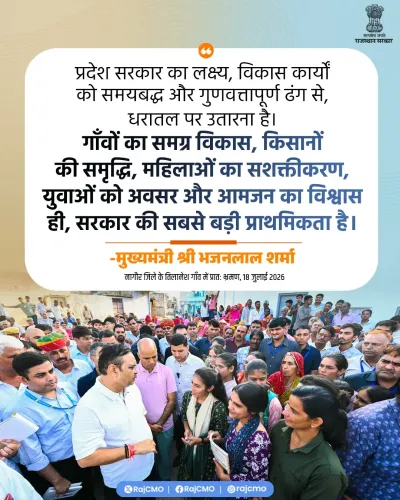
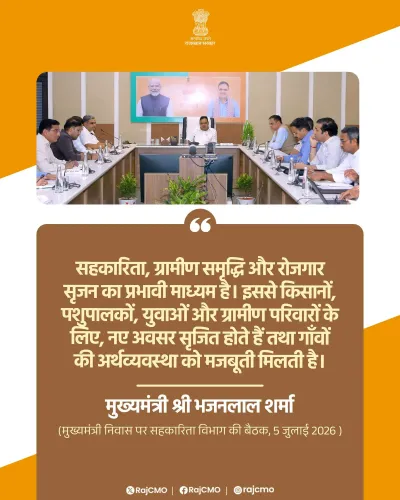
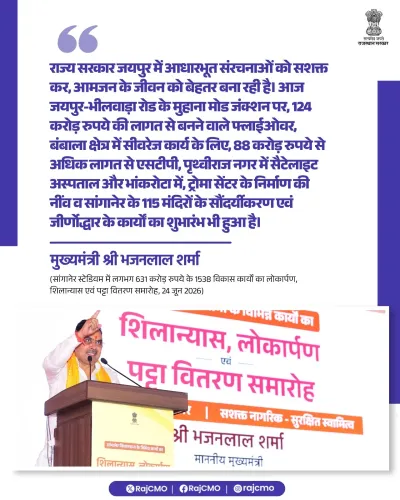
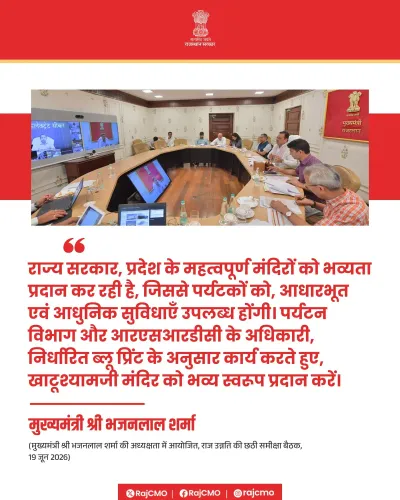
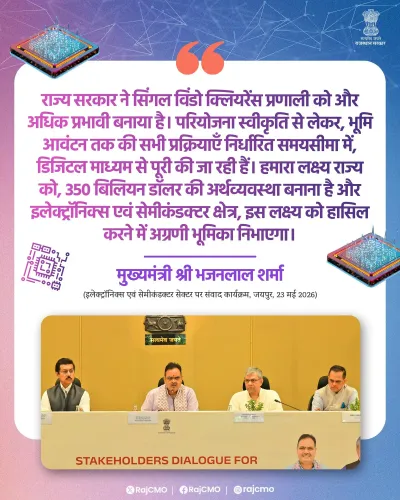
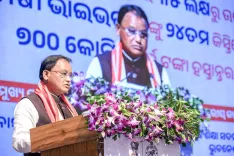
Rajasthan is placing three big bets at once — modernising its agrarian backbone, monetising its unmatched heritage landscape, and rolling out the red carpet for industry — and the state government wants every stakeholder to know the direction of travel. The Chief Minister's Office of Rajasthan posted on X on Friday, 30 October 2026, reaffirming Chief Minister Bhajanlal Sharma's commitment to connecting agriculture and agri-based industries to modern technology and better markets, promoting tourism in keeping with Rajasthan's historical monuments and rich folk culture, and creating a conducive environment for industry.
The post, tagged to @BhajanlalBjp and carrying the hashtag #आपणो_अग्रणी_राजस्थान ('Our Pioneering Rajasthan'), is a compact statement of the three-pronged development framework the BJP government has articulated since it took charge after the December 2023 assembly elections.Agriculture meets technology in India's largest state
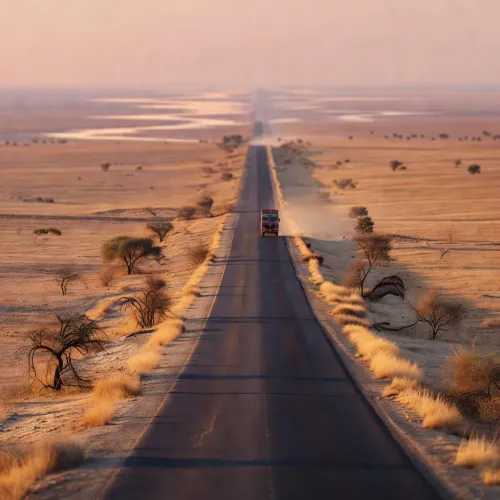
Rajasthan is India's largest state by area, and farming underpins the livelihoods of a vast share of its population. The government's stated focus is on linking farmers and agri-based industries to modern technology and better-priced markets — a goal that echoes the national emphasis on technology adoption and supply-chain integration. Where that translates into specific programmes, budgetary allocations, or department circulars will be the real test of intent.
Agri-based industries — from oilseed processing to spice milling — stand to gain if market-linkage policy moves from rhetoric to procurement infrastructure, cold chains, and digital mandis. Farmers, agri-industry operators, and rural entrepreneurs across the state's desert and semi-arid belt are the primary audience for this signal.
Heritage forts and folk culture as economic engines
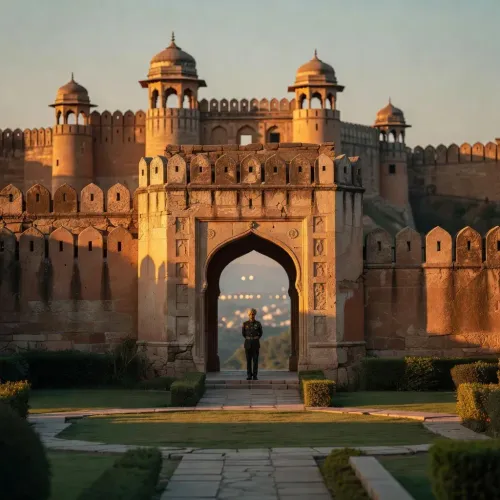
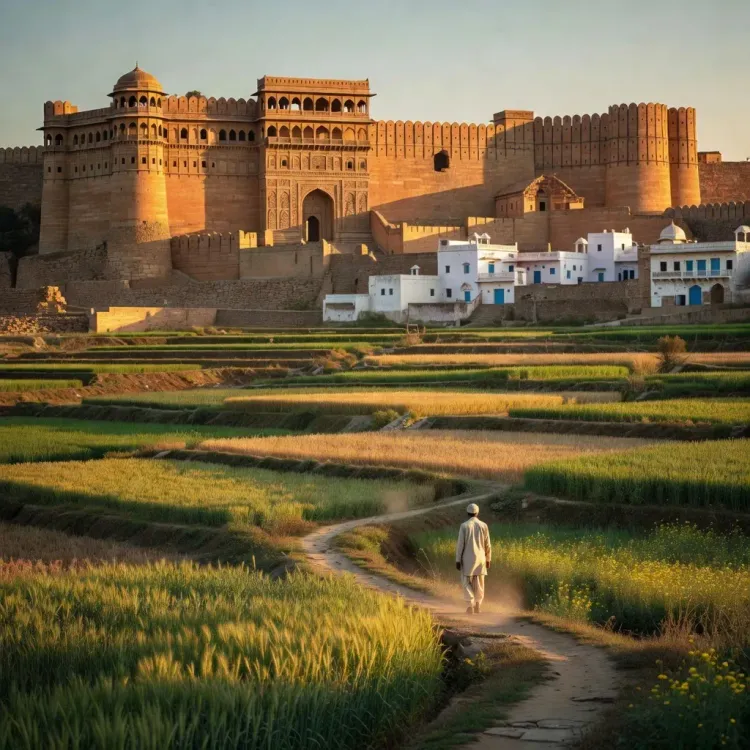
Rajasthan's tourism sector is one of its most durable revenue streams, anchored by iconic forts, palaces, and a living tradition of folk music, crafts, and festivals that draw visitors from across India and abroad. The CMO's framing — promoting tourism 'in keeping with historical heritage and rich folk culture' — positions heritage authenticity as a competitive advantage rather than an obstacle to development.
Tourism operators, hospitality businesses, and the artisan communities whose crafts form the texture of the Rajasthani visitor experience are the stakeholders watching whether this priority finds expression in state tourism department budgets and infrastructure investment in sites beyond the well-trodden Jaipur-Jodhpur-Udaipur triangle.
Industry-friendly signal to investors
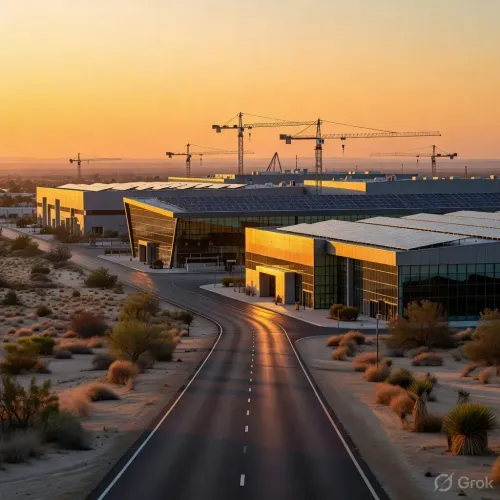
The third pillar — creating a 'conducive environment for industry' — is the government's standing pitch to domestic and foreign investors. Rajasthan has historically competed with neighbouring states for manufacturing and logistics projects, and each restatement of industrial policy intent carries weight in investor-relations calendars. Whether new ease-of-doing-business measures or sector-specific incentives follow this communication will shape how seriously the business community reads it.
All three goals — agricultural modernisation, heritage tourism, and industrial facilitation — have featured as Rajasthan government priorities across successive administrations; what the current BJP dispensation under Bhajanlal Sharma must now show is the specificity that distinguishes a policy agenda from a policy aspiration.Point of View
Yet specific enough to anchor the BJP government's brand identity ahead of investor and agricultural-policy calendars. By yoking all three pillars — agri-tech, heritage tourism, and industry — into a single message, the Sharma administration is signalling coherence to multiple constituencies simultaneously. The hashtag 'Our Pioneering Rajasthan' is a deliberate contrast with the previous government's slogans, and its repeated use suggests the BJP is consolidating a narrative identity heading into mid-term governance reviews. The real political test is whether subsequent departmental announcements deliver concrete programmes that farmers, tourism operators, and investors can act on.
NationPress
30 Oct 2026
Frequently Asked Questions
What are CM Bhajanlal Sharma's main development priorities for Rajasthan?
CM Bhajanlal Sharma's stated priorities include modernising agriculture and agri-based industries by connecting them to better technology and markets, promoting tourism aligned with Rajasthan's historical heritage and folk culture, and building a business-friendly environment for industry.
What does the hashtag Aapno Agrani Rajasthan mean?
'Aapno Agrani Rajasthan' translates from Rajasthani as 'Our Pioneering Rajasthan' and is used by the BJP government under CM Bhajanlal Sharma as a branding slogan for its state development agenda.
When did Bhajanlal Sharma become Chief Minister of Rajasthan?
Bhajanlal Sharma was sworn in as Chief Minister of Rajasthan in December 2023, following the BJP's victory in the state assembly elections.
Why is Rajasthan important for tourism in India?
Rajasthan is home to some of India's most iconic forts, palaces, and a vibrant tradition of folk music, crafts, and festivals, making it one of the country's top heritage tourism destinations.
What new schemes did the Rajasthan government announce in this post?
No specific new schemes were announced in this post; it is a reaffirmation of the government's broad development direction covering agriculture, tourism, and industry.