CM Bhajanlal Sharma Pushes Branding, Sales Access for Rural Women
Synopsis
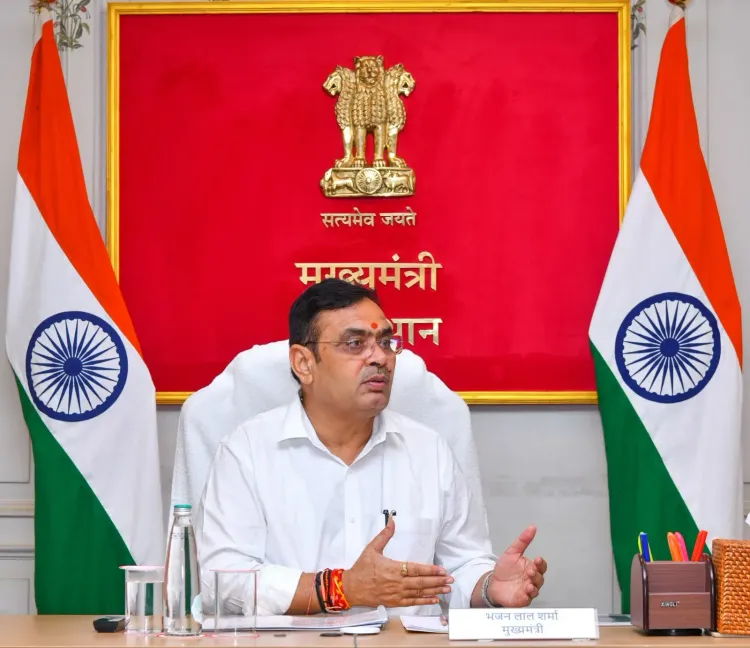
Chief Minister Bhajanlal Sharma chaired a Rajeevika and Dairy review in Jaipur on 14 November 2026, directing officials to extend support for rural women beyond production into marketing, branding, and sales to deepen economic self-reliance.
Key Takeaways
CM Bhajanlal Sharma reviewed Rajeevika and Dairy departments at the Chief Minister's Office on 14 November 2026 .
Sharma directed that rural women be provided access to marketing, branding, and sales opportunities in addition to product manufacturing support.
Srinivas and Additional Chief Secretary Akhil Arora attended, signalling high-level administrative follow-through.
Rajeevika implements the national NRLM (2011) framework, organising rural women into self-help groups linked to credit and livelihoods.
Rajasthan's dairy cooperative network, rooted in Operation Flood since the 1970s , provides a parallel supply-chain structure for village-level women producers.
The directive shifts focus from production targets to the full consumer-facing value chain — a move with significant income-multiplying potential for SHG members.
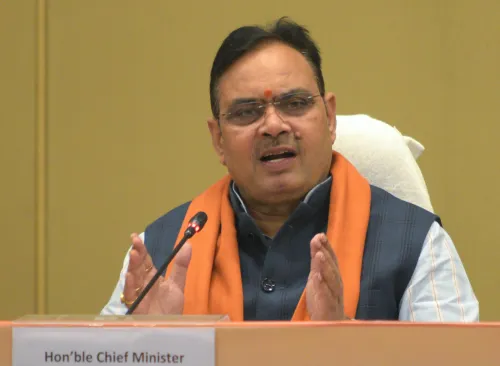
Marketing, branding, and direct sales — not just production. That is the sharper mandate Chief Minister Bhajanlal Sharma handed to Rajasthan's rural livelihood machinery on Saturday, 14 November 2026, as he chaired a review meeting of the Rajeevika and Dairy departments at the Chief Minister's Office in Jaipur.
Sharma declared that these two sectors are 'effective mediums of economic prosperity for rural women as well as local employment generation.' His instruction was pointed: rural women must be provided opportunities not only in product manufacturing but in marketing, branding aur bikri — marketing, branding, and sales — so they can achieve genuine economic self-reliance.
Why Rajeevika and dairy hold the lever
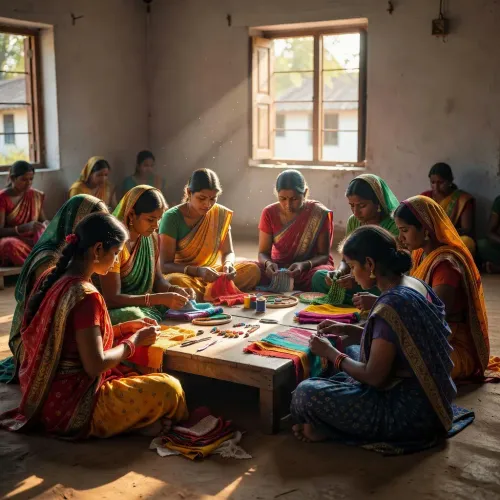
Rajeevika is Rajasthan's state-level implementation of the National Rural Livelihoods Mission (NRLM), launched nationally in 2011, which organises rural women into self-help groups (SHGs) and links them to credit, skill training, and livelihood support. Rajasthan's dairy cooperative network, deepened since Operation Flood in the 1970s, adds a parallel track — giving village-level women producers a structured supply chain into urban markets. Together, the two programmes touch hundreds of thousands of rural households across the state.
The challenge both sectors have historically faced is the same: women are often skilled at producing goods but locked out of the value chain beyond the farm gate or the SHG meeting. Saturday's directive targets precisely that gap — ensuring women can reach, and profit from, the consumer end of the chain.
Who was in the room
The meeting brought together Chief Secretary V. Srinivas, Additional Chief Secretary (Chief Minister's Office) Akhil Arora, and officials from the concerned departments. The presence of the Chief Secretary alongside CMO leadership signals that the follow-through will be tracked at the highest administrative level, not left to departmental discretion.
From review to real change — what the directive implies
Review meetings of this kind form part of Rajasthan's routine state-level monitoring cycle, but the specific emphasis on marketing and branding marks a step beyond the conventional focus on production targets and credit disbursal. Getting an SHG product branded, packaged, and placed in retail channels — or on e-commerce platforms — requires a different ecosystem of support: design assistance, quality certification, logistics, and market linkage. Whether budget allocations and programme modifications follow will be visible in the next state assembly session or budget cycle.
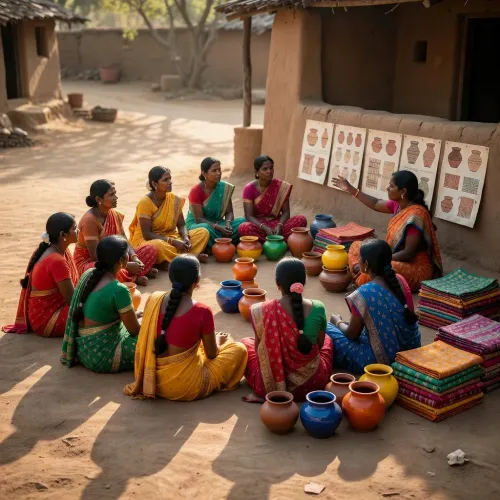
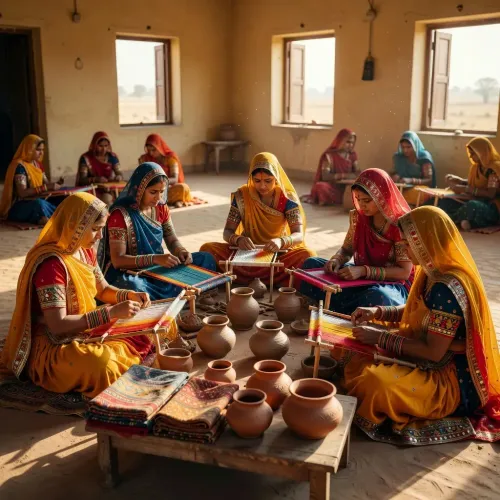
Rajasthan's rural women produce everything from dairy, handicrafts, and agri-processed goods to textiles — sectors where brand identity can multiply income several times over. If the CM's instruction translates into policy scaffolding, the state's SHGs could move from supplier to market player. That is the difference between supplementary income and genuine economic independence.
Point of View
Not just producer groups. For Rajasthan's BJP government, demonstrating visible progress on rural women's incomes serves both a policy and an electoral rationale in a state with a large agrarian base. The real test is whether this meeting converts into funded programme modifications or remains an aspirational directive.
NationPress
14 Nov 2026
Frequently Asked Questions
What is Rajeevika in Rajasthan?
Rajeevika is Rajasthan's state rural livelihoods mission that implements the national NRLM framework, organising rural women into self-help groups and connecting them to credit, skill development, and livelihood support.
What did CM Bhajanlal Sharma say about rural women in the review meeting?
CM Bhajanlal Sharma said the Rajeevika and Dairy sectors are effective means of economic prosperity and local employment for rural women, and directed officials to provide them opportunities in marketing, branding, and sales — not just product manufacturing.
Who attended the Rajeevika and Dairy review meeting on 14 November 2026?
Chief Secretary V. Srinivas, Additional Chief Secretary (CMO) Akhil Arora, and officials from the concerned departments attended the review meeting chaired by CM Bhajanlal Sharma.
How does the dairy sector in Rajasthan support rural women?
Rajasthan's dairy cooperative network, strengthened since Operation Flood in the 1970s, links village-level women producers to structured supply chains, providing a pathway to market access and supplementary income.
What is the significance of marketing support for rural self-help groups in Rajasthan?
Most SHGs are skilled at production but lack access to branding, packaging, and retail channels; marketing support can multiply their income and move them from subsistence producers to market participants.