CM Bhajanlal's Vijayadashami message: beyond Ravan, a vow
Synopsis
On Vijayadashami 2026, Rajasthan CM Bhajanlal Sharma called on citizens to go beyond commemorating Ravana's defeat and instead pledge to eradicate the social ills still prevalent in society — framing the festival as a moment of collective moral resolve.
Key Takeaways
Bhajanlal Sharma , Rajasthan's BJP Chief Minister since December 2023 , shared a Vijayadashami message on 21 October 2026 .
The message reframes Dussehra: not just a celebration of Ravana's killing, but a pledge to eliminate contemporary social evils and 'kuraities'.
The post was tagged #आपणो_अग्रणी_राजस्थान — the Rajasthan government's 'Our Leading Rajasthan' branding.
No specific new scheme or policy was announced; the statement is a cultural and moral appeal aligned with festival outreach.
Indian state chief ministers routinely issue such messages on major Hindu festivals, connecting ancient mythology to present-day civic values.
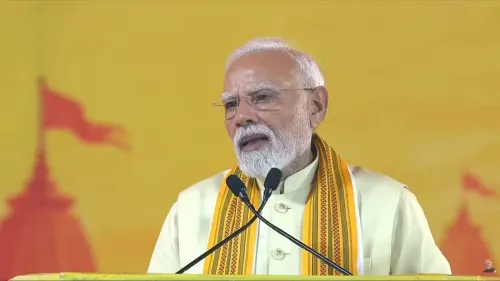
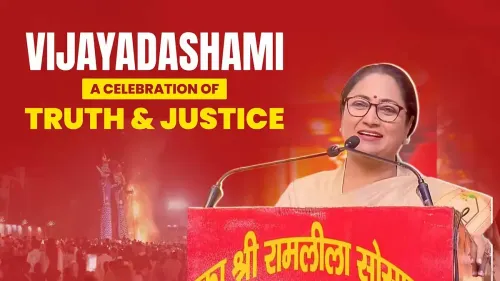
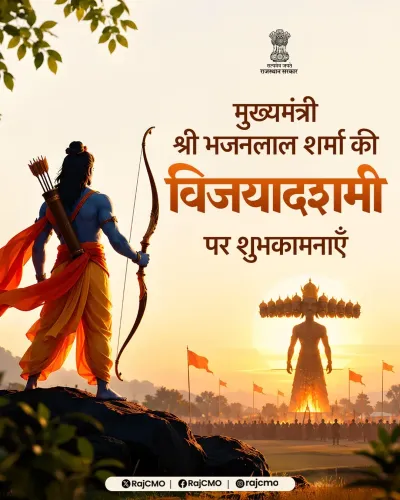
On the morning of Vijayadashami 2026, the Chief Minister's Office of Rajasthan delivered a message that pushed past the ritual and asked something harder — not just to remember the defeat of Ravana, but to reckon with the evils still walking among us.
The post, shared on Wednesday, 21 October 2026, carried Chief Minister Bhajanlal Sharma's voice: 'Vijayadashami ka parv keval Ravan vadh ka smaran karne ka avsar nahi' — 'The festival of Vijayadashami is not merely an occasion to recall the slaying of Ravana, but also a festival of pledging to eliminate the evils and social ills prevalent in society.' The message was tagged with the hashtag #आपणो_अग्रणी_राजस्थान ('Our Leading Rajasthan'), the Rajasthan government's branding phrase for state progress.
Dussehra's dual meaning in Indian public life
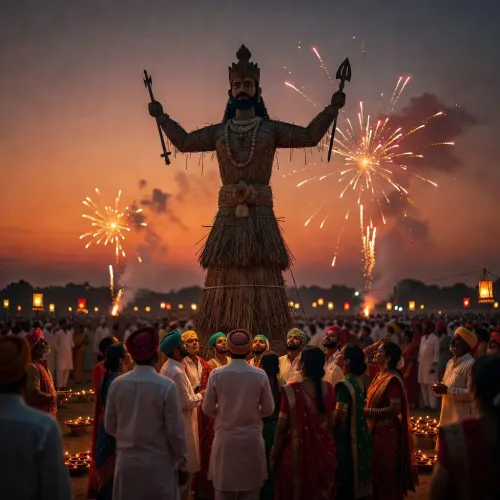
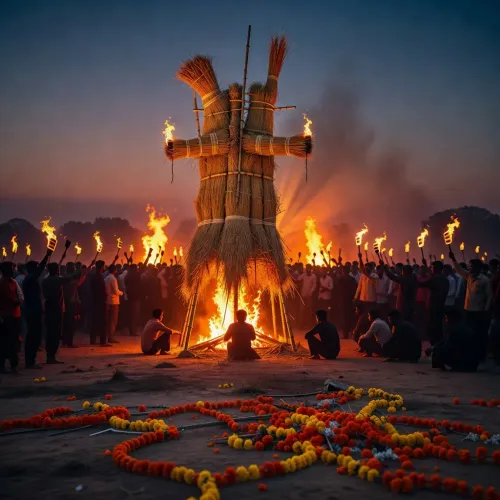
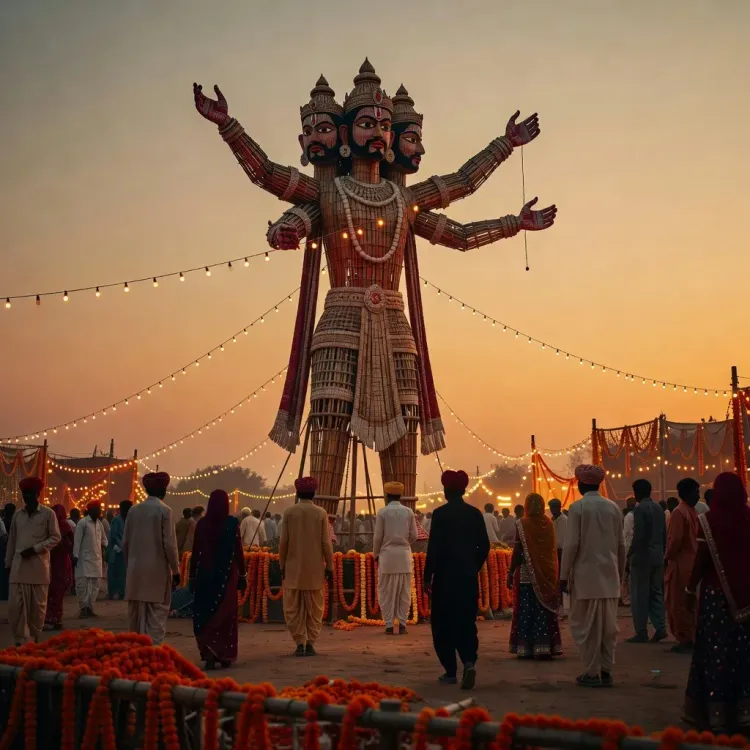
Vijayadashami — widely known as Dussehra — marks the victory of Lord Ram over the demon king Ravana, celebrated each year with the symbolic burning of Ravana effigies across the country. For Indian political leaders, the festival has long served as a natural pulpit: the mythology of good over evil maps cleanly onto calls for social reform, integrity in public life, and the eradication of practices that hold communities back.
Bhajanlal Sharma, who became Chief Minister of Rajasthan in December 2023 representing the Bharatiya Janata Party, is the latest in a long line of state leaders to use the occasion this way. The framing is deliberate — rooting a contemporary civic appeal in a story every listener already knows and trusts.
What 'eliminating social ills' means in Rajasthan's context
The message does not name specific evils or announce any new scheme — it is, by design, an invocation rather than a policy announcement. That restraint is itself a choice. By leaving the 'kuraities' (social ills) unnamed, the statement invites every listener to project their own version of what needs to change: casteism, corruption, gender violence, superstition, or any of the persistent inequities the state still wrestles with.
Rajasthan, India's largest state by area, carries deep social contrasts — strong cultural heritage alongside stubborn indicators on child marriage, female literacy, and rural poverty. A Dussehra message asking citizens to 'pledge' against social ills lands in that specific landscape, even if it does not spell it out.
The festival season now moves toward Diwali, and the Rajasthan government's cultural outreach is expected to continue. Whether today's moral call finds an echo in concrete policy steps will be the measure that matters most.
Point of View
Invoking Ram's victory over Ravana carries additional ideological weight, tying the party's Hindutva heritage to everyday governance messaging. The 'pledge to end social ills' framing is broad enough to be uncontroversial yet pointed enough to signal intent. Whether this seasonal rhetoric translates into measurable social policy — on gender, caste, or rural welfare — remains the question that will define his term.
NationPress
21 Oct 2026
Frequently Asked Questions
What did Rajasthan CM Bhajanlal Sharma say on Vijayadashami 2026?
He said Vijayadashami is not only an occasion to remember the slaying of Ravana, but also a time to pledge to eliminate social evils and 'kuraities' (harmful social practices) from society.
What is the significance of Vijayadashami in India?
Vijayadashami, or Dussehra, marks the victory of Lord Ram over the demon king Ravana and is celebrated across India with the burning of Ravana effigies, symbolising the triumph of good over evil.
Who is Bhajanlal Sharma?
Bhajanlal Sharma is the Chief Minister of Rajasthan representing the Bharatiya Janata Party. He has been in office since December 2023.
What does #आपणो_अग्रणी_राजस्थान mean?
It is a Hindi-Rajasthani hashtag meaning 'Our Leading Rajasthan,' used by the Rajasthan government as a branding phrase for state development and progress initiatives.
Did the Rajasthan CM announce any new scheme on Dussehra 2026?
No. The Vijayadashami message from the Rajasthan CMO was a cultural and moral appeal urging citizens to pledge against social ills. No new government scheme or policy was announced.