CM Bhupendra Patel attends Vishwa Shanti Mahayagya in Vadnagar
Synopsis
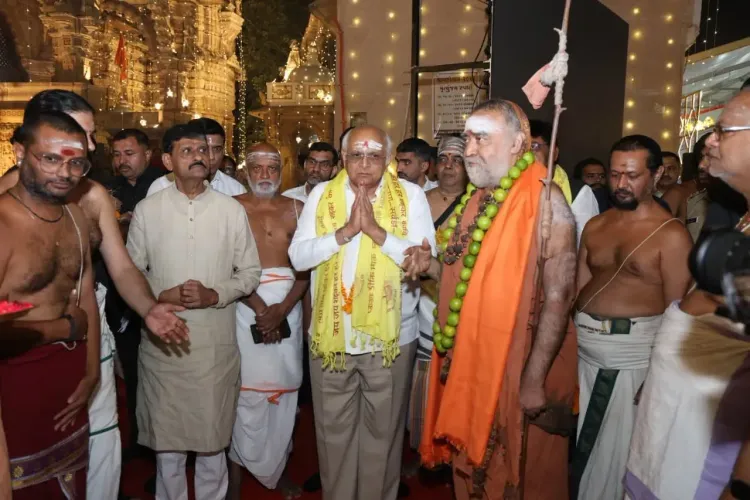
Gujarat Chief Minister Bhupendra Patel joined the Vishwa Shanti Mahayagya in Vadnagar on November 16, received blessings from Jagadguru Shankaracharya Shankar Vijayendra Saraswati of the Kanchi Kamakoti Peeth, and offered prayers at the historic Hatkeshwar Mahadev temple for national peace and prosperity.
Key Takeaways
Gujarat CM Bhupendra Patel attended the Vishwa Shanti Mahayagya at Vadnagar on November 16, 2026 .
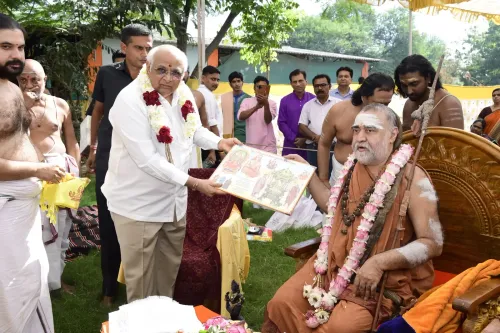
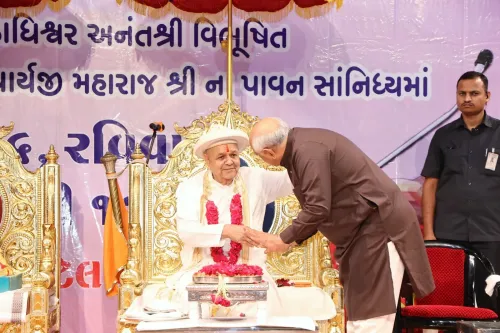
He received blessings from Jagadguru Shankaracharya Shankar Vijayendra Saraswati Swamiji of the Kanchi Kamakoti Peeth , Kanchipuram.
Patel described his dialogue with the Shankaracharya, held amid Vedic chanting, as 'deeply inspiring'.
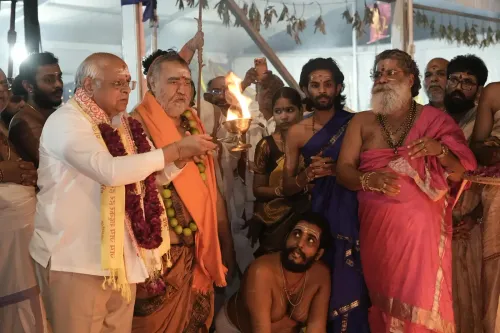
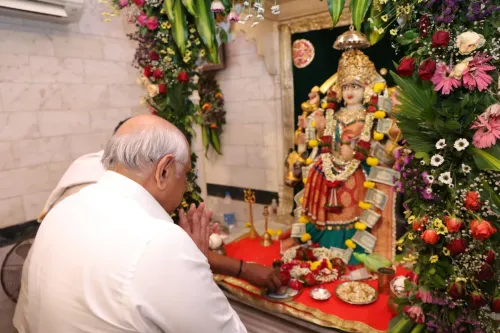
He performed pujan-archan at the Hatkeshwar Mahadev temple , Vadnagar's presiding Shiva deity.
Vadnagar in Mehsana district is the birthplace of Prime Minister Narendra Modi , lending the event heightened national visibility.
Patel prayed for the happiness, peace, and prosperity of all citizens of India.
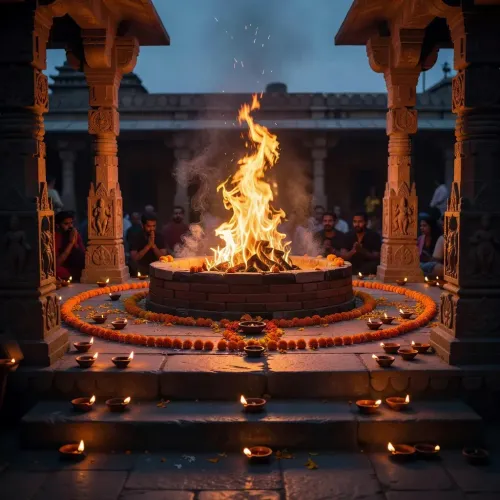
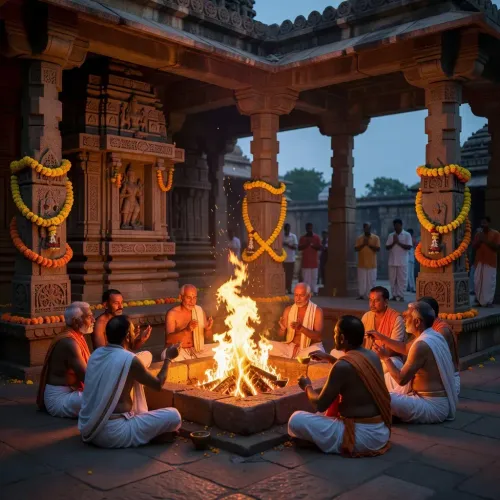
At the sacred soil of Vadnagar, Gujarat Chief Minister Bhupendra Patel stepped into a moment of rare spiritual significance on Monday, November 16, 2026 — joining the Vishwa Shanti Mahayagya (World Peace Grand Fire Ritual) organised for the welfare of all humanity.
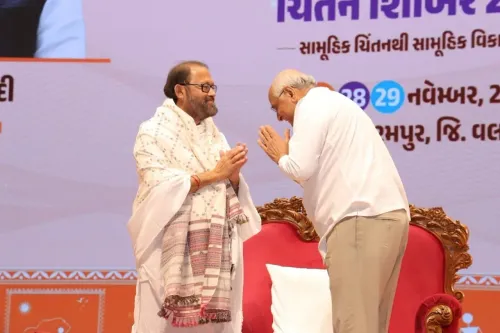
Patel received the blessings of Jagadguru Shankaracharya Shri Shankar Vijayendra Saraswati Swamiji, the Peethadhipati of the revered Moolamanaya Sarvagnya Kanchi Kamakoti Peeth — one of the four cardinal Shankaracharya peeths established by Adi Shankara, based in Kanchipuram, Tamil Nadu. 'The dialogue with Pujya Shankaracharyaji amidst the sacred chanting of Vedic mantras was deeply inspiring,' Patel wrote on X.
Prayers at the ancient Hatkeshwar Mahadev temple
The Chief Minister also performed pujan-archan (ritual worship) at the Hatkeshwar Mahadev temple, the ancient Shiva shrine regarded as the presiding deity of Vadnagar. He offered prayers for the happiness, peace, and prosperity of all citizens of the country.
Patel concluded his message with a prayer that the blessings of the revered Shankaracharya may become a 'cause of the nation's nectar-like progress' — a phrase that blends devotion with the aspiration of national advancement.
Vadnagar: a town that carries national weight
Vadnagar, located in Mehsana district, Gujarat, is one of India's oldest continuously inhabited towns — and it carries towering national symbolism as the birthplace of Prime Minister Narendra Modi. That lineage gives every major public event held here an added layer of visibility. The Vishwa Shanti Mahayagya draws on that sacred geography: a yagna conducted for world peace at a site steeped in both ancient history and contemporary political memory.
The Kanchi Kamakoti Peeth commands immense spiritual authority across India, particularly in South India's Shaivite tradition. Its Shankaracharya's presence at a Gujarat event underscores the cross-regional, pan-Hindu character of the gathering — Vedic tradition travelling from Tamil Nadu's Kanchipuram to the banks of Vadnagar's heritage landscape.
Gujarat chief ministers have long maintained visible engagement with Hindu religious institutions, and such visits to Vedic rituals form a consistent thread in the state's political-cultural calendar. This one lands with particular weight given the Shankaracharya's stature and the symbolism of Vadnagar itself.
When a sitting chief minister prays for the nation's prosperity at a yagna attended by one of Hinduism's highest spiritual authorities, it is both a personal act of faith and a public statement. The question now: will the Shankaracharya's Gujarat visit extend to other cultural or religious programmes across the state?
Point of View
Visible engagement with Hindu religious institutions and Vedic traditions as a form of cultural governance. Choosing Vadnagar — the Prime Minister's birthplace — as the site amplifies the symbolic weight of the event far beyond a routine ceremonial visit. The presence of the Kanchi Kamakoti Peeth's Shankaracharya signals a pan-India spiritual convening rather than a local affair, lending the event cross-regional prestige. Together, these elements reflect how state leadership increasingly blends ritual participation with public messaging around national unity and heritage.
NationPress
16 Nov 2026
Frequently Asked Questions
What is the Vishwa Shanti Mahayagya in Vadnagar?
The Vishwa Shanti Mahayagya is a large-scale Vedic fire ritual (yagna) organised at Vadnagar, Gujarat, for the welfare of all humanity and world peace. Gujarat CM Bhupendra Patel attended the event on November 16, 2026.
Who is Shankaracharya Shankar Vijayendra Saraswati?
Shankar Vijayendra Saraswati Swamiji is the current Jagadguru Shankaracharya and Peethadhipati of the Kanchi Kamakoti Peeth, one of the four cardinal Shankaracharya maths established by Adi Shankara, based in Kanchipuram, Tamil Nadu.
Why is Vadnagar significant?
Vadnagar is an ancient town in Mehsana district, Gujarat, and is the birthplace of Prime Minister Narendra Modi. It is also home to the historic Hatkeshwar Mahadev temple, regarded as the town's presiding deity.
What is the Kanchi Kamakoti Peeth?
The Kanchi Kamakoti Peeth is one of the four cardinal Shankaracharya peeths established by Adi Shankara, located in Kanchipuram, Tamil Nadu. It is one of the most revered spiritual institutions in Hinduism.
What did CM Bhupendra Patel do at Hatkeshwar Mahadev temple?
CM Patel performed pujan-archan (ritual worship) at the Hatkeshwar Mahadev temple in Vadnagar and offered prayers for the happiness, peace, and prosperity of all citizens of India.