CM Bhupendra Patel backs Amit Shah's drug-free India push by 2029
Synopsis
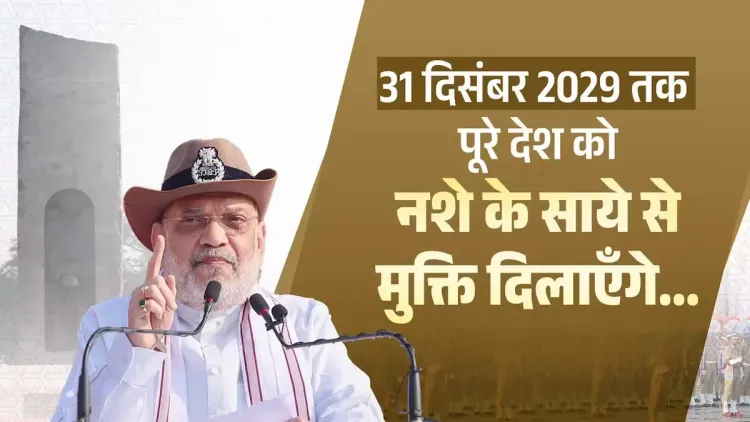
Gujarat CM Bhupendra Patel has backed Union Home Minister Amit Shah's publicly stated goal of making India completely drug-free by December 31, 2029, calling for a mass movement rooted in youth welfare, national security, and social strength.
Key Takeaways
Gujarat CM Bhupendra Patel amplified Amit Shah 's call on October 21, 2026 to make India drug-free by December 31, 2029 .
The government has framed the anti-drug drive as a ' jan andolan ' — a mass people's movement — not merely an enforcement exercise.
The campaign builds on the Nasha Mukt Bharat Abhiyan , launched in 2020 by the Ministry of Social Justice and Empowerment.
The Ministry of Home Affairs is leading enforcement coordination across central agencies and state police forces, with emphasis on border states and synthetic drugs.
Gujarat 's long Arabian Sea coastline makes it a critical frontline state in the anti-narcotics effort.
State governments will face periodic MHA progress reviews against the new 2029 national target.
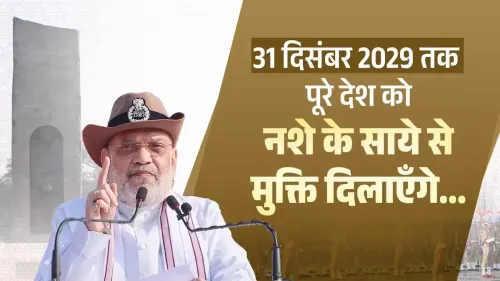
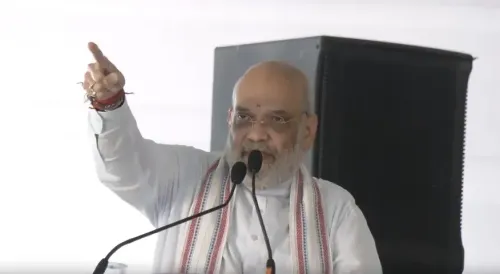
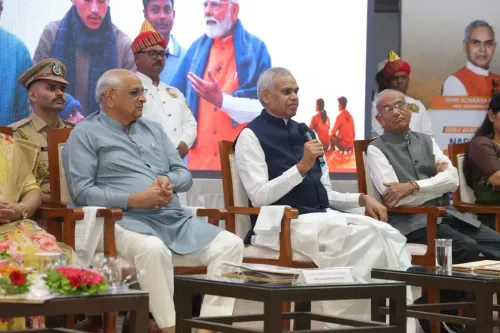
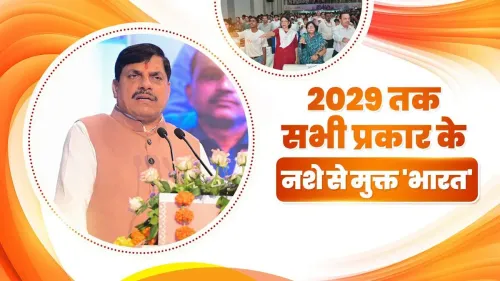
A decisive battle against narcotics has a new public deadline. Gujarat Chief Minister Bhupendra Patel on Wednesday, October 21, 2026, amplified Union Home Minister Amit Shah's call to make India completely drug-free by December 31, 2029 — framing the mission as nothing less than a people's movement for the nation's future.
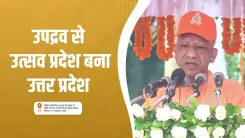
Posting in Hindi under the hashtag #DrugsFreeIndia, CM Patel echoed Shah's directive: '31 दिसंबर 2029 तक भारत को पूरी तरह ड्रग्स मुक्त बनाना है' ('India must be made completely free of drugs by December 31, 2029'). He stressed that the government is 'fully committed' to turning this campaign into a jan andolan — a mass social movement — in the interest of 'a bright future for the younger generation, national security, and a strong society.'
Nasha Mukt Bharat: from awareness drive to enforcement deadline
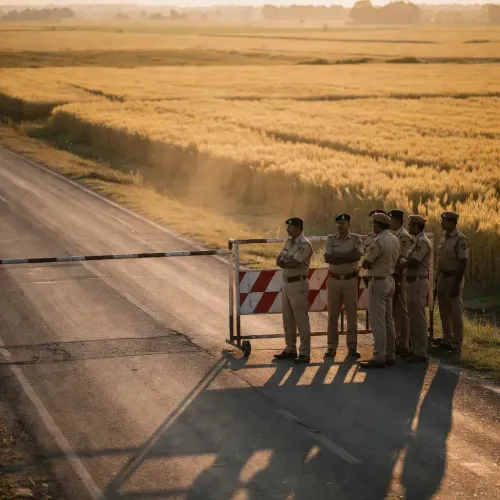
The campaign builds on institutional groundwork already laid. The Nasha Mukt Bharat Abhiyan, launched in 2020 by the Ministry of Social Justice and Empowerment, set in motion a nationwide framework combining community awareness, demand reduction, and rehabilitation. What has shifted now is the register — from a broad awareness drive to a named, time-bound national target, with the Ministry of Home Affairs placing its weight squarely behind enforcement. Central agencies, state police forces, and border-security units have been operating in a tightening coordinated grid, with particular focus on border states and the surge in synthetic drugs. Gujarat, with its long coastline on the Arabian Sea, has historically been on the front line of drug smuggling routes — making CM Patel's active endorsement of the drive both symbolic and operationally significant.Why the 2029 target puts states on the clock
A hard deadline changes the political calculus. State governments will now be expected to produce measurable progress in interdiction rates, seizure figures, and rehabilitation enrolments ahead of periodic Ministry of Home Affairs reviews. For Gujarat, that means intensified coastal surveillance, faster prosecution of narcotics cases, and expanded de-addiction infrastructure. The framing of the campaign as a 'jan andolan' is also a deliberate political choice — it draws on the vocabulary of citizen-led transformation rather than top-down policing, signalling that the Centre wants civil society and local administration pulling in the same direction as enforcement agencies. India's drug challenge is not a single headline. It is a slow-burning crisis — from Punjab's opioid belt to the methamphetamine corridors of the Northeast — and a 2029 finish line, ambitious as it sounds, is now the government's stated benchmark. Whether state-level action plans can match the ambition of that deadline is the question every Home Ministry review will have to answer.Point of View
Broadening responsibility beyond law enforcement to civil society. For Gujarat, the endorsement is not merely rhetorical: the state sits astride key drug-trafficking sea routes, and its compliance with MHA timelines will be closely watched. The real test will be whether periodic reviews produce transparent data on seizures, convictions, and rehabilitation — or remain performative milestones.
NationPress
21 Oct 2026
Frequently Asked Questions
What is India's drug-free deadline announced by Amit Shah?
Union Home Minister Amit Shah has called for India to be completely free of drugs by December 31, 2029 , a goal Gujarat CM Bhupendra Patel publicly endorsed on October 21, 2026.
What is the Nasha Mukt Bharat Abhiyan?
The Nasha Mukt Bharat Abhiyan is a nationwide anti-drug campaign launched in 2020 by the Ministry of Social Justice and Empowerment, focused on community awareness, demand reduction, and rehabilitation across India.
Why is Gujarat important in India's anti-drug campaign?
Gujarat has a long coastline on the Arabian Sea that has historically served as a drug-smuggling entry point, making the state a frontline zone in India's narcotics interdiction efforts.
What does 'jan andolan' mean in the context of the anti-drug drive?
' Jan andolan ' means a people's mass movement. The government is using the term to signal that fighting drug abuse requires broad citizen participation alongside law enforcement — not just top-down policing.
Who oversees the drug-free India campaign at the national level?
The Ministry of Home Affairs , led by Amit Shah , is coordinating enforcement across central agencies and state police, and is expected to conduct periodic progress reviews against the 2029 national target.