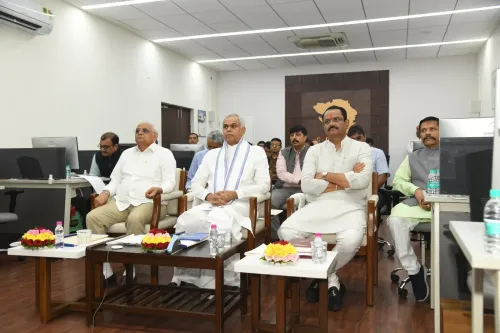
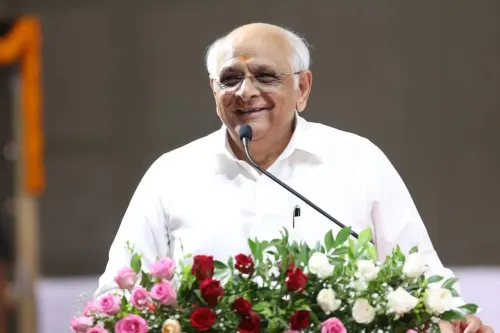
CM Bhupendra Patel Backs Millets Push After PM Modi's Mann Ki Baat Praise
Synopsis
Gujarat CM Bhupendra Patel on 27 September 2026 amplified PM Modi's Mann Ki Baat praise for state millet and traditional food drives during Poshan Maah, reaffirming Gujarat's commitment to eliminating malnutrition through affordable, nutrient-rich grains.
Key Takeaways
Gujarat CM Bhupendra Patel posted on 27 September 2026 during Poshan Maah (National Nutrition Month).
PM Narendra Modi praised Gujarat and multiple other states in the day's Mann Ki Baat episode for promoting millets and local nutritious foods.
India's POSHAN Abhiyaan , launched in 2018 , targets reduction of stunting, wasting, and anaemia — particularly in women and children.
The United Nations declared 2023 the International Year of Millets following India's proposal, boosting global and domestic millet momentum.
States are being encouraged to integrate millets into midday meals and anganwadi nutrition programmes as an affordable, climate-resilient food source.
Patel called on citizens to include millets in their daily diets as part of PM Modi's 'healthy India' vision.
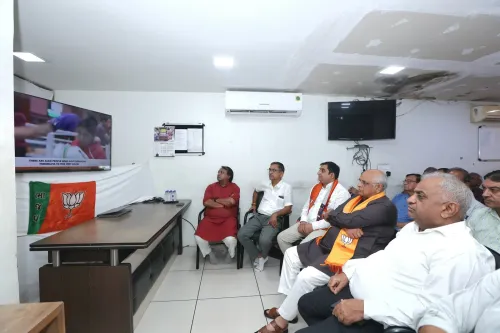
Millets are moving from village fields to national policy — and Gujarat Chief Minister Bhupendra Patel wants every household to notice. On Sunday, 27 September 2026, during Poshan Maah, Patel amplified Prime Minister Narendra Modi's appreciation for state-level millet and traditional nutrition drives, calling the ancient grain a decisive weapon in India's war against malnutrition.
In his post, Patel wrote: 'Kuposhan ke viruddh jaari hamaari ladaai mein millets ek behad mahatvapoorn bhumika nibha rahe hain' — 'In our ongoing fight against malnutrition, millets are playing an extremely important role.' He noted that PM Modi had, in the day's Mann Ki Baat episode, specifically praised the efforts of Gujarat and several other states for promoting millets and locally sourced nutritious food during the nutrition month. Patel closed with a direct call to action: include millets in daily diets and help realise the Prime Minister's vision of a 'healthy India'.
Mann Ki Baat as a policy megaphone for Poshan Maah
Poshan Maah — National Nutrition Month — is observed every September and anchors state and district governments around themed nutrition campaigns. This year's spotlight on millets and traditional foods reflects a deliberate effort to tie dietary habits to the government's broader POSHAN Abhiyaan, the National Nutrition Mission launched in 2018 to systematically reduce stunting, wasting, and anaemia — especially in women and children. PM Modi's Mann Ki Baat, his monthly radio address that reaches tens of millions of listeners, has repeatedly served as a platform to translate national schemes into household-level behaviour change.
India's millet moment — from a UN push to the dinner plate
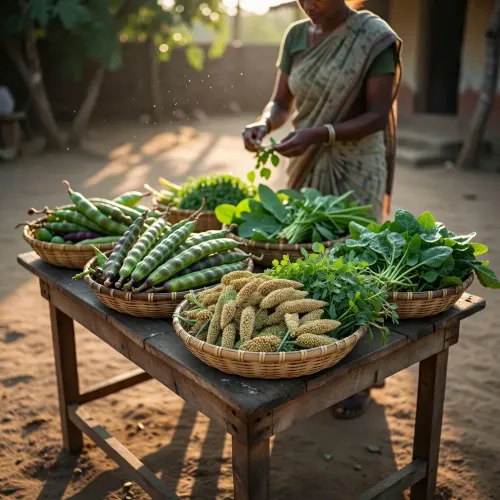
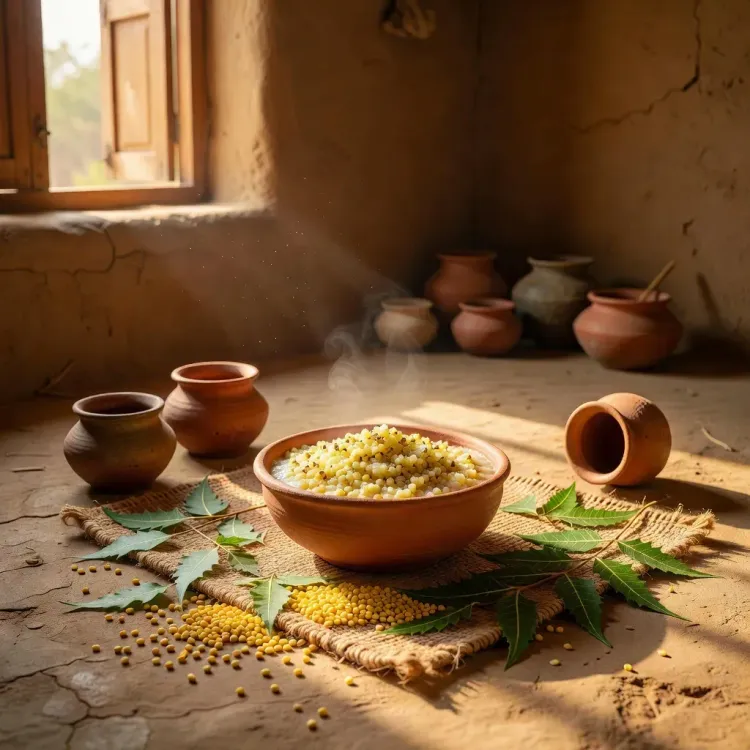
The millet story carries significant international weight. India proposed — and the United Nations declared — 2023 the International Year of Millets, catapulting crops like bajra, jowar, ragi, and foxtail millet onto global menus. Three years on, that momentum is being channelled into grassroots nutrition programmes. States are being encouraged to embed millets in midday meal schemes and anganwadi supplementary nutrition, targeting the children and pregnant women who bear the heaviest burden of malnutrition.
The logic is hard to argue with: millets are drought-resilient, cheaper per nutrient than polished rice or wheat, rich in iron, calcium, and fibre, and deeply rooted in India's culinary traditions. Bringing them back to the plate is simultaneously a public-health intervention and a lifeline for the small and marginal farmers who grow them.
Gujarat's role in the national nutrition frame
For Chief Minister Patel, a shout-out on Mann Ki Baat is both an acknowledgement and a mandate. Gujarat's inclusion in PM Modi's appreciation signals that state-level implementation — in anganwadis, health camps, and community kitchens — is being monitored at the national level. Patel's post reinforces Gujarat's commitment to the #PoshanMaah agenda and signals continuity in the BJP's push to align state governance with Union government nutrition targets.
With national nutritional surveys and POSHAN trackers continuing to measure outcomes, the real scorecard on whether millets make a dent in malnutrition numbers is still being written — and the states on Modi's list now have every reason to make sure the data moves in the right direction.
Point of View
Nudges laggards, and keeps Poshan Abhiyaan politically visible without a fresh budget announcement. For CM Patel, the mention functions as both validation and accountability, tying Gujarat's governance record directly to a high-profile national health target. The millet push also sits at the intersection of nutrition policy and farm economics, giving the BJP a two-front story — public health and farmer welfare — heading into the next cycle of state surveys. Whether headline momentum translates into measurable declines in malnutrition will depend on consistent district-level delivery, which is where most nutrition programmes have historically struggled.
NationPress
27 Sept 2026
Frequently Asked Questions
What is Poshan Maah and when is it observed?
Poshan Maah, or National Nutrition Month, is observed every September across India. It mobilises state and district governments to run targeted campaigns on maternal and child nutrition, dietary diversity, and health awareness under the POSHAN Abhiyaan framework.
Why are millets important for fighting malnutrition in India?
Millets such as bajra, jowar, and ragi are rich in iron, calcium, and fibre, and are significantly cheaper per nutrient than polished rice or wheat. They are drought-resilient, culturally familiar, and well-suited for inclusion in government nutrition programmes targeting women and children.
What is POSHAN Abhiyaan?
POSHAN Abhiyaan is India's National Nutrition Mission, launched in 2018. It sets targets to reduce stunting, wasting, low birth weight, and anaemia — especially among children under five and pregnant or lactating women — through coordinated state-level interventions.
What did PM Modi say about millets in Mann Ki Baat on 27 September 2026?
According to CM Bhupendra Patel's post, PM Modi praised Gujarat and several other states during the day's Mann Ki Baat episode for their efforts to promote millets and locally sourced nutritious food during Poshan Maah. The specific remarks could not be independently verified.
What was India's role in the International Year of Millets?
India proposed the International Year of Millets to the United Nations, which subsequently declared 2023 as that year. The initiative elevated millets on global food agendas and accelerated domestic programmes to revive millet cultivation and consumption.