CM Bhupendra Patel Champions Patan's Heritage and Patola Craft
Synopsis
Gujarat CM Bhupendra Patel spotlighted Patan's 11th-century UNESCO-listed stepwell Rani Ki Vav and the GI-tagged Patola double-ikat silk tradition on 17 October 2026, thanking Union Minister Piyush Goyal for promoting the legacy and reaffirming the state's commitment to global heritage outreach.
Key Takeaways
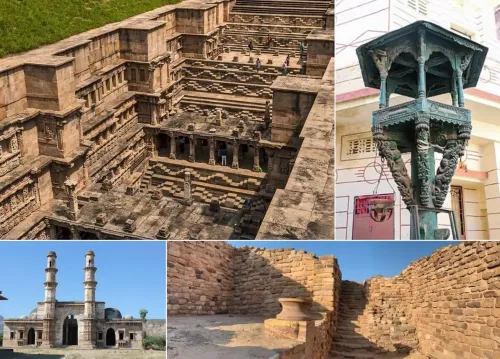
Rani Ki Vav , Patan's 11th-century stepwell, has been a UNESCO World Heritage Site since 2014 and features over 500 principal sculptures .
Patola double-ikat silk weaving received Geographical Indication registration in 2007 , legally protecting the craft from imitation.
A single Patola saree can take up to one year to weave and commands prices running into the lakhs, with strong demand in Japan, Southeast Asia, and Europe .
Union Minister Piyush Goyal was credited by CM Patel for highlighting Patan's artistic and cultural legacy on a public platform.
Gujarat consistently links heritage sites and GI crafts to tourism and export promotion as part of a broader soft-power strategy.
CM Patel pledged continued state commitment to preserving Patan's treasures and elevating them on the global stage .
From a UNESCO World Heritage stepwell to a silk tradition that takes months to weave a single saree — Patan, the ancient city in northern Gujarat, carries two of India's most extraordinary cultural assets. Gujarat Chief Minister Bhupendra Patel on Saturday, 17 October 2026, amplified that legacy on X, calling Patan 'a magnificent symbol of our heritage' and pledging to take its treasures to the global stage.
Rani Ki Vav: The Stepwell That Stunned the World
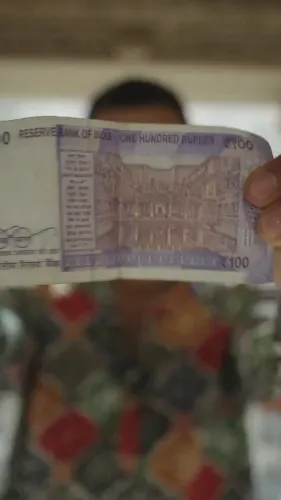
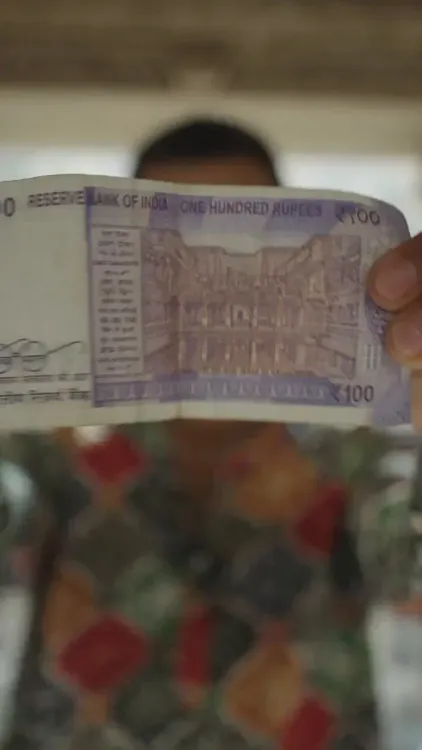
Rani Ki Vav, the intricately carved 11th-century stepwell at the heart of Patan, was inscribed on the UNESCO World Heritage List in 2014 — recognised under cultural criteria for the exceptional quality of its architecture and sculpture. Built during the Solanki dynasty, the stepwell descends seven levels and houses more than 500 principal sculptures, making it one of the finest examples of subterranean water architecture anywhere in the world. Its image now graces the reverse of India's ₹100 note, a quiet but powerful statement about how deeply the monument is woven into national identity.
Patola: Every Thread a Declaration of Craft
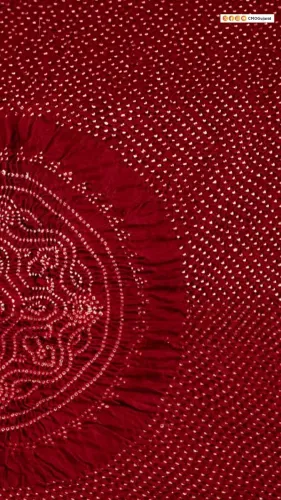
If Rani Ki Vav is Patan's stone story, Patola is its living one. The double-ikat silk saree — where both warp and weft threads are resist-dyed before weaving, demanding extraordinary precision — is produced almost exclusively in Patan by a handful of families who have guarded the technique across generations. Patola received Geographical Indication registration in 2007, giving it legal protection similar to Champagne or Darjeeling tea. A single Patola saree can take anywhere from six months to a year to complete, and prices routinely run into the lakhs. The craft is not just textile; it is mathematics, patience, and memory made fabric.
CM Patel's post specifically thanked Union Minister Piyush Goyal — who heads the Ministry of Commerce and Industry and has consistently championed GI-tagged Indian products in international trade forums — for 'beautifully highlighting this rich artistic and cultural legacy.' While the specific platform or event where Goyal spotlighted Patola could not be independently confirmed, his ministry's broader mandate of promoting Indian handicrafts in export markets aligns squarely with the gesture.
Gujarat's Soft-Power Play: Heritage Meets Global Market
The exchange between the Chief Minister and a senior Union Minister is not incidental. Gujarat has long pursued a dual strategy: protecting heritage sites as tourism anchors while simultaneously positioning GI-tagged crafts as export products and soft-power instruments. Patola sarees have found buyers in Japan, Southeast Asia, and Europe, where the double-ikat technique commands serious collector interest. State governments and the Centre have periodically showcased such crafts at international trade fairs — and Patan's artisans stand to gain directly each time that visibility rises.
CM Patel's commitment to 'preserving these treasures and taking them to the global stage' signals continued state-level investment in heritage tourism infrastructure and artisan support — watch for Patola weavers' participation in upcoming international exhibitions and possible new tourism schemes centred on Patan's twin draws.
Patan has waited eleven centuries to be fully discovered. At this pace, the world may not have to wait much longer.
Point of View
The other a living craft that drives export revenue and artisan livelihoods. By thanking a senior Commerce Minister publicly, Patel signals a Centre-state alignment on positioning GI-tagged crafts as trade assets, not just cultural curiosities. This kind of soft-power co-branding — heritage site plus craft plus ministerial amplification — has become a template for states competing for inbound tourism and international textile market share.
NationPress
17 Oct 2026
Frequently Asked Questions
Why is Rani Ki Vav famous?
Rani Ki Vav is an 11th-century stepwell in Patan, Gujarat, renowned for its seven descending levels and over 500 principal sculptures . It was inscribed as a UNESCO World Heritage Site in 2014 and its image appears on India's ₹100 note .
What is Patola weaving and why is it special?
Patola is a double-ikat silk saree craft unique to Patan, Gujarat, where both warp and weft threads are resist-dyed before weaving — a painstaking process that can take up to a year per saree. It received Geographical Indication protection in 2007 , placing it among India's most legally protected textile traditions.
What did CM Bhupendra Patel say about Patan?
CM Bhupendra Patel called Patan 'a magnificent symbol of our heritage,' praised the Patola craft as weaving together Gujarat's culture and artisan dedication, thanked Union Minister Piyush Goyal for spotlighting the legacy, and pledged to take these treasures to the global stage.
What is Piyush Goyal's role in promoting Indian handicrafts?
Piyush Goyal heads India's Ministry of Commerce and Industry and has actively championed GI-tagged Indian products and handicrafts in international trade forums, aligning with the Centre's broader soft-power and export-promotion agenda.
How does Gujarat promote its heritage and crafts internationally?
Gujarat links UNESCO-listed monuments like Rani Ki Vav to tourism promotion while positioning GI-tagged crafts like Patola as export products, showcasing them at international trade fairs and leveraging ministerial platforms to build global visibility for Patan's artisans.