CM Bhupendra Patel Dines with Tribal Family in Garbada Village
Synopsis
Gujarat Chief Minister Bhupendra Patel dined with an Adivasi Tadvi family in Bhindol village, Garbada, on 18 November 2026, during the first night of a three-day tribal-area tour — eating traditional food on leaf plates and listening to villagers about local needs.
Key Takeaways
Gujarat CM Bhupendra Patel is on a three-day tour of the tribal region of Garbada, Dahod district .
On the first night, 18 November 2026 , he dined with an Adivasi Tadvi family in Bhindol village, Dhanpur , eating traditional food served on leaf plates.
He held open conversations with villagers about local life and community needs .
Patel confirmed he would spend the night in the village rather than a government facility.
Garbada is a predominantly Adivasi belt in Gujarat's eastern Dahod district , a region under sustained state developmental focus.
Any follow-up announcements on local needs or tribal welfare schemes from the tour are being watched.
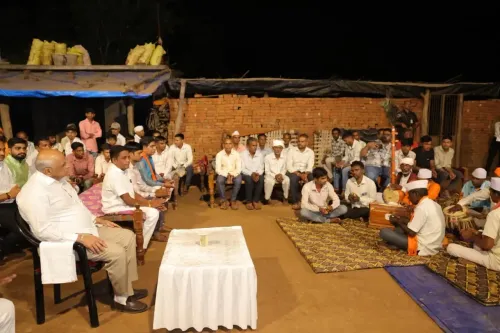
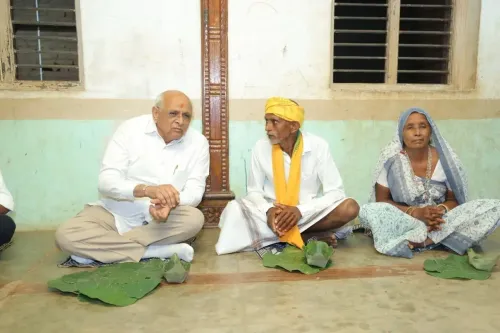
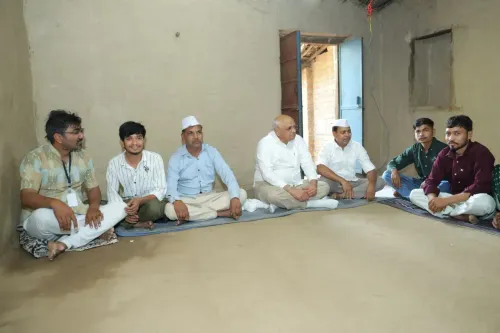
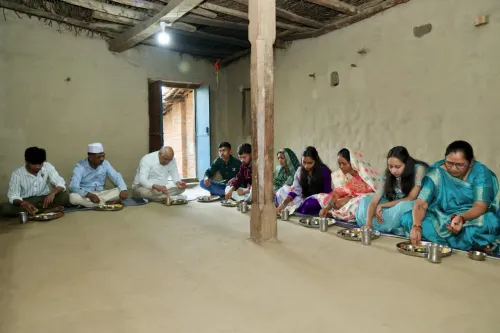
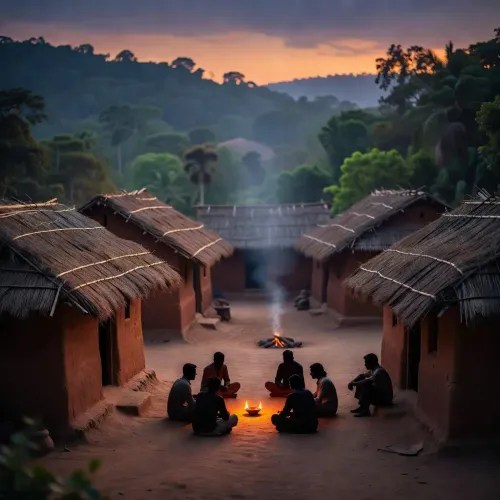
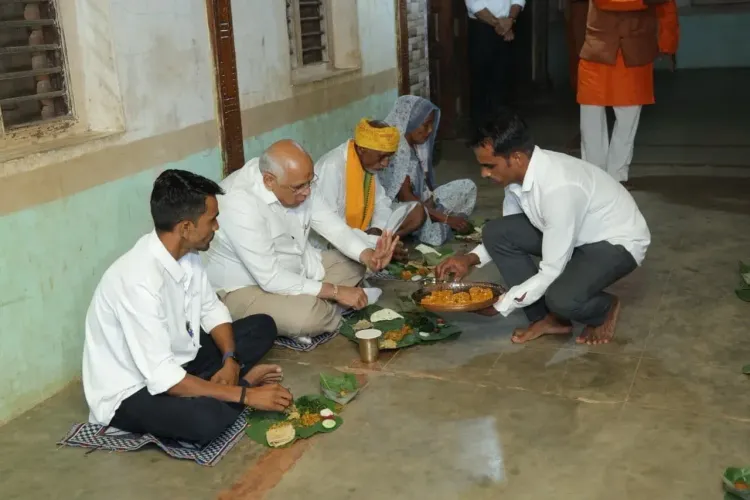
Sitting cross-legged on the floor, eating from leaf plates — Gujarat Chief Minister Bhupendra Patel spent the first night of a three-day tour of the tribal belt of Garbada not in a government guest house, but inside the home of an Adivasi Tadvi family in Bhindol village, Dhanpur, sharing a traditional meal and listening to what residents actually need.
Patel shared the moment on X on the evening of Wednesday, 18 November 2026, posting photographs of the meal and writing in Gujarati: 'Padiya Patarali ma Paramparik Adivasi bhojan no swad' — 'the taste of traditional Adivasi food on leaf plates'. He described the Tadvi family's warm hospitality and open conversations with villagers about village life and local needs, calling the trust and affection of ordinary citizens 'the greatest inspiration for public-service work.' He also confirmed he would spend the night in the village.
Why a Chief Minister Sleeps in Bhindol
Garbada is a predominantly Adivasi region in Dahod district, one of Gujarat's easternmost tribal districts that the state administration has kept under sustained developmental focus. Overnight village stays — where a senior political leader eats local food, sleeps in the community, and hears grievances without a filtered briefing — have become a recognisable governance tool across Indian states, allowing chief ministers to bypass the layers of officialdom that typically stand between a village and the capital.
For Patel, who took office in 2021 and has consistently emphasised direct public outreach as a governing style, the Bhindol stop fits an established pattern. The three-day itinerary through Garbada signals a structured field engagement rather than a symbolic drop-in.
Leaf Plates, Local Needs, and the Politics of Proximity
The image of a chief minister eating padia patarali — food served on dried-leaf plates, a staple of Adivasi hospitality — carries weight in India's political culture, where proximity to rural life is both a genuine governance method and a powerful symbolic act. What matters after the photographs, however, is what gets actioned: district-level development updates, infrastructure gaps flagged by villagers, or scheme delivery shortfalls that the tour may surface.
Two more days remain in the Garbada tour. Watch for any follow-up announcements on local infrastructure, tribal welfare schemes, or administrative responses tied to what residents shared over that meal in Bhindol.
Point of View
Which carries both electoral weight and genuine developmental gaps. The optics of eating from leaf plates are deliberate, but the governance substance depends entirely on whether conversations in Bhindol translate into measurable district-level action. After over five years in office, Patel's administration is at a stage where such tours are most credibly judged by their downstream outputs — scheme delivery, infrastructure gaps addressed — rather than the act of the visit itself.
NationPress
18 Nov 2026
Frequently Asked Questions
Where did Gujarat CM Bhupendra Patel stay during his Garbada tour?
On the first night of his three-day tour, Bhupendra Patel stayed in Bhindol village in the Dhanpur area of Garbada, sleeping at the home of an Adivasi Tadvi family.
What is Garbada and why is CM Patel visiting?
Garbada is a predominantly Adivasi region in Dahod district , Gujarat. Patel is conducting a three-day field visit to meet tribal communities, understand local needs, and engage directly with villagers.
What did CM Patel eat at the tribal village?
CM Patel ate traditional Adivasi food served on padia patarali — dried-leaf plates — at the home of a Tadvi family in Bhindol village, Dhanpur.
What is 'padia patarali' in Adivasi culture?
Padia patarali refers to food served on plates made from dried leaves, a traditional practice common in Adivasi communities across Gujarat and central India.
How long is Bhupendra Patel's Garbada tour?
CM Patel is on a three-day tour of the Garbada tribal area. The first overnight stay on 18 November 2026 was in Bhindol village.