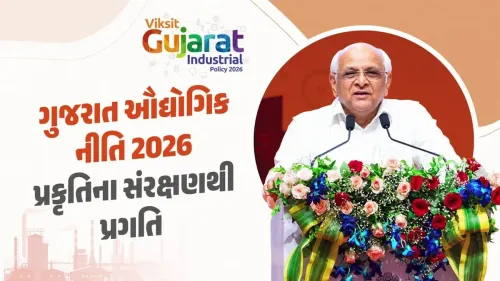
CM Bhupendra Patel Disburses Funds to Gujarat Urban Bodies
Synopsis
Gujarat CM Bhupendra Patel on August 11 disbursed development funds to state municipal corporations and municipalities, calling for green, clean, tech-enabled cities and invoking PM Modi's 2005 'Urban Development Year' legacy. Two coffee table books on Gujarat's urban journey and Vadnagar were also released.
Key Takeaways
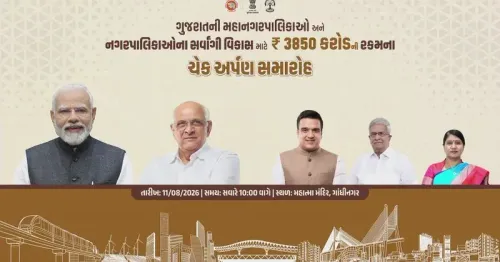
Gujarat CM Bhupendra Patel presided over a fund allocation event for all state municipal corporations and municipalities on August 11, 2026 .
He emphasised building green, clean, and well-equipped cities with technology-driven, transparent services for citizens.
The initiative traces its lineage to 2005 , when then Gujarat CM Narendra Modi declared the year as 'Urban Development Year' and strengthened municipal finances.
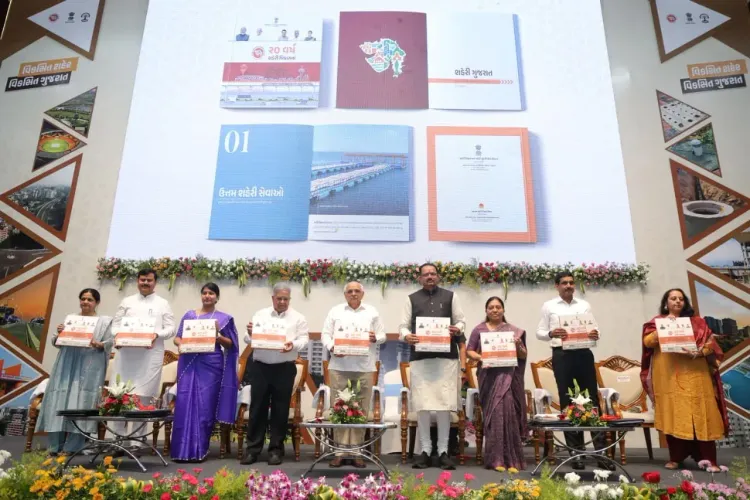
Two special coffee table books were released — one covering 20 years of Gujarat's urban development and another on the heritage of Vadnagar .
The focus on Ease of Living and citizen welfare remains the stated benchmark for service delivery across urban local bodies.
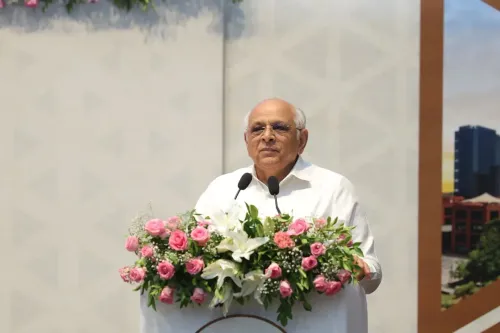
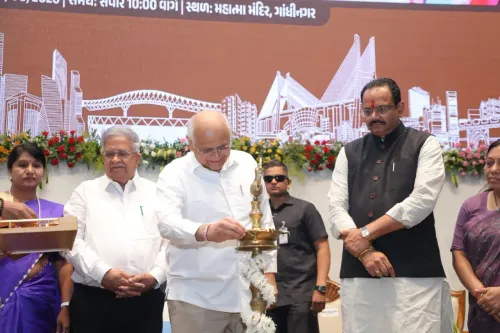
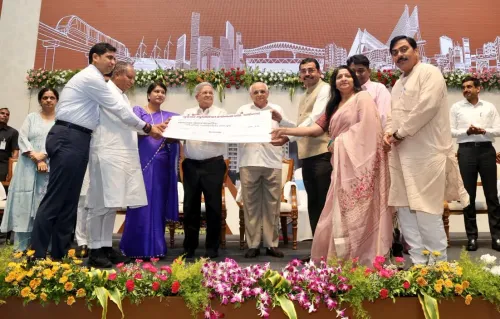
Two decades after Narendra Modi rewired Gujarat's urban finances as Chief Minister, the state is doubling down — this time with a fresh round of development fund allocations to every municipal corporation and municipality across Gujarat. Gujarat Chief Minister Bhupendra Patel presided over the disbursement event on Tuesday, August 11, 2026, framing it as a renewal of the state's commitment to citizen welfare.
Funds Flow to Cities, with a Green Mandate
Patel's message to the urban local bodies was pointed: build cities that are 'ગ્રીન, ક્લીન અને સુવિધાઓથી સુસજ્જ' — green, clean, and well-equipped with civic amenities. He stressed that government services must place the ordinary citizen's well-being first, and that technology must be leveraged to deliver transparent, efficient services that improve 'Ease of Living' for residents.
The allocation covers municipal corporations and municipalities across the state — the two-tier urban governance structure that collectively manages Gujarat's rapidly expanding cities and towns. The push toward green infrastructure and digital service delivery reflects a governance model the state has refined over twenty years.
The 2005 Blueprint That Started It All
The ideological and financial architecture for today's event was laid in 2005, when then Chief Minister Narendra Modi declared it Gujarat's 'Urban Development Year' — a decision that shored up municipal finances and set the template for citizen-centric urban governance. Patel explicitly invoked that legacy, positioning the current state government as the executor of a long-running vision rather than the author of a new one.
That continuity argument is central to the BJP's urban governance narrative in Gujarat: a two-decade arc of sustainable city-building, now entering a phase defined by technology-driven transparency and green infrastructure.
Vadnagar's Story and 20 Years of Urban Progress Documented
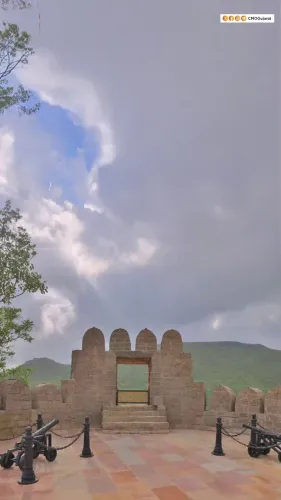
The event also saw the release of two special coffee table books — one tracing 20 years of Gujarat's urban development achievements, the other celebrating the heritage and glory of Vadnagar, the historically significant Gujarat town. The books serve as both a record of progress and a political statement: this is what sustained investment in urban infrastructure looks like.
With funds now in the hands of local bodies, the next test is execution — whether Gujarat's municipalities translate the allocation into completed projects that residents can see, use, and judge.
Point of View
The Gujarat government signals that urban development is a settled, long-term BJP policy identity in the state rather than a campaign-season promise. The dual coffee table book release — covering both 20 years of urban progress and Vadnagar — also carries symbolic weight, linking governance record to cultural pride. The real accountability test, however, will be how swiftly and visibly the allocated funds translate into on-ground infrastructure that urban residents can measure.
NationPress
11 Aug 2026
Frequently Asked Questions
What did Gujarat CM Bhupendra Patel announce for municipalities on August 11 2026?
CM Bhupendra Patel presided over a fund disbursement event for Gujarat's municipal corporations and municipalities on August 11, 2026, directing development funds toward green, clean, and technology-enabled city infrastructure.
What is Gujarat's 'Urban Development Year' and who declared it?
'Urban Development Year' was declared in 2005 by then Gujarat Chief Minister Narendra Modi to strengthen municipal finances and lay the foundation for sustainable urban growth in the state.
What coffee table books were released at the Gujarat urban development event?
Two coffee table books were released — one documenting 20 years of Gujarat's urban development achievements and another highlighting the heritage and significance of Vadnagar.
What does 'Ease of Living' mean in the context of Gujarat urban policy?
In Gujarat's urban governance framework, 'Ease of Living' refers to delivering transparent, technology-enabled government services that prioritise the daily welfare and convenience of ordinary citizens.
Which urban bodies received funds at the August 11 Gujarat event?
Municipal corporations and municipalities across Gujarat received development fund allocations at the event chaired by CM Bhupendra Patel.