CM Bhupendra Patel Hands Over ₹3,850 Cr to Gujarat Urban Bodies
Synopsis
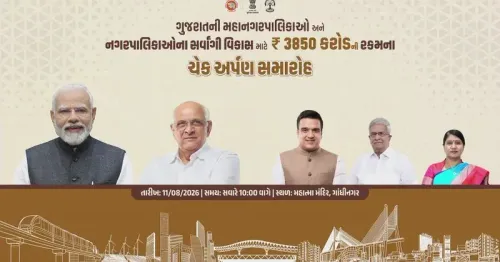
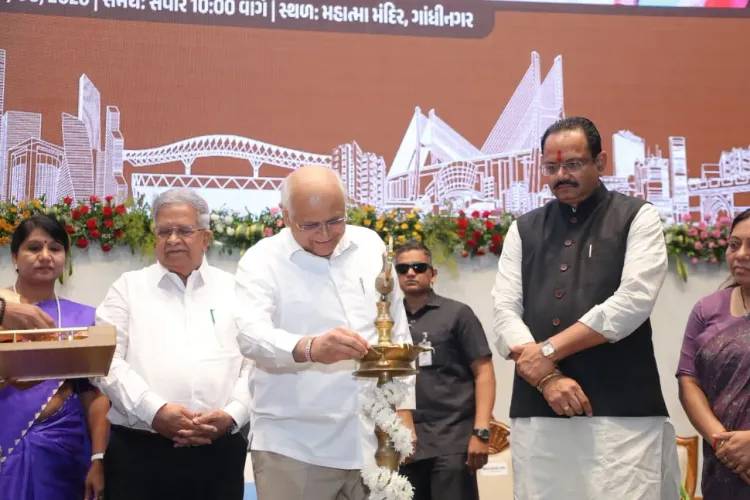
Chief Minister Bhupendra Patel disbursed ₹3,850 crore to Gujarat's urban local bodies at Mahatma Mandir, Gandhinagar on 11 August 2026 — ₹2,992 crore for municipal corporations and ₹858 crore for nagar palikas — to fund all-round civic development and improve ease of living.
Key Takeaways
₹3,850 crore in total was disbursed to Gujarat's urban local bodies on 11 August 2026 .
Municipal corporations received ₹2,992 crore ; nagar palikas received ₹858 crore .
The ceremony was held at Mahatma Mandir, Gandhinagar , presided over by CM Bhupendra Patel .
Urban Development Minister Kanubhai Desai , Agriculture Minister Jitubhai Vaghani , and MoS Darshanaben Vaghela were present.
Funds are earmarked for 'all-round development works' aimed at raising the ease of living for urban residents across Gujarat.
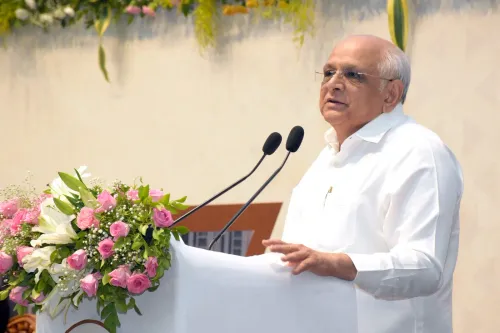
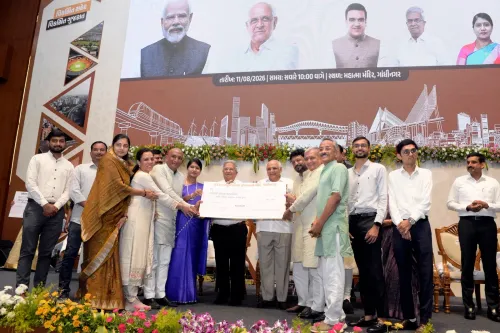
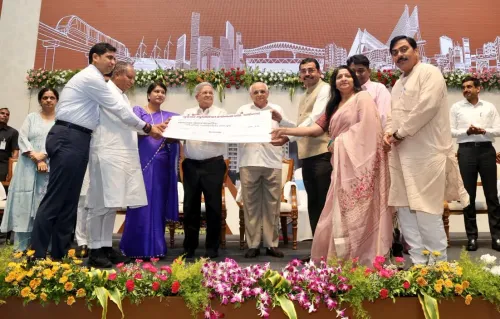
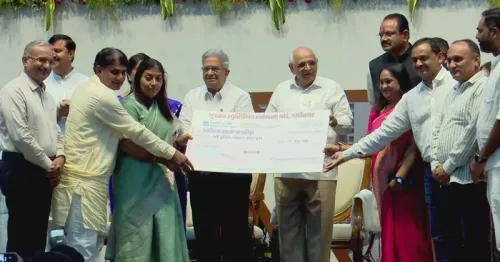
A cheque worth ₹3,850 crore changed hands at Mahatma Mandir, Gandhinagar on Tuesday, 11 August 2026 — and for millions of residents across Gujarat's cities and towns, it signals roads repaired, water lines extended, and civic life upgraded. Chief Minister Bhupendra Patel personally disbursed the funds to the state's urban local bodies in a ceremony that brought together the full weight of Gujarat's urban governance machinery.
₹2,992 Cr for Municipal Corporations, ₹858 Cr for Nagar Palikas
The total allocation breaks into two distinct streams. Municipal corporations — the larger city bodies — receive ₹2,992 crore, while nagar palikas, which govern smaller towns, are allotted ₹858 crore. The stated aim is 'all-round development works' (sarvāngi vikās kāryō) designed to raise the 'ease of living' for ordinary citizens — a phrase that maps directly onto national urban benchmarking indices that score cities on mobility, water access, sanitation, and public spaces.
Mahatma Mandir Ceremony and the Ministers Present
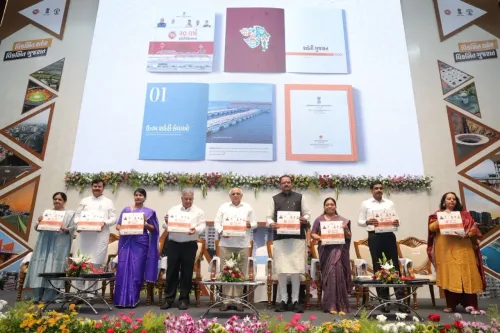
The disbursement took place at Mahatma Mandir, Gandhinagar's premier convention centre and the state government's preferred venue for high-profile civic events. Alongside Chief Minister Patel, the dais included Urban Development Minister Kanubhai Desai, Agriculture Minister Jitubhai Vaghani, and Minister of State for Urban Development Darshanaben Vaghela, along with other dignitaries — a lineup that underscores how seriously the state is framing this as a cross-cabinet priority rather than a routine departmental transfer.
Gujarat's Pattern of Direct Municipal Grant Disbursements
This is not a one-off gesture. Gujarat governments have periodically channelled large lump-sum grants directly to urban local bodies to fund roads, water supply networks, drainage systems, and civic amenities. The approach bypasses slower project-by-project approvals, giving municipalities the fiscal headroom to plan and execute at scale. The emphasis on 'ease of living' aligns the state's framing with the vocabulary of central urban missions, signalling that these funds are meant to move the needle on measurable quality-of-life indicators — not just fill administrative gaps.
The real test, as always, lies downstream: utilisation certificates, project timelines, and whether the money translates into visible change on the ground before the next budget cycle. Gujarat's urban bodies now hold the cheque — and the accountability that comes with it.
Point of View
850 crore disbursement fits into a deliberate Gujarat state strategy of direct, high-visibility grant transfers to urban local bodies — a model that consolidates political credit at the Chief Minister level while giving municipalities fiscal autonomy to execute projects. The 'ease of living' framing is not accidental: it ties state spending to a nationally recognised urban benchmarking vocabulary, positioning Gujarat's cities for better rankings in central government indices. With urban local body elections always on the horizon, large ceremonial cheque handovers also serve as powerful signalling to civic administrators and voters alike. The critical question is whether institutional capacity in smaller nagar palikas can absorb and deploy funds at the pace the disbursal implies.
NationPress
25 Sept 2026
Frequently Asked Questions
How much money did Gujarat give to municipal corporations and nagar palikas in August 2026?
Gujarat disbursed a total of ₹3,850 crore — ₹2,992 crore to municipal corporations and ₹858 crore to nagar palikas — on 11 August 2026 at a ceremony in Gandhinagar.
What is the purpose of the ₹3,850 crore Gujarat urban development grant?
The funds are designated for 'all-round development works' aimed at improving the ease of living for citizens, covering areas such as roads, water supply, drainage, and civic amenities in Gujarat's cities and towns.
Where was the Gujarat urban development fund ceremony held?
The ceremony was held at Mahatma Mandir in Gandhinagar, Gujarat's capital, on 11 August 2026.
Who attended the ₹3,850 crore urban grant ceremony in Gandhinagar?
Chief Minister Bhupendra Patel presided over the event, joined by Urban Development Minister Kanubhai Desai, Agriculture Minister Jitubhai Vaghani, Minister of State for Urban Development Darshanaben Vaghela, and other dignitaries.
What is 'ease of living' in the context of Gujarat urban development?
'Ease of living' refers to a national urban benchmarking framework that scores cities on mobility, water access, sanitation, and public spaces. Gujarat's government has aligned its urban grant language with this framework to signal measurable improvements in city life.