Gujarat CM Bhupendra Patel distributes ₹3,850 crore urban development grants to 169 civic bodies
Synopsis
Gujarat Chief Minister Bhupendra Patel handed out ₹3,850 crore in a single ceremony to 169 urban local bodies — the largest such distribution under the Swarnim Jayanti scheme. Ahmedabad alone got ₹870 crore. The real question is whether civic bodies, long criticised for poor fund utilisation, can convert these cheques into visible improvements in urban infrastructure and daily services.
Key Takeaways
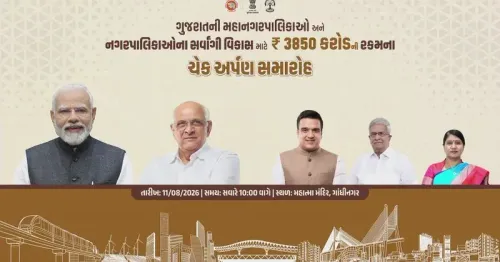
Gujarat CM Bhupendra Patel distributed ₹3,850 crore in urban development grants on 11 August in Gandhinagar .
17 municipal corporations received ₹2,992 crore ; 152 municipalities got ₹858 crore under the Swarnim Jayanti Chief Minister Urban Development Scheme .
Ahmedabad Municipal Corporation secured the largest allocation at ₹870 crore , followed by Surat at ₹770 crore .
Municipalities were classified into four tiers — Class A to Class D — with allocations ranging from ₹307.50 crore to ₹59.50 crore .
CM Patel called for civic services to be 'citizen-centric, transparent, accountable and technology-driven.'
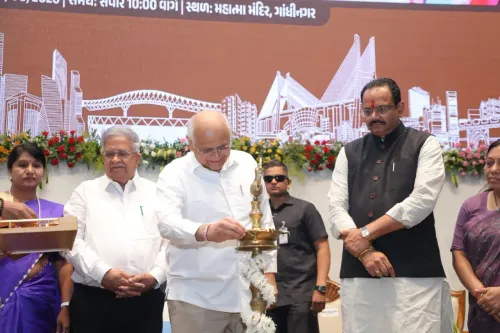
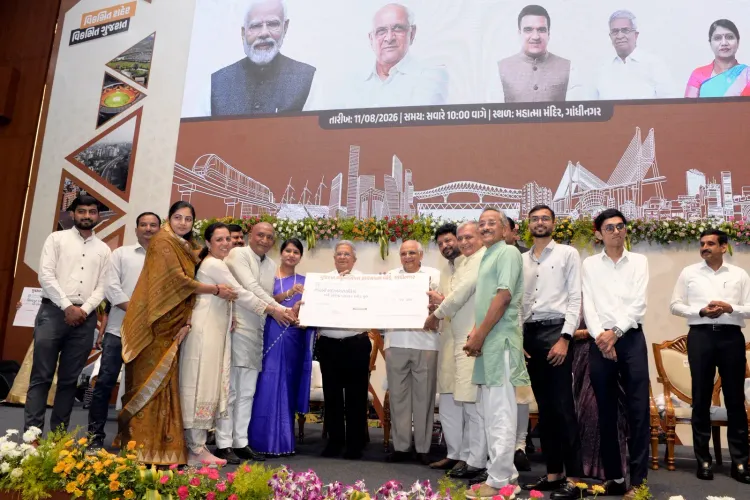
Gujarat Chief Minister Bhupendra Patel on Tuesday, 11 August disbursed development grants worth ₹3,850 crore to the state's urban local bodies at a ceremony in Gandhinagar, channelling funds to 17 municipal corporations and 152 municipalities under the Swarnim Jayanti Chief Minister Urban Development Scheme. The allocation represents one of the largest single-day grant distributions to Gujarat's urban civic infrastructure in recent years.
How the Funds Were Divided
Of the total outlay, ₹2,992 crore was directed to the 17 municipal corporations, while the remaining ₹858 crore was shared among 152 municipalities. Ahmedabad Municipal Corporation secured the largest share at ₹870 crore, followed by Surat at ₹770 crore. Vadodara received ₹285 crore and Rajkot was allocated ₹232 crore.
Bhavnagar and Jamnagar each received ₹105 crore, while Junagadh and Gandhinagar were allocated ₹65 crore each. Cities including Gandhidham, Navsari, Porbandar, Surendranagar, Mehsana, Vapi, Nadiad, Anand, and Morbi each received ₹55 crore.
Among municipalities, 41 Class A bodies were allocated ₹307.50 crore, 34 Class B municipalities received ₹221 crore, 60 Class C municipalities got ₹270 crore, and 17 Class D municipalities were granted ₹59.50 crore.
What the Chief Minister Said
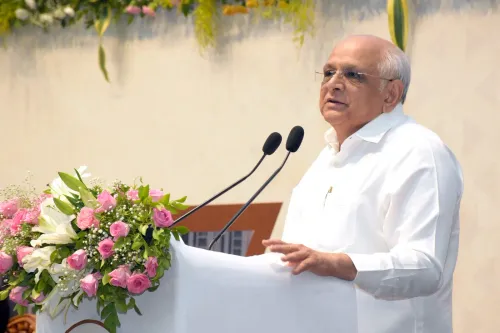
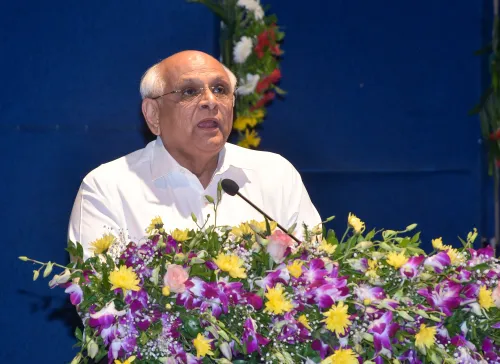
Addressing the gathering, Patel said the grants were intended to drive comprehensive urban development and strengthen public amenities. He called on civic bodies to make services 'citizen-centric, transparent, accountable and technology-driven.' Patel also noted that improvements in ease of living had raised public expectations, urging commissioners and chief officers to ensure funds were deployed for high-quality public works.
He credited Prime Minister Narendra Modi with laying the foundation for urban development, referencing the 'Year of Urban Development' in 2005 and Gujarat's subsequent expansion of urban programmes on that base.
Key Voices at the Ceremony
Urban Development and Finance Minister Kanu Desai called for urban infrastructure planning to account for climate change, and urged civic bodies to advance the Swachhata Abhiyan collectively for cleaner, greener cities. Minister of State for Urban Development Darshana Vaghela said the grant tradition was designed to improve the quality of urban life, and noted that Swadeshi fairs for local craftsmen and zone-wise workshops on solid waste disposal had been planned under the Atmanirbhar Bharat framework.
Also present were Agriculture Minister Jitu Vaghani, Deputy Whip Jagdish Makwana, Gandhinagar Mayor Meera Patel, Principal Secretary (Urban Development) M. Thennarasan, Gujarat Urban Development Company Managing Director Remya Mohan, and Gujarat Municipal Finance Board CEO Veena Patel.
Books Released, Broader Context
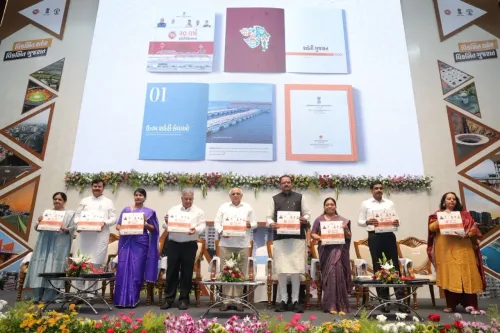
During the ceremony, Chief Minister Patel released two coffee table books — '20 Years of Urban Development' and 'Anant Anadi Vadnagar: A Glorious Saga of Development Through Heritage' — marking the occasion as both a fiscal and symbolic milestone for Gujarat's urban governance narrative.
This distribution comes as Indian cities face mounting pressure to upgrade infrastructure amid rapid urbanisation, and as the Centre continues to push urban local bodies toward financial self-sufficiency and service delivery reform. How effectively Gujarat's municipalities deploy these funds will be the real test of the scheme's impact on ground-level civic quality.
Point of View
850 crore single-day disbursement is a significant fiscal signal, but Gujarat's urban local bodies have a mixed record on fund utilisation — particularly in smaller Class C and D municipalities where administrative capacity is thinnest. The Swarnim Jayanti scheme's emphasis on 'high-quality public works' is the right intent, but without a public audit trail or outcome-linked disbursement mechanism, there is little structural pressure on civic bodies to perform. Climate-proofing urban infrastructure, as Minister Desai urged, requires more than grant cheques — it demands technical capacity that many of Gujarat's 152 municipalities do not yet have. The ceremony's optics were polished; the execution will be the harder story to watch.
NationPress
26 Sept 2026
Frequently Asked Questions
What is the Swarnim Jayanti Chief Minister Urban Development Scheme?
It is a Gujarat government scheme that channels development grants to the state's urban local bodies — municipal corporations and municipalities — to fund civic infrastructure and public amenity improvements. The latest disbursement of ₹3,850 crore was made on 11 August at a ceremony in Gandhinagar.
Which city received the largest grant under this distribution?
Ahmedabad Municipal Corporation received the largest allocation at ₹870 crore, followed by Surat at ₹770 crore. Vadodara got ₹285 crore and Rajkot received ₹232 crore.
How were the municipalities categorised for fund allocation?
Municipalities were divided into four classes — A, B, C, and D — based on size and administrative tier. Class A municipalities (41 bodies) received ₹307.50 crore, Class B (34 bodies) got ₹221 crore, Class C (60 bodies) received ₹270 crore, and Class D (17 bodies) were allocated ₹59.50 crore.
What did CM Bhupendra Patel say about how the funds should be used?
Patel urged municipal commissioners and chief officers to deploy the funds strictly for high-quality public works. He called for civic services to become 'citizen-centric, transparent, accountable and technology-driven,' and said rising public expectations made it imperative for urban bodies to deliver visible improvements.
Who were the key officials present at the Gandhinagar ceremony?
The event was attended by Urban Development and Finance Minister Kanu Desai, Agriculture Minister Jitu Vaghani, Minister of State for Urban Development Darshana Vaghela, Deputy Whip Jagdish Makwana, Gandhinagar Mayor Meera Patel, and senior officials including Principal Secretary M. Thennarasan and Gujarat Municipal Finance Board CEO Veena Patel.