Gujarat CM Pushes for Tech-Driven Urban Governance
Synopsis
Gujarat's Chief Minister, citing Narendra Modi's 2005 Urban Development Year as the foundation, has reaffirmed the state's commitment to planned urban growth, world-class civic amenities, and technology-driven, transparent administration — urging officials to make governance citizen-centric and accountable.
Key Takeaways
Narendra Modi launched Gujarat's Urban Development Year in 2005 as Chief Minister, creating the financial and administrative base for the state's urban local bodies.
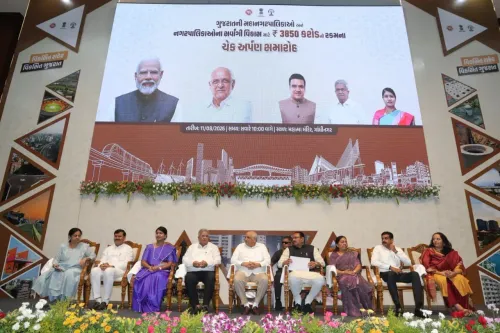
The Chief Minister's Office of Gujarat shared remarks on 11 August 2026 reaffirming this legacy at an official occasion.
The Chief Minister called for administrative services to become citizen-centric, transparent, accountable, and technology-based . ' Ease of living ' through planned urban development and world-class public amenities was stated as the government's core commitment.
Environmentally sensitive and quality-focused development was highlighted alongside the digital governance push.
Rollout of new digital platforms for municipal services and green urban infrastructure are the key developments to watch next.
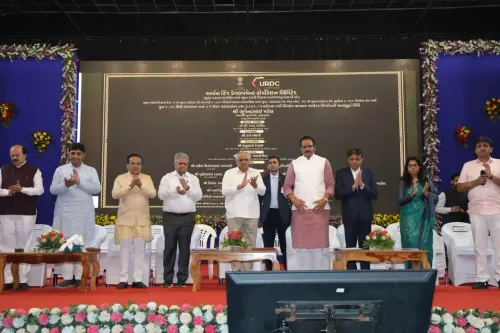
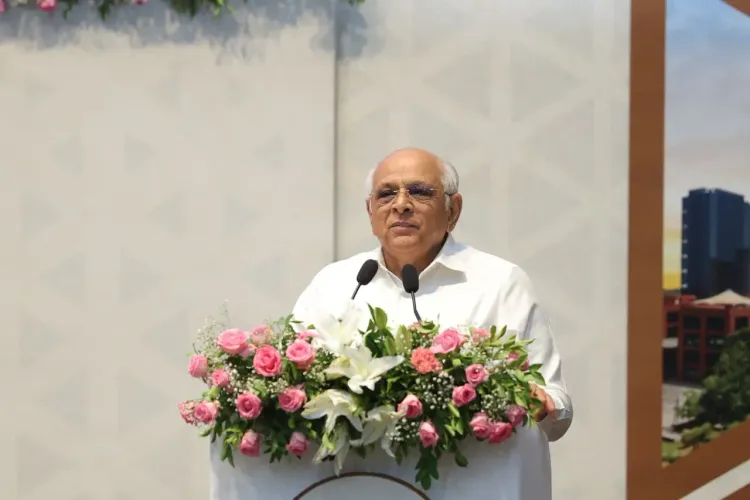
Two decades after Narendra Modi laid the groundwork for Gujarat's urban transformation, the state is doubling down on that legacy — this time with a sharper focus on technology, transparency, and citizen-first administration. The Chief Minister's Office of Gujarat shared remarks on Tuesday, 11 August 2026, in which the Chief Minister invoked Modi's landmark 2005 Urban Development Year as the foundation for the state's continuing push toward world-class civic infrastructure.
Modi's 2005 blueprint and what it built
The Chief Minister recalled that Narendra Modi, during his tenure as Gujarat's Chief Minister, launched the Urban Development Year in 2005 to build a 'strong financial and administrative foundation' for the state's urban local bodies. That initiative set the template: planned urban growth, improved municipal finances, and a commitment to civic amenities that could compete on a global scale. The remarks, delivered at an unspecified official occasion, positioned that 2005 moment as the origin point of Gujarat's current urban ambition.
The 'ease of living' commitment reaffirmed
At the event, the Chief Minister expressed the state government's commitment to ensuring 'ease of living' — 'ઇઝ ઓફ લિવિંગ' — for citizens through planned urban development and world-class public amenities. The remarks went further, calling for administrative services to become 'citizen-centric, transparent, accountable, and technology-based' through active use of digital tools. Environmentally sensitive and quality-focused development was also flagged as a non-negotiable pillar alongside the governance push.
Where Gujarat's urban model goes from here
Gujarat's sustained approach since the mid-2000s — combining e-governance, civic infrastructure, and sustainability — now runs parallel to national urban missions that emphasise digital service delivery and environmental standards. The Chief Minister's appeal to urban administrators to embrace technology signals that the next phase will be watched closely: new digital platforms for municipal services and fresh urban infrastructure projects that bake in environmental benchmarks are the immediate indicators to track.
Gujarat set the urban governance playbook in 2005. The question now is whether the technology layer being demanded in 2026 can make that playbook truly irreversible.
Point of View
The state positions its urban agenda as both locally rooted and nationally aligned with Digital India priorities. The emphasis on transparency and accountability through technology also functions as a soft counter to criticism of opaque municipal administration in fast-growing Gujarati cities. Whether the rhetoric translates into measurable service-delivery improvements will define the legacy of this phase.
NationPress
25 Sept 2026
Frequently Asked Questions
What was Gujarat's Urban Development Year 2005?
The Urban Development Year 2005 was an initiative launched by then Chief Minister Narendra Modi to build stronger financial and administrative foundations for Gujarat's urban local bodies, setting the template for planned urban growth and improved civic amenities in the state.
What did Gujarat CM say about ease of living?
The Chief Minister reaffirmed the state government's commitment to ensuring ' ease of living ' for citizens through planned urban development, world-class public amenities, and administrative services that are citizen-centric, transparent, accountable, and technology-based.
How is Gujarat using technology in urban governance?
Gujarat is pushing for digital tools to make municipal and administrative services more citizen-centric and transparent, with new digital platforms for municipal services and tech-integrated urban infrastructure flagged as the next phase of the state's urban governance model.
What is the CMO Gujarat's role in urban development announcements?
The Chief Minister's Office of Gujarat (CMO Gujarat) is the official communication channel for the state government, and regularly shares the Chief Minister's policy positions, event remarks, and governance directives, including urban development commitments.
What is Gujarat's approach to sustainable urban development?
Gujarat's urban model combines planned growth, world-class civic infrastructure, and environmentally sensitive development, a framework established since the mid-2000s and now being extended through greater technology adoption and e-governance aligned with national urban missions.