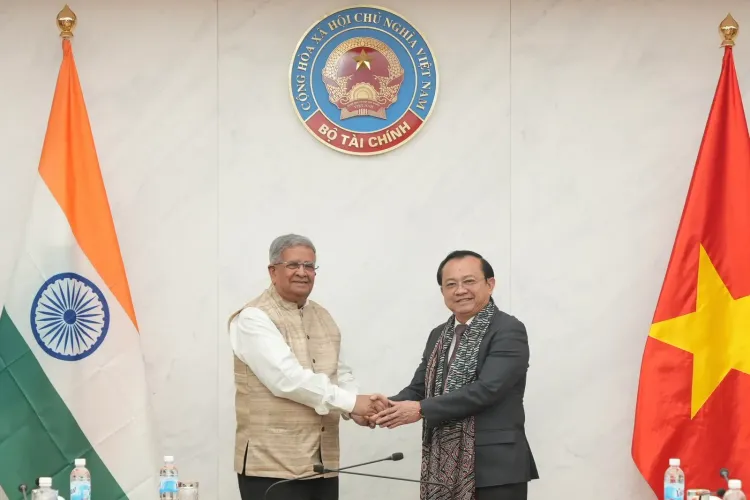
CM Bhupendra Patel flags Gujarat–Vietnam ties at VGGS 2027 outreach
Synopsis
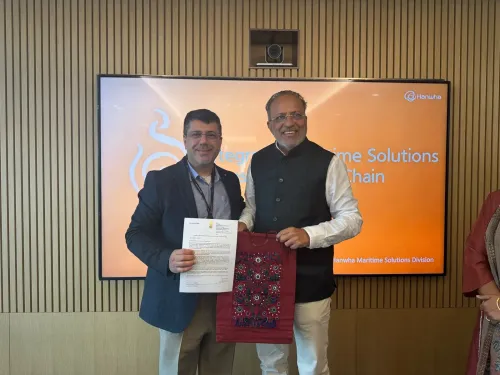
Gujarat CM Bhupendra Patel has kicked off the Vibrant Gujarat Global Summit 2027 outreach in Vietnam, targeting trade and investment ties with one of Southeast Asia's fastest-growing economies, aligned with PM Modi's Act East Policy.
Key Takeaways
Gujarat CM Bhupendra Patel announced the Vibrant Gujarat Global Summit 2027 outreach in Vietnam on October 22, 2026 .
The outreach is framed under PM Narendra Modi 's Act East Policy , first formalised at the 2014 India-ASEAN Summit .
The Vibrant Gujarat Global Summit series was launched in 2003 by Modi when he served as Gujarat's Chief Minister.
Vietnam is a key target given its growth in textiles, electronics, and agri-processing — sectors overlapping with Gujarat's industrial strengths.
Pre-summit country outreach events are designed to secure MoUs and investment commitments before the main summit convenes in 2027 .
Gujarat's model of sub-national economic diplomacy is increasingly seen as a template for state-level foreign investment promotion across India.
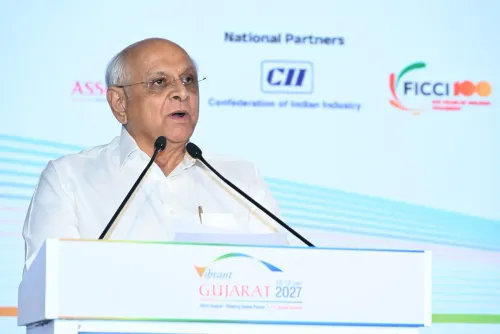
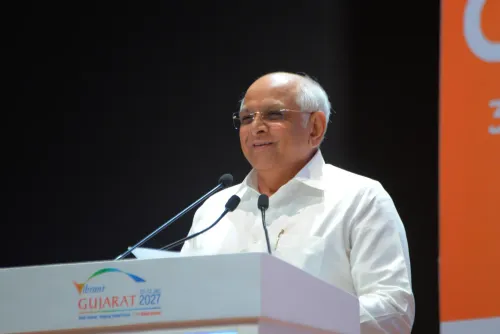
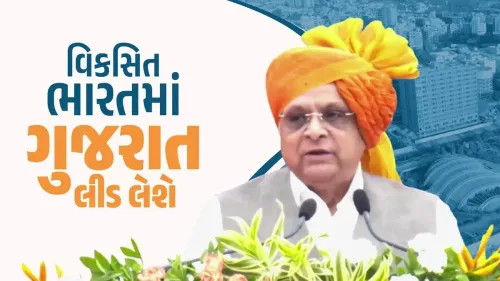
Gujarat is taking its investment pitch to Southeast Asia — and Vietnam is the latest stop. Gujarat Chief Minister Bhupendra Patel announced on Thursday, October 22, 2026 that the Vibrant Gujarat Global Summit 2027 outreach has landed in Vietnam, opening fresh corridors for bilateral trade and investment between the western Indian state and one of Southeast Asia's fastest-growing economies.
Gujarat carries Act East into the Mekong delta
The outreach is explicitly anchored to Prime Minister Narendra Modi's Act East Policy, first formalised at the 2014 India-ASEAN Summit and built on the foundation of the earlier Look East Policy of the 1990s. That national doctrine — prioritising economic and strategic depth with ASEAN — has increasingly been operationalised not just from New Delhi but from state capitals. Gujarat, with its dense industrial corridor and port infrastructure, has positioned itself as the sub-national engine of that ambition.
Patel's post framed the Vietnam leg as a direct expression of that vision: 'Guided by Hon'ble PM Shri Narendra Modi ji's Act East vision, Gujarat is deepening its partnerships with fast-growing economies of South-East Asia.' The language is deliberate — it ties a state-level investment drive to a nationally recognised foreign-policy identity, lending the outreach diplomatic weight beyond a typical trade road-show.
The summit machine that Modi built — and Patel now runs
The Vibrant Gujarat Global Summit series is itself a piece of political and economic history. Narendra Modi launched the biennial summit in 2003 when he was Gujarat's Chief Minister, using it to reposition a state scarred by the 2002 riots as a globally credible investment destination. The formula worked: successive editions drew heads of government, sovereign wealth funds, and Fortune 500 firms. Bhupendra Patel, who took over as Chief Minister in 2021, has inherited and expanded that platform.
Vietnam fits the strategic template neatly. The country has emerged as a major manufacturing hub — particularly in textiles, electronics, and agri-processing — sectors that overlap significantly with Gujarat's industrial strengths. Under regional trade frameworks, India–Vietnam commerce has grown steadily, and a state-level push ahead of the 2027 summit is designed to convert that macro momentum into signed commitments on the floor of the summit itself.
What the Vietnam outreach is meant to deliver
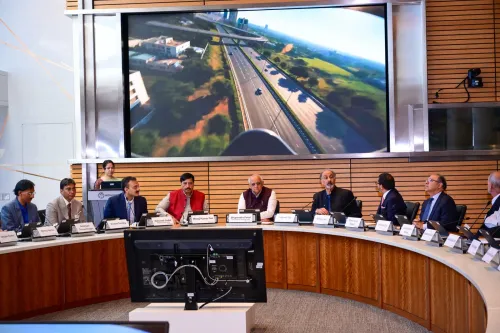
Country-specific pre-summit outreach events are a proven VGGS tactic: meet investors on their home turf, build the relationship before the spectacle, and arrive at the summit with MoUs already in draft. While the specific agenda of the Vietnam leg has not been publicly detailed, the pattern from previous editions points toward sector briefings, one-on-one investor meetings, and government-to-government facilitation sessions. The real scorecard will be the investment commitments — and the MoUs — that surface when the summit formally opens in 2027.
For Vietnam, the pitch is straightforward: Gujarat offers connectivity through JNPT and the Mundra port, a trained industrial workforce, established SEZs, and a state government with a track record of fast-tracking large-project clearances. 'Team Gujarat looks forward to welcoming partners from Vietnam to the Summit and building a stronger future together,' Patel said.
As India's sub-national diplomatic calendar grows more crowded, the Gujarat model — where a state operates almost like a sovereign trade partner — is being watched closely. Vietnam may be the current destination. It almost certainly won't be the last stop on the VGGS 2027 outreach trail.
Point of View
Ahead of the 2027 summit, Gujarat is de-risking the summit floor and signalling that it views Southeast Asia not as a peripheral market but as a core FDI corridor. The alignment with the Act East Policy also gives the state a strategic legitimacy that pure commercial road-shows lack, reinforcing the BJP's broader narrative of continuity between national geopolitics and Gujarat's economic governance. Watch the Vietnam leg for the sectors it prioritises — they will reveal where Gujarat expects its next wave of industrial anchoring to come from.
NationPress
22 Oct 2026
Frequently Asked Questions
What is the Vibrant Gujarat Global Summit 2027?
The Vibrant Gujarat Global Summit 2027 is the latest edition of Gujarat's biennial flagship investment summit, launched in 2003 to attract global FDI to the state. It brings together investors, governments, and industry leaders, with country-specific outreach events held worldwide in the lead-up to the main summit.
Why is Gujarat doing outreach in Vietnam for VGGS 2027?
Vietnam is one of Southeast Asia's fastest-growing economies with strengths in textiles, electronics, and agri-processing that complement Gujarat's industrial profile. Pre-summit outreach is designed to build investor relationships and secure MoUs before the summit formally opens in 2027.
What is India's Act East Policy and how does it relate to Gujarat?
India's Act East Policy was launched by PM Narendra Modi at the 2014 India-ASEAN Summit, replacing the earlier Look East Policy to deepen economic and strategic engagement with Southeast Asia. Gujarat's VGGS outreach in the region is positioned as a state-level implementation of this national foreign-economic policy.
Who is Gujarat Chief Minister Bhupendra Patel?
Bhupendra Patel is the Chief Minister of Gujarat, serving since 2021. He is a BJP leader who has continued the state's tradition of aggressive global investment promotion, notably through the Vibrant Gujarat Global Summit series originally built by Narendra Modi.
When is Vibrant Gujarat Global Summit 2027 scheduled?
A precise date for VGGS 2027 has not been publicly confirmed, but the summit series traditionally takes place in January at Gandhinagar. The Vietnam outreach in October 2026 is part of the pre-summit global roadshow ahead of that event.