CM Bhupendra Patel Hails CGSEMI OSAT Launch in Sanand
Synopsis
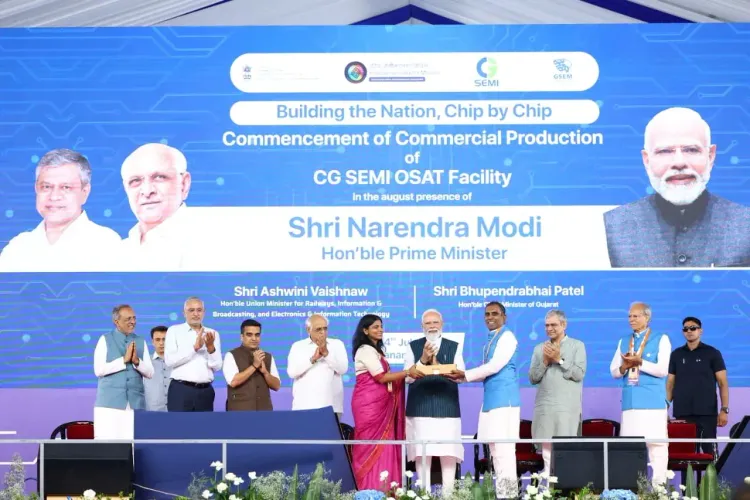
Gujarat Chief Minister Bhupendra Patel on 4 July 2026 welcomed PM Modi's inauguration of CGSEMI's OSAT facility in Sanand — the third unit operational under the Semicon India mission — calling it a milestone achieved in just 27 months from foundation to commercial production.
Key Takeaways
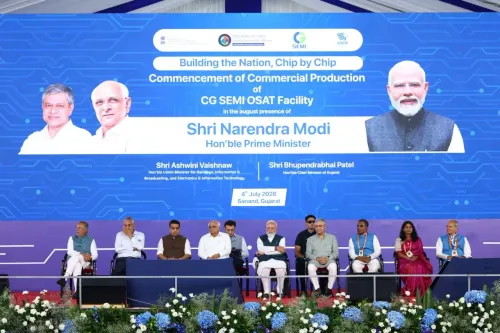
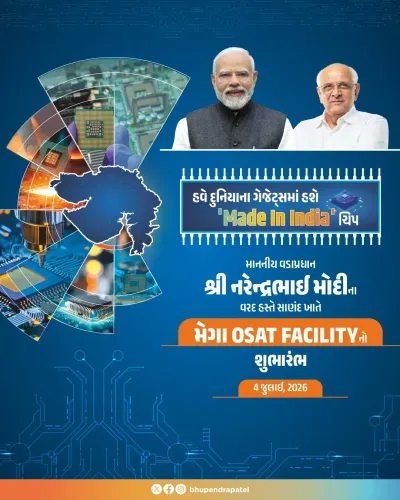
Prime Minister Narendra Modi inaugurated CGSEMI's OSAT semiconductor facility in Sanand, Gujarat on 4 July 2026 .
The plant moved from foundation to commercial production in 27 months , as stated by Chief Minister Bhupendra Patel .
This is the third semiconductor facility to become operational under the central government's Semicon India mission.
Gujarat was the first state in India to introduce a dedicated Semiconductor and Display Policy, in 2022 .
The Semicon India programme carries an outlay of Rs 76,000 crore to support chip fabrication, assembly, and design units.
Sanand is being developed as a world-class semiconductor manufacturing cluster, with multiple approved projects now taking shape.
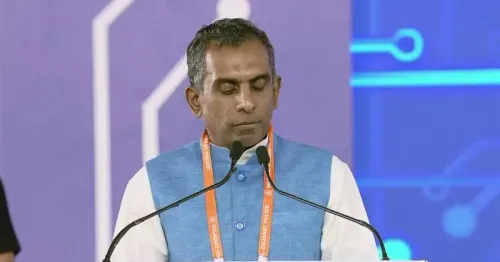
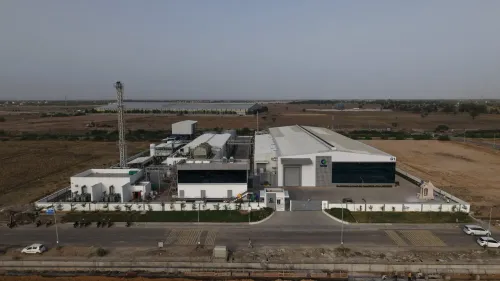
Gujarat Chief Minister Bhupendra Patel on Saturday, 4 July 2026, celebrated the inauguration of CGSEMI's state-of-the-art OSAT (Outsourced Semiconductor Assembly and Test) facility in Sanand, Gujarat, by Prime Minister Narendra Modi, calling it a major milestone in India's semiconductor manufacturing journey and highlighting the commencement of commercial production at the plant.
Context
Patel's post marks the formal start of commercial operations at CGSEMI's OSAT unit in Sanand — a facility that moved from foundation to full production in 27 months, according to the Chief Minister. The inauguration was performed by Prime Minister Modi in person, underscoring the strategic importance the central government attaches to the project. OSAT facilities handle the assembly, testing, and packaging stages of semiconductor manufacturing, which are critical links in the global chip supply chain.
Patel described the achievement as reflecting 'the speed, scale and determination with which New India is building strategic industries.' He also noted that this is the third semiconductor facility to become operational under the Semicon India mission, signalling a broader pattern of accelerating execution across the programme.
Policy Backdrop
The Semicon India programme was approved by the Union Cabinet in 2021 with an outlay of Rs 76,000 crore, designed to provide fiscal support for semiconductor fabrication, assembly, and design units across the country. The programme, operating under the India Semiconductor Mission, aims to reduce the country's dependence on imported chips and build strategic supply-chain resilience.
Gujarat became the first state in India to notify a dedicated Semiconductor and Display Policy in 2022, offering capital subsidies and land incentives on top of central scheme benefits. Patel reiterated this distinction in his post, stating that Gujarat 'continues to lead India's semiconductor revolution.' Sanand, an industrial township in the Ahmedabad district, has since been designated as a semiconductor cluster with multiple approved projects taking shape there.
Stakeholders and Impact
The operationalisation of the CGSEMI OSAT plant is expected to generate employment for Gujarat's industrial workforce and strengthen the local component of India's chip packaging ecosystem. For global technology companies evaluating supply-chain diversification away from traditional semiconductor hubs, a functioning OSAT cluster in Sanand represents a tangible proof-of-concept. Patel's post noted the development 'reinforces the growing trust of global technology leaders in India's capabilities.'
Semiconductor firms at various stages of approval under the Semicon India mission are also likely to read the 27-month foundation-to-production timeline as a signal of state-level execution capacity. Gujarat and Assam have emerged as the two primary locations attracting packaging and assembly investments under the national programme.
What's Next
Attention now turns to the commercial output ramp-up at the newly inaugurated CGSEMI unit and whether additional assembly or chip-design facilities will be announced for the Sanand cluster in the near term. Bhupendra Patel framed Gujarat's role as an ongoing one, pledging to 'translate the Prime Minister's transformative vision into reality' — language that signals continued state-level policy activity in the semiconductor space. As Sanand consolidates its position as a world-class semiconductor manufacturing cluster, India's broader ambition of becoming a global chip hub will be tested by how quickly these facilities scale to meaningful production volumes.
Point of View
The event is an opportunity to reinforce Gujarat's positioning as the lead state in India's semiconductor ambitions — a distinction that carries real economic and political weight as global firms scout alternative supply-chain locations. The 27-month foundation-to-production timeline, if it holds up as a replicable benchmark, could become a key selling point in India's pitch to international chip companies. At a national level, the Sanand cluster's progress feeds into a broader strategic narrative of reducing import dependence in a sector that is increasingly treated as a matter of economic security.
NationPress
4 Jul 2026
Frequently Asked Questions
What is the CGSEMI OSAT facility inaugurated in Sanand?
CGSEMI's OSAT (Outsourced Semiconductor Assembly and Test) facility in Sanand, Gujarat is a plant dedicated to the assembly, testing, and packaging of semiconductors. It was inaugurated by Prime Minister Narendra Modi on 4 July 2026 and has commenced commercial production.
What is the Semicon India mission?
The Semicon India programme is a central government initiative approved in 2021 with an outlay of Rs 76,000 crore to support semiconductor fabrication, assembly, and design units in India, aiming to reduce chip import dependence and build domestic supply-chain capacity.
Why is Gujarat called the first state in India's semiconductor sector?
Gujarat became the first state in India to notify a dedicated Semiconductor and Display Policy in 2022, offering capital subsidies and land incentives in addition to central government benefits, which helped attract multiple semiconductor projects to locations like Sanand.
How long did it take to build the CGSEMI plant in Sanand?
According to Gujarat Chief Minister Bhupendra Patel's post, the CGSEMI facility moved from its foundation to full commercial operations in 27 months.
Which are the other semiconductor facilities operational under Semicon India?
The CGSEMI OSAT unit in Sanand is described as the third semiconductor facility to become operational under the Semicon India mission. The specific identities of the earlier two units were not detailed in the Chief Minister's post.