CM Bhupendra Patel Hails India's Para-Athletes Under Modi
Synopsis
Gujarat CM Bhupendra Patel credited PM Narendra Modi's leadership for transforming India's para-sports landscape through schemes like Khelo India and an expanded TOPS, calling the country's para-athletes champions who conquered all odds.
Key Takeaways
Gujarat Chief Minister Bhupendra Patel posted on November 6, 2026 praising India's para-athletes and attributing progress to PM Narendra Modi's leadership.
The Khelo India scheme, launched in 2017 , includes dedicated para-sports components for grassroots talent identification and annual national competitions.
The Target Olympic Podium Scheme was expanded in 2018 to cover para-athletes with financial support, coaching, and international exposure.
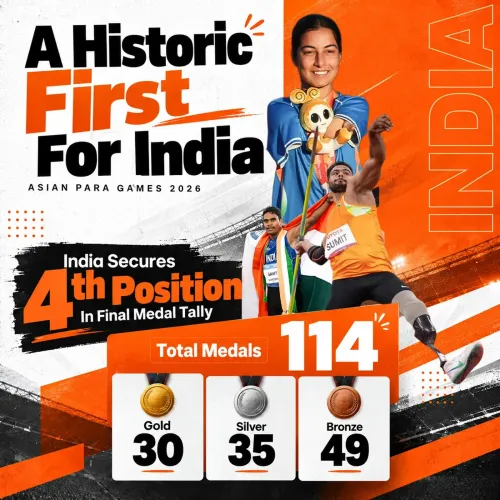
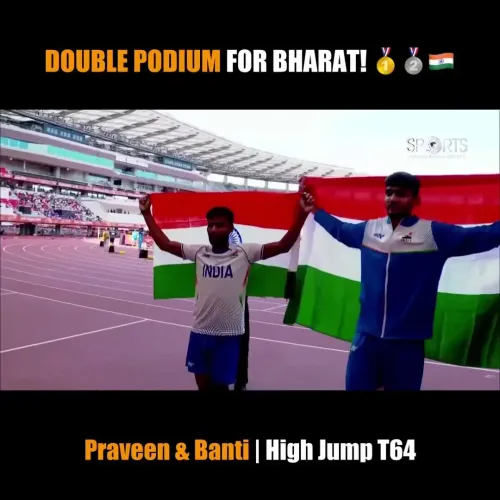
Rising medal tallies at the Asian Para Games and Paralympics have tracked alongside increased government budgetary allocations and new training centres since 2014 .
A revised National Sports Policy and preparations for the next Paralympic cycle including state-level selection trials are under way.
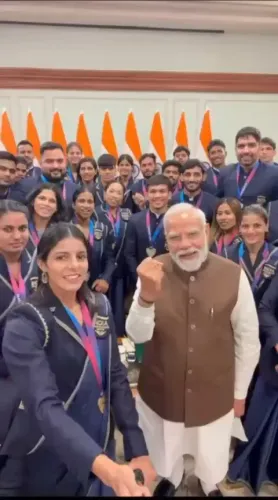
India's para-athletes have become a symbol of what happens when a government clears the path and athletes decide to run. Gujarat Chief Minister Bhupendra Patel on Friday, November 6, 2026 praised the country's para-sports ecosystem, crediting Prime Minister Narendra Modi's leadership for dismantling systemic barriers and building world-class support structures that have turned determination into podium finishes.
From exclusion to elevation: how para-sports policy shifted gears
The transformation CM Patel points to did not happen overnight. Since 2014, the Union government has steadily raised budgetary allocations for sports and carved out dedicated verticals specifically for athletes with disabilities. The Khelo India scheme, launched in 2017, embedded para-sports components into grassroots competition calendars, ensuring that talent identification no longer stopped at the district level for differently-abled athletes.
The Target Olympic Podium Scheme (TOPS) was expanded in 2018 to bring para-athletes under its financial and training umbrella — covering coaching fees, equipment, international exposure, and monthly allowances. The result has been visible in rising medal tallies at the Asian Para Games and successive Paralympic cycles, with new specialised training centres and pension provisions for medal winners reinforcing the message that the support does not end at the closing ceremony.
Gujarat's voice in a national conversation
CM Patel's post is part of a broader pattern in which state leaders — particularly from BJP-governed states — amplify central government narratives on sports inclusion. For Gujarat, a state with an active Khelo India footprint and its own para-sports contingent in national competitions, the alignment is both political and programmatic. The Chief Minister's declaration that 'absolute determination conquers all odds' mirrors the messaging the Union government has deployed to frame para-athletes not as beneficiaries of welfare, but as champions of national pride.
What gives the sentiment weight is the institutional scaffolding behind it: revised training protocols, dedicated coaches, and an evolving National Sports Policy that is expected to deepen inclusion mandates in the next Paralympic cycle's selection trials — the ones already being watched by state sports departments across the country.
India's para-athletes did not just punch through barriers — they proved the barriers were never necessary to begin with. The next question is whether the policy momentum holds long enough to make that the permanent standard.
Point of View
Sports inclusion as a governance achievement ahead of a new Paralympic cycle. The framing of para-athletes as 'champions' rather than beneficiaries is deliberate: it repositions disability sports policy from welfare to national pride, a shift that began with the TOPS expansion in 2018 and has since become a durable BJP communications template. What makes the moment worth watching is the pending National Sports Policy revision — if it embeds deeper structural guarantees for para-athletes, the rhetoric will have institutional backing; if it stalls, the gap between the narrative and the reality will grow harder to paper over.
NationPress
6 Nov 2026
Frequently Asked Questions
What is the Khelo India scheme and how does it support para-athletes?
Khelo India is a central government scheme launched in 2017 to build grassroots sports ecosystems across India. It includes a dedicated vertical for para-athletes, funding annual national para-sports competitions and talent identification programmes at the district and state level.
What is the Target Olympic Podium Scheme (TOPS) for para-athletes?
TOPS was expanded in 2018 to include para-athletes, providing them with financial assistance, specialised coaching, international competition exposure, and monthly stipends to help them prepare for global events including the Paralympics.
Why did Gujarat CM Bhupendra Patel post about para-athletes?
Gujarat CM Bhupendra Patel posted on November 6, 2026 to celebrate India's para-athletes and credit PM Narendra Modi's policies for removing systemic barriers and creating an empowering sports environment for differently-abled athletes.
How has India's para-sports performance changed since 2014?
Since 2014 , India's medal tallies at the Asian Para Games and successive Paralympic Games have risen alongside increased government budgetary allocations, new specialised training centres, and pension schemes for medal-winning para-athletes.
What is next for India's para-athletes in terms of policy?
A revised National Sports Policy is being developed that is expected to deepen inclusion mandates for para-athletes. State-level selection trials for the next Paralympic cycle are also under way, being closely monitored by state sports departments.