CM Bhupendra Patel marks 12 years of Modi govt's youth schemes
Synopsis
Gujarat CM Bhupendra Patel marked twelve years of PM Modi's government by crediting Skill India, Startup India and Khelo India with transforming Indian youth into entrepreneurs, skilled workers and athletes driving the Viksit Bharat vision.
Key Takeaways
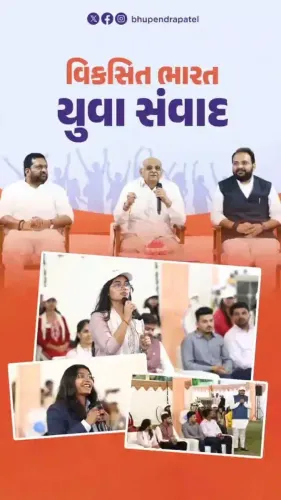
Gujarat CM Bhupendra Patel posted on 13 June 2026 under #12YearsOfYuvaShakti to mark twelve years of PM Modi's government.
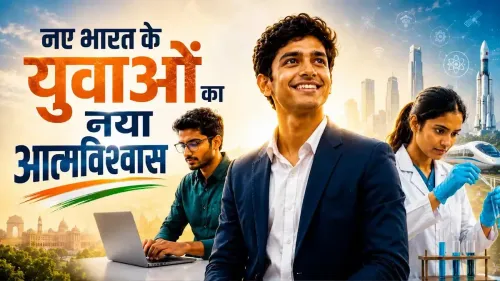
He credited the Skill India Mission (launched 2015 ) and Startup India (launched 2016 ) with shifting youth from job-seekers to job-creators.
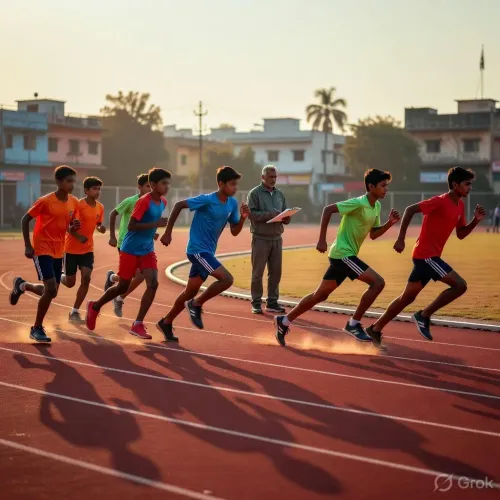
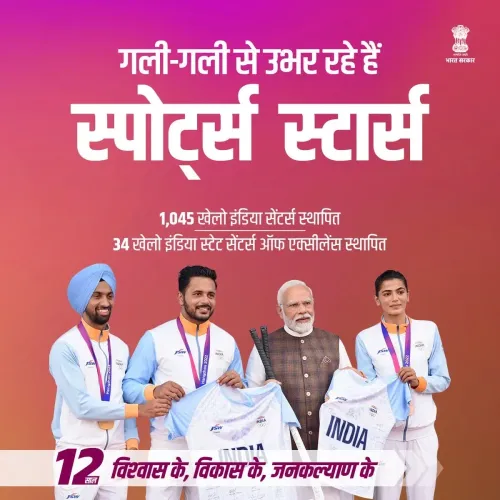
The Khelo India programme, introduced in 2017 , was cited for driving grassroots sports development and rewriting India's sporting history.
All three schemes are framed within the Viksit Bharat 2047 vision, which positions youth as central to India's development goals.
The post is part of a coordinated BJP messaging exercise connecting twelve years of central governance to long-term national ambition.
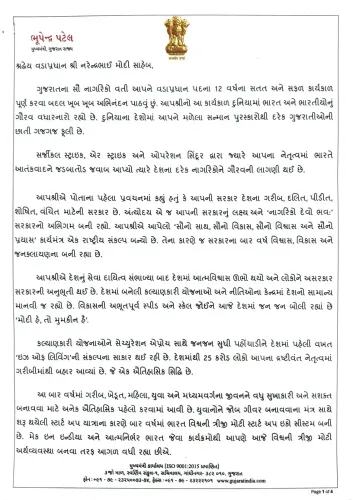
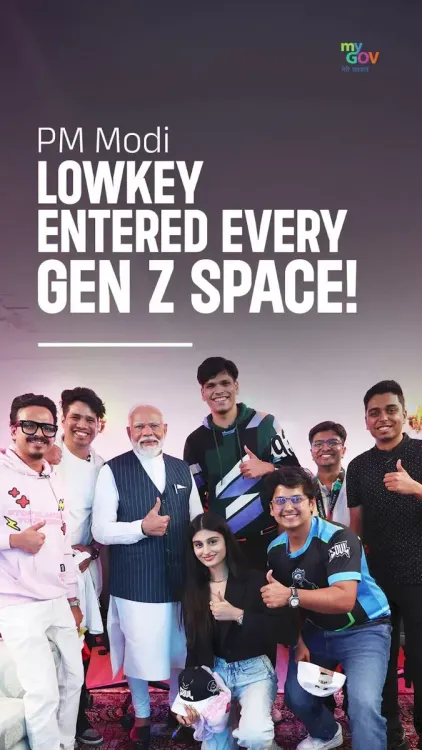
Gujarat Chief Minister Bhupendra Patel on Saturday, 13 June 2026, credited Prime Minister Narendra Modi's twelve-year tenure with transforming India's youth into entrepreneurs, skilled workers and global athletes, invoking the government's Amrit Peedhi (golden generation) framing to mark the occasion.
Context
Posting under the hashtag #12YearsOfYuvaShakti, CM Patel argued that India's young population has shifted from being 'job seekers' to 'dynamic job creators' over the past decade. He specifically cited the Skill India Mission and Startup India as the policy instruments driving that shift, and pointed to the Khelo India programme as the vehicle rewriting the country's sporting history. The post is part of a coordinated BJP messaging exercise marking twelve years since Narendra Modi first assumed office in May 2014.
Policy Backdrop
The three schemes CM Patel highlighted each have distinct origins. The Skill India Mission was launched in 2015 to bridge the gap between formal education and industry-relevant vocational training, targeting millions of young people across sectors. Startup India followed in 2016, simplifying regulatory requirements and offering tax incentives to encourage youth-led ventures and reduce barriers to entrepreneurship.
The Khelo India programme, introduced in 2017, was designed to build grassroots sports infrastructure, identify talent at the district level and provide scholarships and structured training to promising athletes. Together, these initiatives form part of a broader central government strategy — running alongside Digital India and Make in India — aimed at capitalising on India's demographic dividend by converting a young population into a productive and competitive workforce.
The Viksit Bharat vision, articulated formally in 2022–23, places youth at the centre of India's development ambitions through to 2047, the centenary of independence. CM Patel's post explicitly links the twelve-year record to this longer horizon, framing current scheme outcomes as early milestones on that trajectory.
Stakeholders and Impact
The primary beneficiaries of the schemes cited are Indian youth — startup founders, vocationally trained workers and young athletes. The Skill India Mission has sought to make millions employable in sectors from manufacturing to services, while Startup India has supported the growth of a recognised startup ecosystem that positions India as a global innovation hub, a phrase CM Patel used directly in his post.
For young athletes, Khelo India has expanded competitive opportunities beyond traditional strongholds, with the programme funding multi-sport games at the state and national level. Gujarat, as one of the larger participating states, has had a stake in the programme's grassroots infrastructure rollout. The framing of youth as 'active architects' of national progress also carries political weight, positioning the BJP's governance record as generationally relevant ahead of future electoral cycles.
What's Next
The immediate watch-points are the funding allocations for the next phases of Skill India and Startup India in forthcoming Union Budgets, which will signal how aggressively the centre intends to scale outcomes. On the sporting side, India's performance in the 2028 Olympics cycle will serve as a concrete test of whether Khelo India's grassroots investment has translated into elite competitive results. More broadly, the Viksit Bharat 2047 framework means youth policy will remain a central pillar of government communication and budgetary prioritisation for the foreseeable future.
Point of View
Entrepreneurship and sports — into a single youth-empowerment narrative timed to governance anniversaries. By invoking Viksit Bharat 2047, the messaging extends the accountability horizon far enough to pre-empt near-term scrutiny of scheme outcomes. The use of 'Amrit Peedhi' signals deliberate alignment with the broader Amrit Kaal communication framework that has defined central government branding since 2022. For a state-level leader like Patel, amplifying this narrative also reinforces Gujarat's positioning as a model implementer of central schemes, which carries its own political dividend.
NationPress
24 Sept 2026
Frequently Asked Questions
What is the Skill India Mission?
The Skill India Mission is a central government scheme launched in 2015 to provide vocational and industry-relevant training to millions of young Indians, aiming to bridge the gap between formal education and employment.
What is Startup India?
Startup India is a government initiative announced in 2016 that simplifies regulations, offers tax benefits and provides funding support to encourage youth-led startups and entrepreneurship across India.
What is the Khelo India programme?
Khelo India is a sports promotion programme introduced in 2017 to build grassroots sports infrastructure, identify young talent and provide scholarships and structured training to promising athletes nationwide.
What is Viksit Bharat 2047?
Viksit Bharat 2047 is the Indian government's national vision for a fully developed India by 2047 , the centenary of independence, with youth identified as the primary drivers of that transformation.
Why did CM Bhupendra Patel post about 12 years of youth schemes?
The post marked twelve years since PM Narendra Modi first took office in May 2014 , part of a BJP campaign under #12YearsOfYuvaShakti highlighting the government's record on youth employment, entrepreneurship and sports.