CM Rekha Gupta Celebrates Diwali in Bastar, Hails Security Forces
Synopsis
Delhi Chief Minister Rekha Gupta visited Bastar on November 8, 2026, to celebrate Diwali in the once heavily Naxal-affected district, crediting security forces for the peace and calling for development to be the region's path forward.
Key Takeaways
Delhi CM Rekha Gupta visited Bastar, Chhattisgarh on November 8, 2026 and celebrated Diwali there.
She credited Indian security forces for making the festive celebration possible in the region.
Gupta declared 'Naxalism is history' and said 'development is the way ahead' for Bastar.
Bastar has been a core Left-Wing Extremism-affected district where Maoist insurgents historically banned or disrupted civilian life.
Indian governments since the late 2000s have pursued a twin-track strategy of security operations and development programmes in LWE-affected zones.
The visit fits a broader BJP pattern of using public festivities in former conflict zones to signal governance achievement and normalcy.
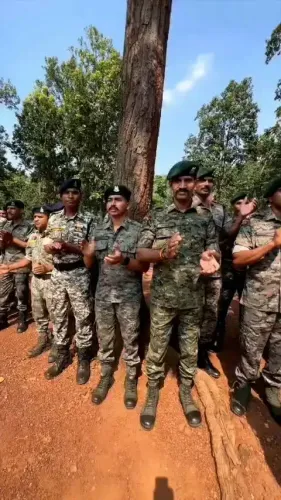
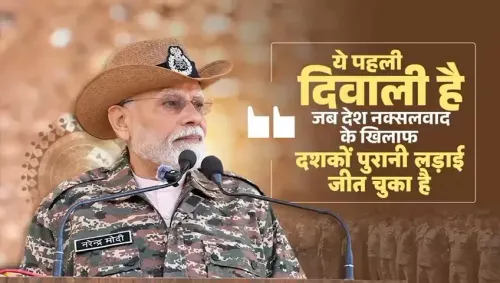
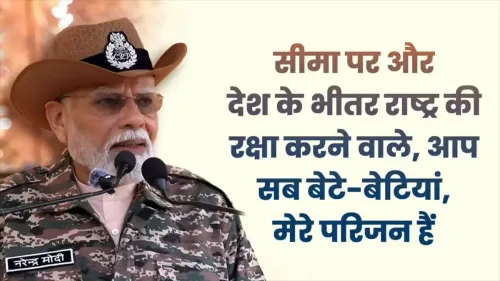
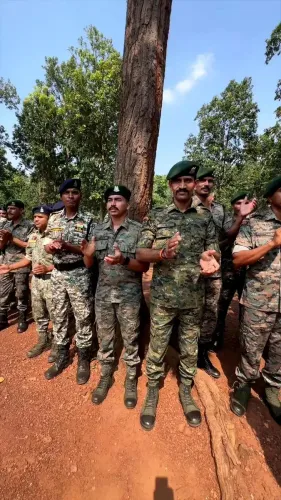
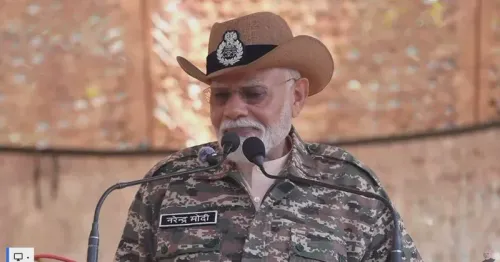
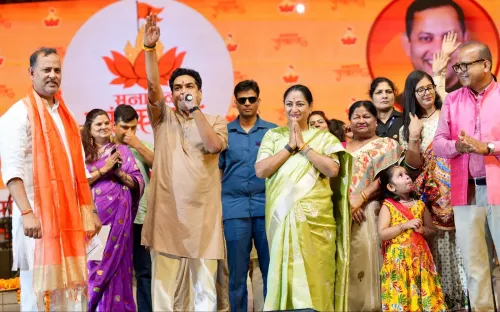
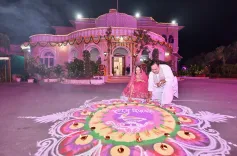
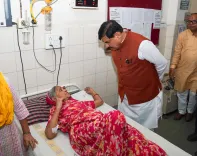
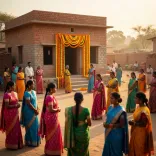
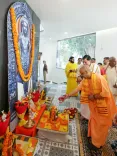
Diwali came to Bastar this year with a symbolism that few districts in India could match — a region that spent decades under the shadow of Naxalite violence lighting its lamps in what Delhi Chief Minister Rekha Gupta called a 'special and memorable' moment. Visiting the Chhattisgarh district on Sunday, November 8, 2026, Gupta credited India's security forces for making the celebration possible, posting from the ground that 'Naxalism is history.'
A Festive First in a Former Conflict Zone
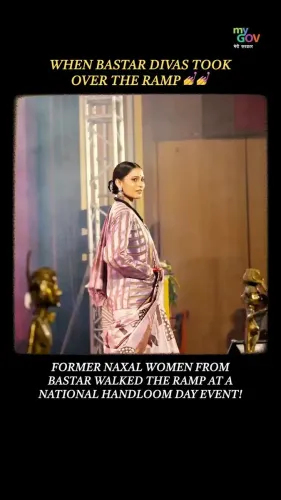
For the residents of Bastar, Diwali has not always been a simple celebration. The district sits at the heart of what the government has long designated as a Left-Wing Extremism (LWE)-affected zone — a belt where Maoist insurgents once enforced bans on festivals, disrupted supply lines, and kept entire communities in a state of enforced austerity. The image of lit diyas and public festivity in this landscape carries weight that goes well beyond seasonal cheer.
Gupta's post — 'Diwali in Bastar…all thanks to our security forces! Naxalism is history. Development is the way ahead.' — was brief but pointed. It frames the celebration not merely as cultural but as a political and security milestone.
Decades of Security Operations Behind the Moment
Indian security forces, comprising central paramilitary units and Chhattisgarh state police, have been engaged in anti-Naxal operations in Bastar for well over a decade. Since the late 2000s, successive governments pursued a twin-track approach: sustained counter-insurgency pressure alongside infrastructure investment — roads, schools, mobile connectivity — aimed at pulling communities back into the mainstream economy and civic life.
Official government data in recent years has pointed to a steady shrinkage of LWE-affected districts nationwide, with Bastar cited frequently as one of the areas where security gains have been most pronounced. It is against this backdrop that Gupta's visit and the Diwali event draw their significance.
Development as the New Doctrine
'Development is the way ahead' — the second half of Gupta's message points to the phase the government argues comes after security consolidation. With reduced insurgent presence, the focus shifts to accelerating welfare delivery: health posts, road connectivity, banking access, and livelihood programmes for tribal communities who bore the worst of the conflict's costs.
Bastar's tribal population has historically been caught between security operations and Maoist pressure. Any lasting peace dividend depends as much on how quickly development reaches remote villages as on the security situation holding.
BJP's Messaging Playbook for LWE Districts
Gupta's visit fits a recognisable pattern of BJP leaders using public festivity in former conflict zones as a signal of governance achievement. Posts like these serve a dual purpose: they acknowledge security forces publicly — a constituency the party cultivates carefully — and they project a narrative of normalcy returning to regions long associated with insurgency.
What makes the moment credible to many observers is the visual itself: a Diwali in Bastar, documented and shared in real time. Whether the gains prove durable will depend on what follows — not just in security terms, but in whether development investments outlast the headlines.
The lamps are lit in Bastar; the harder task now is keeping the lights on for the long term.
Point of View
Bastar is both a proof-of-concept and an ongoing test: if development fails to follow security, the narrative of victory risks looking premature.
NationPress
8 Nov 2026
Frequently Asked Questions
Why is Diwali in Bastar considered significant in 2026?
Bastar has historically been one of India's most heavily Naxal-affected regions, where public celebrations were often disrupted or banned by Maoist groups. A Diwali celebration in the district in 2026 is being presented by BJP leaders as a marker of restored peace and normalcy.
What did Delhi CM Rekha Gupta say about Naxalism in Bastar?
Rekha Gupta posted on November 8, 2026, that 'Naxalism is history' and credited Indian security forces for creating conditions that allowed Diwali celebrations to take place in Bastar.
What is the security situation in Bastar currently?
Official government data in recent years has shown a reduction in LWE-affected districts, with Bastar cited as a region where security forces have made significant gains through sustained counter-insurgency operations and development investment.
Why is Rekha Gupta, Delhi's CM, visiting Bastar in Chhattisgarh?
As a senior BJP leader, Gupta's visit to Bastar appears to be part of the party's broader messaging around security achievements in Naxal-affected zones, using the symbolic moment of Diwali to highlight what the government presents as a transformational shift.
What development plans exist for Bastar after Naxal violence reduced?
The Indian government's post-conflict approach for LWE districts includes accelerating infrastructure investment — roads, schools, banking access, and livelihood programmes — particularly for tribal communities who were most affected by the insurgency.