CM Bhupendra Patel hails PM Modi's Manila diaspora welcome
Synopsis
Gujarat CM Bhupendra Patel celebrated the Indian diaspora's warm Manila reception for PM Modi — featuring Sanskrit shlokas and a Ramayana performance by Filipino artists — as a testament to India's enduring cultural reach across Southeast Asia.
Key Takeaways
Gujarat CM Bhupendra Patel posted on X praising the Indian diaspora's reception for PM Modi in Manila, Philippines .
Filipino artists performed the Ramayana as part of the welcome, highlighting centuries-old Indic cultural ties with Southeast Asia.
CM Patel described the event as proof that 'wherever Indians live, Bharat and its culture stay alive in their hearts.' The outreach aligns with India's Act East Policy (upgraded 2014 ), which uses cultural diplomacy as a strategic tool with ASEAN nations.
PM Modi has made diaspora reception events a consistent feature of bilateral visits since taking office in 2014 .
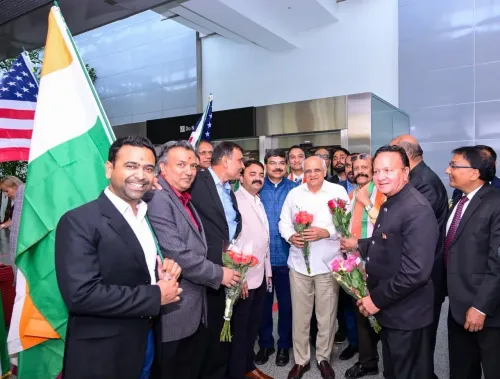
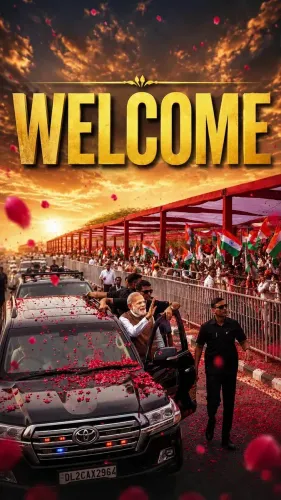
Sanskrit shlokas echoing in Manila, Filipino artists performing the Ramayana — Gujarat Chief Minister Bhupendra Patel on Tuesday, 17 November 2026, saluted the warm reception that the Indian diaspora in the Philippines extended to Prime Minister Narendra Modi, calling it living proof that Bharat's culture travels with every Indian who leaves its shores.
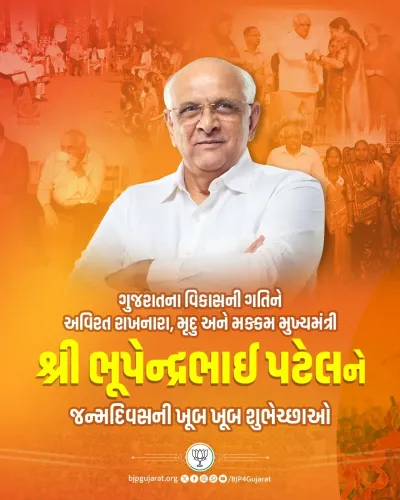
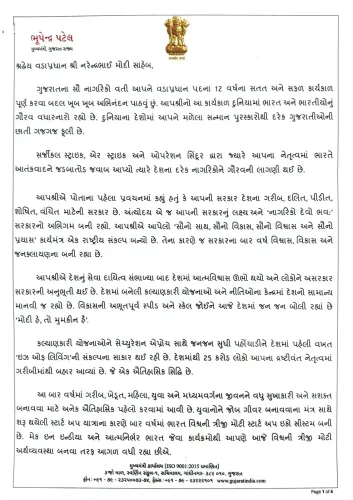
Posting on X, CM Patel wrote: 'Sanskrit shlokas and the Ramayana, thousands of kilometres away in Manila… The affectionate welcome extended to Hon'ble PM Shri Narendra Modi Ji by the Indian diaspora in the Philippines shows that wherever Indians live, Bharat and its culture stay alive in their hearts.' He singled out the Ramayana performance by Filipino artists as 'a beautiful glimpse of the age-old cultural bond between India and the Philippines.'
A 2,000-year-old epic on a Manila stage
The Ramayana is not foreign soil to Southeast Asia. Scholars trace its influence across the region through maritime trade routes that carried Sanskrit texts, storytelling traditions, and temple iconography to what is today the Philippines, Indonesia, Thailand, and beyond. Filipino adaptations — known locally in various forms — have preserved motifs from the original epic for centuries. Seeing those same verses performed as a formal welcome for an Indian prime minister is not coincidence; it is a carefully curated act of cultural memory.Soft power as statecraft: Modi's diaspora playbook
Since 2014, Prime Minister Modi has made diaspora outreach a signature feature of every overseas visit. The pattern is consistent: a stadium or convention-centre reception, shared cultural symbols, and a message broadcast simultaneously to the host nation and to audiences back home. The Manila event fits that template precisely — but it also slots into a larger strategic framework. India's Act East Policy, upgraded in 2014, treats people-to-people links and cultural diplomacy as pillars of engagement with ASEAN partners. The Ramayana is one of the most potent instruments in that toolkit — a text the Philippines already regards as part of its own heritage, not a foreign import. When Filipino artists perform it for an Indian prime minister, the optics dissolve the host-guest distinction entirely. That is precisely the point.What CM Patel's post signals
For a state-level leader like Bhupendra Patel, amplifying a prime minister's diplomatic moment is both an expression of solidarity and a reminder of Gujarat's own deep connection to the Indian diaspora. Gujarat accounts for one of India's largest emigrant communities, and its chief minister's visibility on such occasions reinforces the state's brand as a diaspora-friendly, globally connected polity. The broader question now is whether the cultural warmth on display in Manila translates into concrete outcomes — trade agreements, educational partnerships, or a stronger bilateral agenda at the next ASEAN-India Summit. Culture opens the door. What walks through it next will matter far more.Point of View
Travelling force rather than a museum artefact. It dovetails with India's Act East Policy, where the Ramayana serves as genuine soft-power currency because Southeast Asian nations already claim it as their own heritage. For Gujarat, whose massive emigrant community spans the globe, the chief minister's enthusiasm is also a nod to his own constituency. The real diplomatic test, however, lies in whether the cultural spectacle in Manila seeds tangible bilateral deliverables at the next ASEAN-India Summit.
NationPress
17 Nov 2026
Frequently Asked Questions
Why did Filipino artists perform the Ramayana for PM Modi in Manila?
The Ramayana has deep historical roots in Southeast Asia, including the Philippines, carried there by ancient maritime trade. Performing it for PM Modi was a symbolic gesture affirming centuries-old cultural ties between India and the Philippines, and it aligns with India's strategy of using shared epics as soft-power diplomacy tools during high-level bilateral visits.
What is India's Act East Policy and how does it relate to this visit?
India's Act East Policy, upgraded in 2014, prioritises diplomatic, economic, and cultural engagement with ASEAN nations. Cultural diplomacy — including showcasing shared epics like the Ramayana — is a key pillar. PM Modi's Manila visit and the diaspora reception are consistent expressions of this policy framework.
Who is Gujarat CM Bhupendra Patel and why did he comment on a Philippines visit?
Bhupendra Patel is the Chief Minister of Gujarat and a senior BJP leader. He posted on X to celebrate PM Modi's Manila reception, a common practice among BJP state leaders who amplify the prime minister's diplomatic engagements. Gujarat also has one of India's largest diaspora communities, giving Patel a natural interest in such events.
What is the Indian diaspora's role in PM Modi's overseas visits?
Since 2014, PM Modi has consistently held large diaspora events during foreign visits, using them to strengthen cultural and emotional connections with overseas Indians while also projecting India's global soft power. These events have become a signature element of his bilateral diplomacy.
Does the Philippines have its own version of the Ramayana?
Yes. Filipino literary and performance traditions carry echoes of the Ramayana through centuries of cultural exchange via maritime trade routes. Local adaptations and motifs from the Sanskrit epic have been preserved in various regional forms across Southeast Asia, making the Ramayana a genuinely shared cultural heritage rather than an exclusively Indian text.