Goyal meets Egypt's Infinity Energy chief, eyes EVs and renewables
Synopsis
Commerce Minister Piyush Goyal met Infinity Energy Chairman Mohamed Ismail Mansour to identify collaboration opportunities spanning EVs, renewable energy, fintech and logistics — framing India as a golden destination for Egyptian business investment.
Key Takeaways
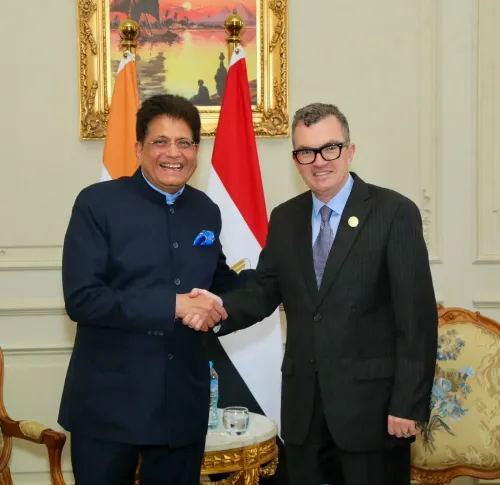
Piyush Goyal met Mohamed Ismail Mansour , Chairman of Egypt's Infinity Energy , on 17 November 2026 to explore India-Egypt business partnerships.
Four priority sectors identified: automotive manufacturing and EVs, fintech and digital payments, renewable energy, and logistics and supply-chain infrastructure .
India's pitch rests on its large and fast-growing market, the Make in India manufacturing ecosystem launched in 2014 , and the International Solar Alliance framework from 2015 .
Egypt is strategically positioned as a gateway into African markets through the African Continental Free Trade Area and the Suez Canal corridor.
Possible follow-up MoUs or investment proposals in the identified sectors are expected at future bilateral trade meetings.
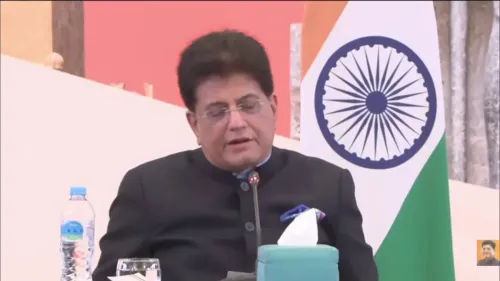
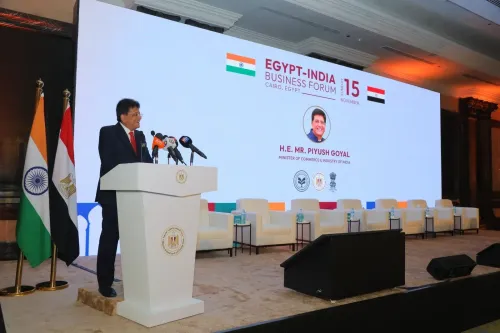
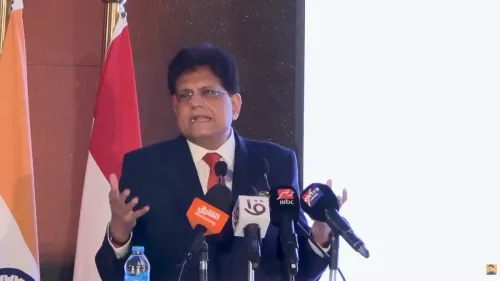
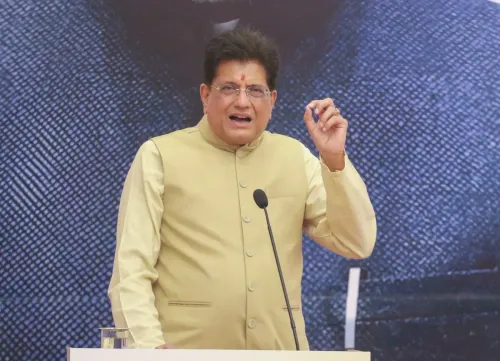
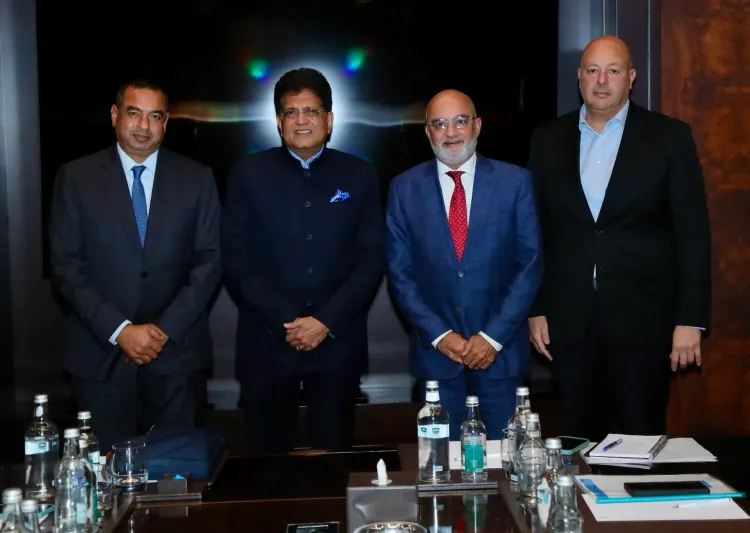
Egypt's leading businesses are looking east — and Union Commerce and Industry Minister Piyush Goyal is rolling out the welcome mat. On Tuesday, 17 November 2026, Goyal met Mr. Mohamed Ismail Mansour, Chairman of Infinity Energy, one of Egypt's prominent energy firms, to explore a clutch of high-potential sectors where the two countries could build lasting commercial partnerships.
Goyal flagged four concrete areas of opportunity: automotive manufacturing, EVs and auto components; fintech and digital payments; renewable energy; and logistics, warehousing and supply-chain infrastructure. The breadth of that list is deliberate — it maps almost exactly onto India's domestic growth agenda, from electric-mobility targets to its push for a net-zero economy and a world-class logistics grid.
Why Infinity Energy and why now
Infinity Energy is a Cairo-headquartered energy company with interests spanning renewables and infrastructure — sectors where India has aggressively courted global capital. The meeting signals that Egyptian private capital, not just state-to-state diplomacy, is now part of the India-Egypt conversation. India and Egypt share diplomatic ties stretching back to the Non-Aligned Movement era, but economic engagement has historically lagged behind the political warmth.
That gap is narrowing. India has ramped up outreach to African economies, viewing Egypt as both a large market in its own right and a strategic gateway into the broader African continent — a region of 1.4 billion consumers and fast-urbanising demand.
Four sectors, one common thread: India's manufacturing pitch
The sector mix Goyal laid out is not accidental. Automotive and EVs anchor India's ambition to become a global manufacturing hub after years of Make in India investment since 2014. Renewable energy — where India co-founded the International Solar Alliance in 2015 — has drawn sovereign wealth funds and private equity from the Gulf and Africa alike. Fintech and digital payments leverage India's UPI-led stack, which has already been exported to several countries. And logistics and supply-chain infrastructure plugs into India's National Logistics Policy, aimed at slashing the country's high freight costs.
Together, they represent a cohesive pitch: partner in India's growth, gain manufacturing depth, and use India as a production and technology base to serve third markets.
Egypt as an African entry point for Indian industry
India's interest in Egypt is partly geographic calculus. As a member of the African Continental Free Trade Area (AfCFTA) and home to the Suez Canal corridor, Egypt offers Indian firms preferential access to African markets alongside a large domestic consumer base of roughly 105 million people. For Infinity Energy, a partnership with Indian renewable or EV players could unlock technology, capital, and a supply chain that Egypt's own energy transition requires.
Possible follow-up investment proposals or memoranda of understanding from Egyptian companies in the identified sectors are expected to surface at future bilateral trade meetings, as both sides formalise the intent signalled in Monday's discussion.
India's door is open. The question is how quickly Egyptian boardrooms decide to walk through it.
Point of View
Renewables and digital payments, India is effectively exporting its own domestic policy priorities — Make in India, the energy transition, and UPI internationalisation — as an investable narrative. Egypt's AfCFTA membership makes it a structurally attractive partner: investment routed through Cairo carries onward access to a continental market that India has struggled to penetrate at scale. If even one of the four flagged sectors produces a credible MoU, the meeting will be remembered as a quiet inflection point in India-Africa economic engagement.
NationPress
17 Nov 2026
Frequently Asked Questions
Who is Mohamed Ismail Mansour and what is Infinity Energy?
Mohamed Ismail Mansour is the Chairman of Infinity Energy, an Egyptian energy company with interests in renewables and infrastructure. He met Commerce Minister Piyush Goyal in November 2026 to explore potential business collaborations with India.
What sectors did Piyush Goyal discuss with Egypt's Infinity Energy?
The two sides discussed four sectors: automotive manufacturing and EVs, fintech and digital payments, renewable energy, and logistics, warehousing and supply-chain infrastructure.
Why is India pursuing business ties with Egypt?
India sees Egypt as a large market of over 105 million people and a gateway into Africa through the African Continental Free Trade Area. The engagement also fits India's broader strategy of diversifying trade and investment relationships beyond traditional partners.
What is the Make in India initiative and how does it relate to this meeting?
Make in India was launched in 2014 to attract foreign investment into Indian manufacturing. The sectors flagged in Goyal's meeting with Infinity Energy — EVs, renewables, logistics — are core to this initiative.
Will there be any formal agreements between India and Egypt following this meeting?
No formal agreements have been announced yet. Follow-up investment proposals or MoUs from Egyptian companies in the discussed sectors are expected to emerge at future bilateral trade meetings.