CM Bhupendra Patel inaugurates HAEMATOCON 2026 in Ahmedabad
Synopsis
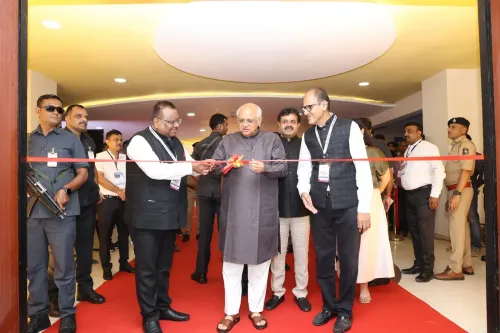
Chief Minister Bhupendra Patel inaugurated HAEMATOCON 2026, the 67th annual conference of the Indian Society of Haematology and Blood Transfusion, in Ahmedabad on 14 November 2026, calling it a platform for knowledge and research aligned with PM Modi's Viksit Bharat vision.
Key Takeaways
HAEMATOCON 2026 is the 67th Annual Conference of the Indian Society of Haematology and Blood Transfusion, held in Ahmedabad .
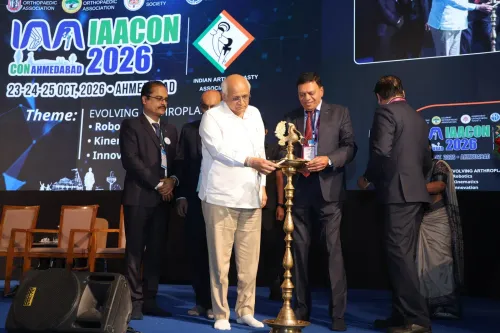
Chief Minister Bhupendra Patel performed the inauguration and unveiled the organisation's souvenir at the event.
CM Patel described the conference as a convergence of 'knowledge, science, and research for the protection of human life.' The event was framed within PM Narendra Modi's Viksit Bharat vision of building a developed India through a healthy society by 2047 .
The conference draws haematologists, blood disorder specialists, and clinical researchers from across India.
Gujarat has increasingly hosted national-level health and scientific conferences as part of its research infrastructure push.
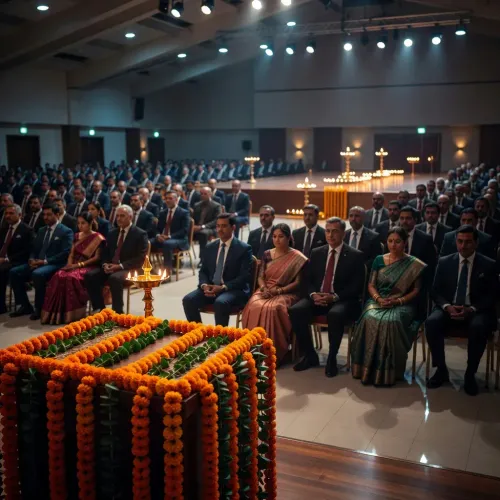
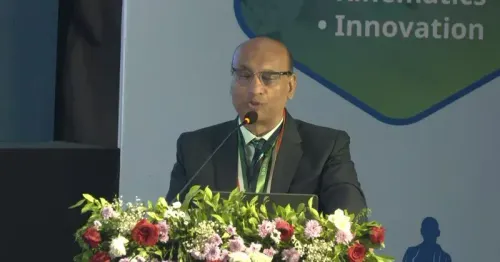
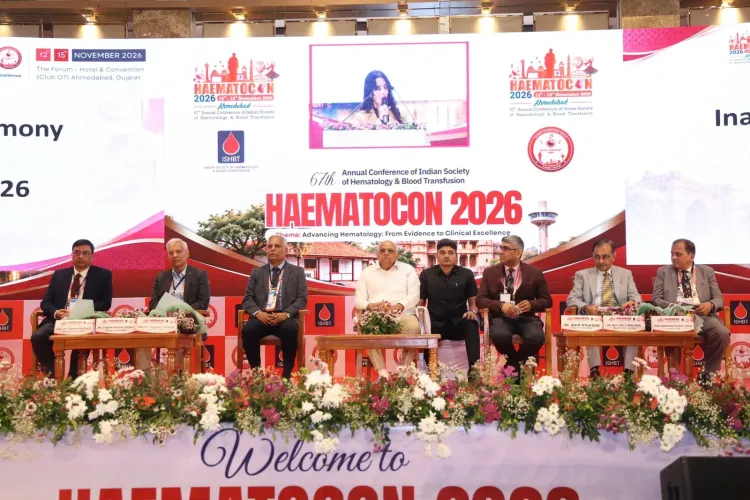
A national gathering of blood specialists opened in Ahmedabad on Saturday, 14 November 2026, as Chief Minister Bhupendra Patel inaugurated the 67th Annual Conference of the Indian Society of Haematology and Blood Transfusion — branded HAEMATOCON 2026 — marking one of India's premier medical forums for haematology and transfusion medicine.
What CM Patel said at the inaugural
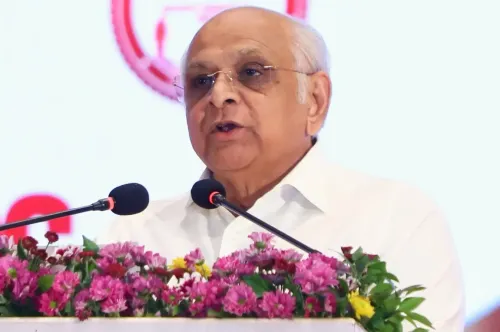
Addressing the gathering, CM Patel framed the conference as a platform that would give 'new direction' to Prime Minister Narendra Modi's resolve to build a Viksit Bharat (Developed India) through the creation of a healthy society. He described HAEMATOCON 2026 as a convergence of 'knowledge, science, and research for the protection of human life' — a formulation that positioned the annual academic event within the broader national development narrative. The Chief Minister also unveiled the organisation's souvenir at the ceremony, a customary gesture at major professional conclaves.
HAEMATOCON 2026 and the ISHBT's role in Indian medicine
The Indian Society of Haematology and Blood Transfusion (ISHBT) is the country's apex professional body for specialists working in blood disorders and transfusion science. Its annual conference rotates across Indian cities, drawing haematologists, oncologists, and clinical researchers to exchange findings on conditions ranging from thalassaemia and sickle-cell disease to leukaemia and bleeding disorders. Hosting the 67th edition in Ahmedabad continues Gujarat's recent pattern of anchoring national-level health and scientific meetings — a pattern state officials have linked to improving research infrastructure.
Health policy backdrop: Ayushman Bharat to Viksit Bharat
The inauguration lands against a well-established policy arc. The Ayushman Bharat Pradhan Mantri Jan Arogya Yojana, launched in 2018, extended health coverage to low-income families and brought specialised care — including haematological conditions — within the ambit of public health financing. The National Health Policy of 2017 had earlier set the direction, emphasising universal access, preventive care, and investment in medical research. CM Patel's remarks at the conference explicitly connected these threads to the Viksit Bharat target of a fully developed India by 2047.
For the haematology community, the political attention is more than ceremonial. Specialised conferences that receive state-level patronage often find it easier to attract research funding, clinical trial participation, and inter-institutional collaboration — outcomes that can translate into updated clinical guidelines and improved patient outcomes for the millions of Indians living with blood disorders.
Whether HAEMATOCON 2026 produces landmark research declarations or new state health commitments will become clear in the sessions ahead — but the signal from Gandhinagar is unambiguous: Gujarat is positioning itself as a node in India's medical-research ambitions.
Point of View
CM Patel reinforces the BJP's dual-track messaging: crediting central health schemes while demonstrating Gujarat's role as an implementation leader. For the haematology community, the optics of high-level political patronage can translate into tangible gains — easier access to state research grants and greater visibility for blood disorder programmes. The real test will be whether policy announcements or funding commitments follow the inaugural ceremony in the conference's working sessions.
NationPress
14 Nov 2026
Frequently Asked Questions
What is HAEMATOCON 2026?
HAEMATOCON 2026 is the 67th Annual Conference of the Indian Society of Haematology and Blood Transfusion, held in Ahmedabad. It is a national forum for haematologists, transfusion medicine specialists, and clinical researchers to share advances in blood science.
Who inaugurated HAEMATOCON 2026?
Gujarat Chief Minister Bhupendra Patel inaugurated HAEMATOCON 2026 in Ahmedabad on 14 November 2026. He also unveiled the organisation's souvenir at the event.
What is the Indian Society of Haematology and Blood Transfusion?
The Indian Society of Haematology and Blood Transfusion (ISHBT) is India's apex professional body for specialists in blood disorders and transfusion medicine. It organises an annual national conference to advance research and clinical practice in the field.
What is the Viksit Bharat vision CM Patel mentioned?
Viksit Bharat — meaning 'Developed India' — is PM Narendra Modi's goal of making India a fully developed nation by 2047. Health sector strengthening, including universal coverage and medical research, is a key pillar of this vision.
Why is Ahmedabad hosting major medical conferences?
Ahmedabad is Gujarat's largest city and has emerged as a frequent venue for national health and scientific conferences. The state government has actively promoted this role as part of building research and medical infrastructure aligned with national development goals.