CM Bhupendra Patel Inaugurates Nomadic Community Hostel in Gandhinagar
Synopsis
Chief Minister Bhupendra Patel inaugurated the Shanti Niwas Hostel for nomadic-community students and laid the foundation stone of Vallabh Vidya Vihar School at Pansar, Gandhinagar on 5 July 2026, under a public-private partnership between the Gujarat government, Vicharta Samuday Samarthan Manch, and Dr. K.R. Shroff Foundation.
Key Takeaways
Chief Minister Bhupendra Patel inaugurated the Shanti Niwas Hostel at Pansar, Kalol taluka, Gandhinagar district on 5 July 2026 .
The hostel is jointly operated by the Vicharta Samuday Samarthan Manch and the Dr.
Shroff Foundation , targeting students from nomadic and denotified communities.
The foundation stone of Vallabh Vidya Vihar School was also laid at the same site during the event.
The project follows Gujarat's established model of public-private partnerships for nomadic-tribe educational infrastructure, active since the 2010s.
The Gandhinagar district location aligns with the state's practice of placing model social-sector facilities near the administrative capital for better oversight.
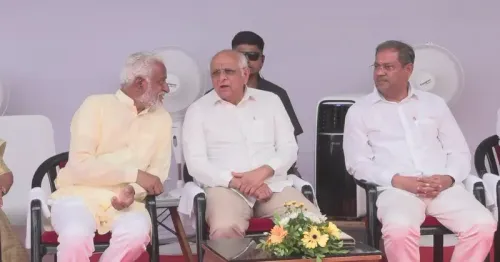
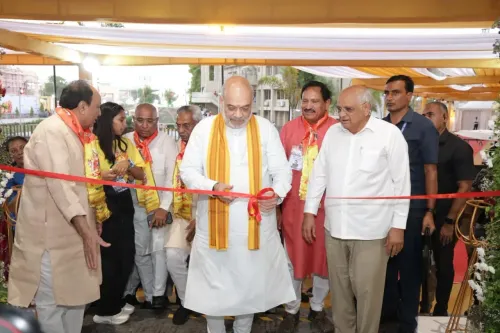
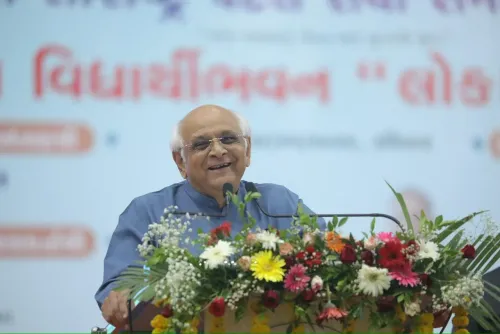
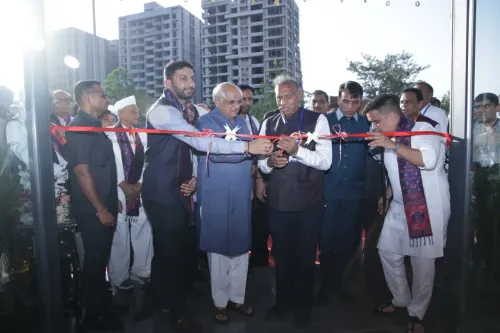
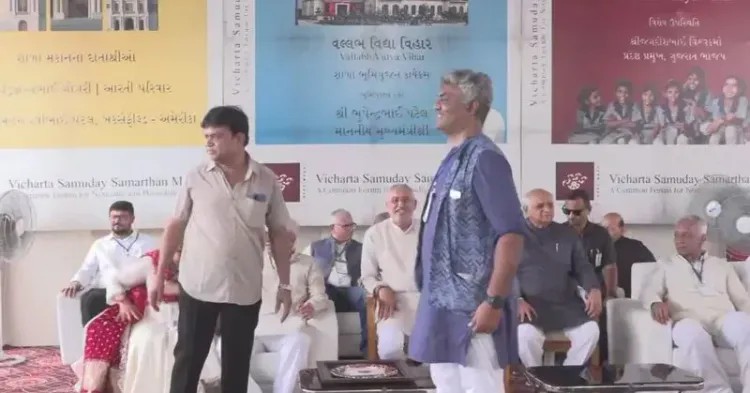
The Chief Minister's Office of Gujarat announced on Sunday, 5 July 2026, that Chief Minister Bhupendra Patel inaugurated the Shanti Niwas Hostel — a residential facility for students from nomadic communities, operated jointly by the Vicharta Samuday Samarthan Manch and the Dr. K.R. Shroff Foundation — and laid the foundation stone of Vallabh Vidya Vihar School at Pansar, Taluka Kalol, Gandhinagar district.
Context
The Gujarati-language post from the official CMO account announced the event as a live broadcast, describing it as 'Vicharta Samuday Samarthan Manch ane Dr. K.R. Shroff Foundation sanchalit Shanti Niwas Hostelnu lokarpan ane Vallabh Vidya Vihar Shalanun bhumipujan' — the inauguration of the Shanti Niwas Hostel and the ground-breaking of Vallabh Vidya Vihar School, both conducted under the auspices of Chief Minister Bhupendra Patel. The venue is located on the Pansar-Dhamasana Road, Pansar, in Gandhinagar district.
The Vicharta Samuday Samarthan Manch is a Gujarat-based NGO focused on the welfare and development of nomadic and denotified communities — historically marginalised groups who have long faced barriers to stable education and housing. The Dr. K.R. Shroff Foundation is a charitable body with an established track record in education and community infrastructure projects across the state.
Policy Backdrop
Gujarat has maintained a policy of partnering with civil-society organisations since the 2010s to build residential hostels for students from nomadic and denotified tribes, channelling state welfare commitments through NGO-run facilities. The Shanti Niwas Hostel fits squarely within this public-private partnership model, providing a residential base that allows children from wandering communities to access uninterrupted schooling.
The choice of Gandhinagar district — the state capital region — for such a model facility reflects a broader pattern of locating flagship social-sector projects near administrative centres, where oversight, resource allocation, and connectivity are stronger. The simultaneous foundation-stone laying for Vallabh Vidya Vihar School signals an intent to build an integrated campus combining residential and academic infrastructure on the same site.
Stakeholders and Impact
The primary beneficiaries are children and young students from Gujarat's nomadic and denotified communities, who traditionally lack fixed addresses and therefore struggle to enrol in and attend regular schools. A dedicated hostel removes the single largest barrier — stable accommodation — enabling continuous academic participation.
Rural students in and around Kalol taluka stand to benefit from the upcoming Vallabh Vidya Vihar School, which, once constructed, will add schooling capacity in an area that serves both the village population and the hostel's residential students. Both the Vicharta Samuday Samarthan Manch and the Dr. K.R. Shroff Foundation gain a strengthened institutional presence through the state's formal endorsement at the Chief Minister level.
What's Next
Attention will now turn to the pace of construction and operationalisation of Vallabh Vidya Vihar School, as well as any supplementary budget provisions for nomadic-tribe education that the Gujarat government may announce in its next state budget cycle. Advocates for denotified and nomadic tribes will also watch whether the Shanti Niwas model is replicated in other districts, particularly those with high concentrations of wandering communities.
If the partnership between the state, the Vicharta Samuday Samarthan Manch, and the Dr. K.R. Shroff Foundation yields measurable enrolment and retention outcomes at Pansar, it could serve as a template for scaling similar integrated hostel-school campuses across Gujarat — and potentially inform national policy on nomadic-tribe welfare.
Point of View
A step beyond standalone hostels. Situated in Gandhinagar district, the project fits a broader pattern of concentrating model schemes near the state capital where monitoring is easier and media visibility higher. The real test of intent will come in whether similar facilities are commissioned in districts with larger nomadic populations, away from the administrative spotlight.
NationPress
5 Jul 2026
Frequently Asked Questions
What is the Shanti Niwas Hostel inaugurated by CM Bhupendra Patel?
The Shanti Niwas Hostel is a residential facility for students from nomadic and denotified communities, jointly operated by the Vicharta Samuday Samarthan Manch and the Dr. K.R. Shroff Foundation, inaugurated at Pansar, Gandhinagar district, on 5 July 2026.
Where is the Shanti Niwas Hostel located?
The hostel is located on Pansar-Dhamasana Road, Pansar village, Kalol taluka, Gandhinagar district, Gujarat.
What is the Vicharta Samuday Samarthan Manch?
The Vicharta Samuday Samarthan Manch is a Gujarat-based NGO dedicated to the support and development of nomadic and denotified communities, including facilitating access to education and housing.
What is Vallabh Vidya Vihar School and when will it open?
Vallabh Vidya Vihar School is a proposed school at the Pansar site whose foundation stone was laid by CM Bhupendra Patel on 5 July 2026. Its construction timeline and operational start date have not been officially announced yet.
How does Gujarat support nomadic community education?
Gujarat has partnered with NGOs since the 2010s to build residential hostels and schools for nomadic and denotified tribes under state welfare programmes, using a public-private partnership model where the government provides political backing and NGOs handle day-to-day operations.