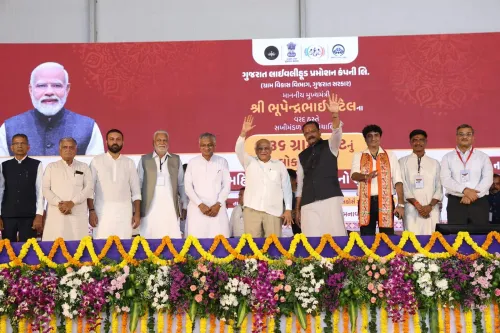
CM Bhupendra Patel Launches 136 Gram Haats in Rajkot
Synopsis
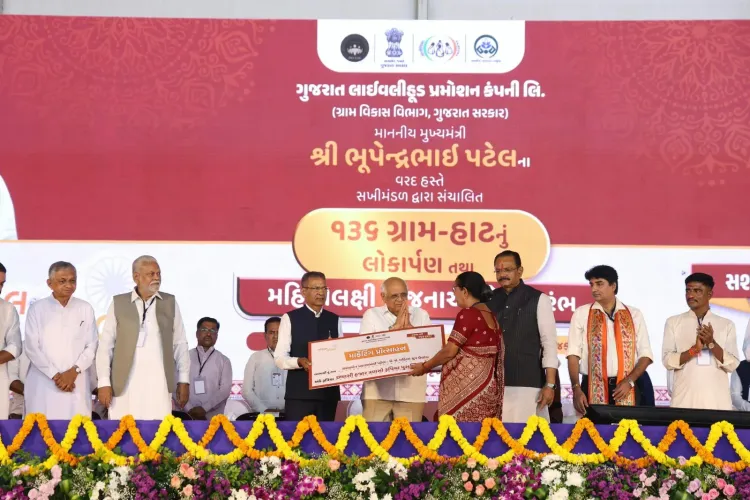
Gujarat Chief Minister Bhupendra Patel inaugurated 136 Gram Haats in Rajkot on October 10, 2026, distributed state welfare benefits to women beneficiaries, and handed out free residential plot certificates to nomadic and denotified community families.
Key Takeaways
136 Gram Haats were inaugurated in Rajkot on October 10, 2026 by CM Bhupendra Patel .
Women beneficiaries of multiple state welfare schemes received direct benefit distributions at the event.
Families from Vicharta-Vimukt (nomadic and denotified) communities received free residential plot allotment certificates (sanads).
The event was framed as a celebration of women's empowerment — Narishakti na Samarthyano Utsav .
The ceremony was held in Rajkot , a key Saurashtra commercial hub with significant electoral importance in Gujarat.
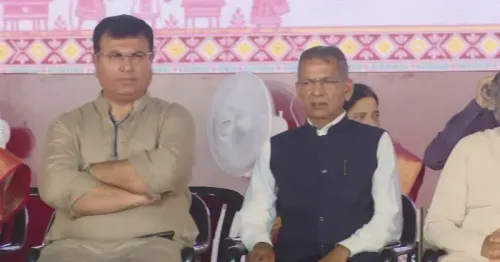
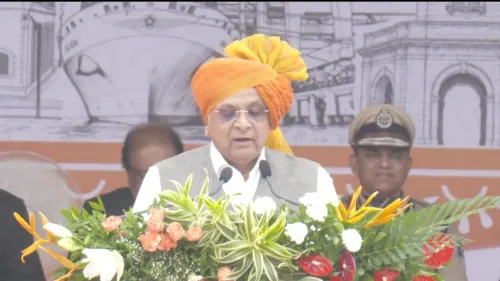
Women's enterprise took centre stage in Rajkot on Saturday, October 10, 2026, as Gujarat Chief Minister Bhupendra Patel inaugurated 136 Gram Haats — village-level market hubs — and formally launched a cluster of women-focused welfare initiatives, channelling government benefits directly to beneficiary women across the region.
136 Gram Haats go live across Gujarat villages
The gram haats — grassroots marketplaces designed to give rural women artisans and self-help group members a direct selling platform — were inaugurated in a single ceremony, signalling a broad push to wire village-level commerce into the formal economy. Chief Minister Patel distributed the benefits owed to women beneficiaries of multiple state welfare schemes at the event, putting entitlements in hand rather than on paper.
Free plots for Vicharta-Vimukt families: a settlement push
Alongside the market launches, CM Patel distributed land-allotment certificates granting free residential plots to families from Vicharta-Vimukt (nomadic and denotified) communities — groups historically denied stable land tenure. The sanads, or official grant documents, represent a direct state commitment to permanent housing for some of Gujarat's most marginalised households. For communities that have lived without fixed addresses for generations, a registered plot is more than land — it is identity, legal standing, and access to every welfare pipeline that requires a permanent address.
Women-focused initiatives anchored in Rajkot
Rajkot, Gujarat's fourth-largest city and a significant commercial hub in Saurashtra, served as the backdrop for what the Chief Minister framed as a Narishakti na Samarthyano Utsav — 'a celebration of the power of women.' The event bundled market infrastructure, welfare transfers, and land rights into one programme, a format that maximises political visibility while compressing implementation timelines for disparate schemes.
The convergence of gram haat launches with housing rights for nomadic families and direct benefit transfers to women suggests a coordinated outreach cycle aimed at Saurashtra's rural and semi-urban constituencies — a region that carries significant electoral weight within Gujarat.
When markets, land deeds, and welfare cheques arrive together in a single ceremony, the message to voters is unmistakable: the state delivers. Whether those 136 Gram Haats translate into sustained income for rural women will depend on the supply chains, digital payment infrastructure, and marketing linkages built behind them — the harder work that follows every ribbon-cutting.
Point of View
Direct benefit transfers, and housing rights for nomadic communities into a single Rajkot ceremony reflects a well-worn BJP playbook of compressing welfare delivery and political messaging into one high-visibility event. Saurashtra has historically been a swing zone in Gujarat politics, and a cluster outreach of this scale signals the ruling party's intent to consolidate rural and marginalised-community support well ahead of any electoral cycle. The inclusion of Vicharta-Vimukt families — a constituency with virtually no formal land ownership history — is particularly notable, as it extends the 'housing for all' narrative to communities that even mainstream welfare programmes have struggled to reach. The gram haat model's long-term success, however, will hinge on whether market linkages and digital infrastructure follow the ceremonial launches.
NationPress
10 Oct 2026
Frequently Asked Questions
What are Gram Haats and why were 136 launched in Rajkot?
Gram Haats are government-supported village-level marketplaces that give rural women artisans and self-help group members a platform to sell their products directly. Gujarat CM Bhupendra Patel inaugurated 136 of them in Rajkot on October 10, 2026, as part of a broader women-focused welfare initiative in Saurashtra.
Who are the Vicharta-Vimukt communities and what benefit did they receive?
Vicharta-Vimukt refers to nomadic and denotified tribal communities in Gujarat who have historically lacked fixed land tenure. At the Rajkot event, CM Patel distributed sanads — official certificates granting free residential plots — to families from these communities to provide permanent housing.
What welfare benefits were distributed to women at the Rajkot event?
CM Bhupendra Patel distributed benefits owed to women beneficiaries of multiple state government welfare schemes at the Rajkot ceremony on October 10, 2026. Specific scheme names were not detailed in the official post.
What is the significance of holding this event in Rajkot?
Rajkot is Gujarat's fourth-largest city and the commercial hub of the Saurashtra region, which carries significant political weight in state elections. Holding a large-scale women's welfare and gram haat launch there reflects the government's focus on Saurashtra's rural and semi-urban voter base.
What does 'Narishakti na Samarthyano Utsav' mean?
The Gujarati phrase translates to 'a celebration of the power and capability of women.' It was the theme framing CM Bhupendra Patel's October 10 event in Rajkot, which combined market infrastructure launches, welfare transfers, and housing rights for marginalised communities.