CM Bhupendra Patel launches Namo Swachhata Abhiyan from Gandhinagar
Synopsis
Gujarat Chief Minister Bhupendra Patel inaugurated the statewide 'Namo Swachhata Abhiyan' from Gandhinagar on 1 July 2026. The campaign extends Gujarat's commitment to the Swachh Bharat Mission framework, mobilising urban local bodies and residents across all districts in a renewed sanitation drive.
Key Takeaways
Gujarat CM Bhupendra Patel attended the statewide launch of the Namo Swachhata Abhiyan from Gandhinagar on 1 July 2026 .
The campaign is a state-level cleanliness drive aligned with the national Swachh Bharat Mission , launched originally on 2 October 2014 .
The abhiyan's name references Prime Minister Narendra Modi , consistent with BJP-ruled states branding initiatives to align with central government priorities.
Urban local bodies and district administrations across Gujarat are expected to coordinate the statewide rollout.
District-level implementation, budget allocations, and sanitation performance metrics will be key indicators of the campaign's reach and impact.
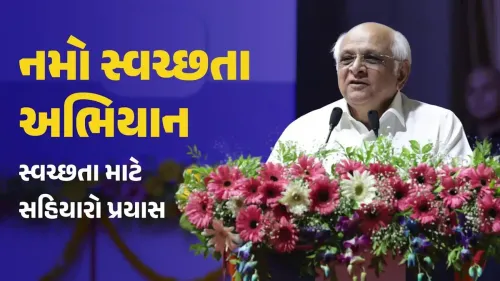
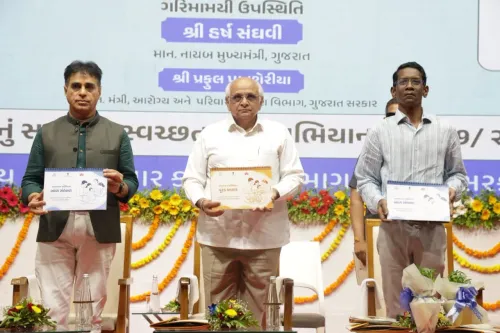
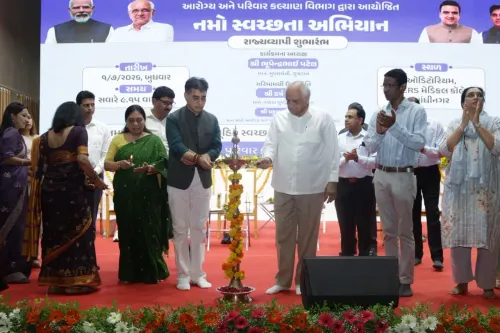
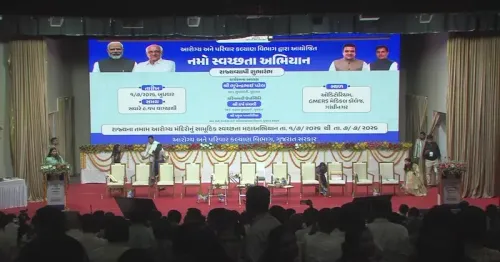
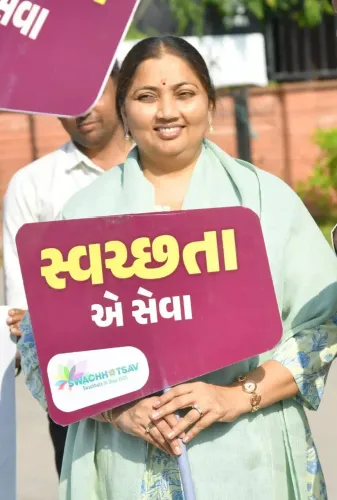
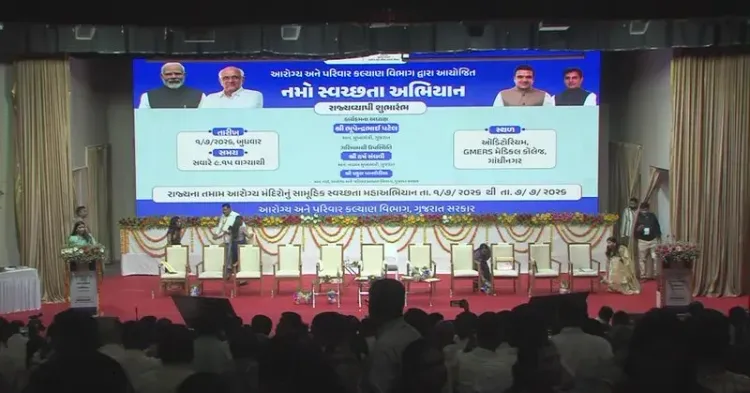
Gujarat Chief Minister Bhupendra Patel attended the statewide launch of the 'Namo Swachhata Abhiyan' from Gandhinagar on Wednesday, 1 July 2026, marking the beginning of a state-level cleanliness drive across Gujarat.
Context
Patel shared a live broadcast of the event on social media, writing in Gujarati: 'Namo Swachhata Abhiyaan'na Gandhinagar khathee rajyavyapi shubharambh avasare upasthiti ('Attending the statewide inauguration of the Namo Swachhata Abhiyan from Gandhinagar'). The event signals a coordinated, state-wide mobilisation on sanitation, with Gandhinagar — Gujarat's capital — serving as the ceremonial launch point.
The campaign's name draws a direct reference to Prime Minister Narendra Modi, reflecting a broader pattern in BJP-governed states of aligning state-level cleanliness initiatives with the branding and priorities of the central government.
Policy Backdrop
The Namo Swachhata Abhiyan builds on the foundation of the Swachh Bharat Mission, India's flagship national sanitation programme launched on 2 October 2014 by Prime Minister Modi to eliminate open defecation and improve solid waste management across urban and rural India.
Gujarat has consistently participated in national cleanliness rankings and has hosted multiple state-level drives under the Swachh Bharat framework. State-branded campaigns such as this one are part of an ongoing effort to sustain behavioural change and waste management outcomes beyond the mission's initial 2019 completion target.
Bhupendra Patel, who has served as Chief Minister since September 2021, has continued to align Gujarat's governance priorities with central government schemes in areas of public health, urban infrastructure, and sanitation.
Stakeholders and Impact
The primary beneficiaries of the drive are Gujarat's residents, particularly in urban areas where waste management and cleanliness infrastructure are administered by urban local bodies. A statewide rollout implies coordination across all of Gujarat's districts, engaging municipal corporations, gram panchayats, and community volunteers.
Such campaigns typically involve door-to-door outreach, public cleanliness events, and awareness drives targeting both waste segregation habits and open defecation-free status maintenance. The involvement of the Chief Minister at the inaugural event underscores the political priority being placed on the abhiyan.
What's Next
Attention will now turn to the district-level rollout of the Namo Swachhata Abhiyan and whether the state government announces dedicated budget allocations, performance benchmarks, or timelines for the campaign. Measurable sanitation indicators — including cleanliness rankings, waste processing capacity, and open defecation-free village counts — are likely to be used to assess the initiative's progress. The launch sets the stage for Gujarat to position itself as a model state in sustained sanitation governance ahead of future national assessments.
Point of View
Reinforcing the BJP's political messaging around sanitation as a development credential. By branding the campaign with a reference to Prime Minister Modi, the Patel administration signals continuity with central priorities while claiming state-level ownership of the cleanliness agenda. This pattern of co-branding is common across BJP-ruled states and serves both administrative and electoral purposes, keeping sanitation visible as a governance achievement. The real test will be whether the abhiyan produces measurable improvements in waste management and cleanliness rankings, or remains primarily a mobilisation exercise.
NationPress
1 Jul 2026
Frequently Asked Questions
What is the Namo Swachhata Abhiyan in Gujarat?
The Namo Swachhata Abhiyan is a statewide cleanliness campaign launched by Gujarat Chief Minister Bhupendra Patel from Gandhinagar on 1 July 2026, building on the national Swachh Bharat Mission framework to promote sanitation and waste management across the state.
Where was the Namo Swachhata Abhiyan launched?
The statewide launch of the Namo Swachhata Abhiyan took place in Gandhinagar, the capital city of Gujarat, on 1 July 2026.
What is the Swachh Bharat Mission and how does it relate to this campaign?
The Swachh Bharat Mission is India's flagship national sanitation programme launched on 2 October 2014 by Prime Minister Narendra Modi. The Namo Swachhata Abhiyan is a Gujarat state-level initiative that continues the goals of that national mission, focusing on sustained cleanliness and waste management.
Who is Gujarat Chief Minister Bhupendra Patel?
Bhupendra Patel is a BJP leader who has served as Chief Minister of Gujarat since September 2021, overseeing the state's development, sanitation, and urban governance programmes.
What happens after the launch of the Namo Swachhata Abhiyan?
Following the Gandhinagar launch, the campaign is expected to roll out across all of Gujarat's districts through urban local bodies and gram panchayats, with sanitation performance metrics and potential budget allocations to be announced by the state government.