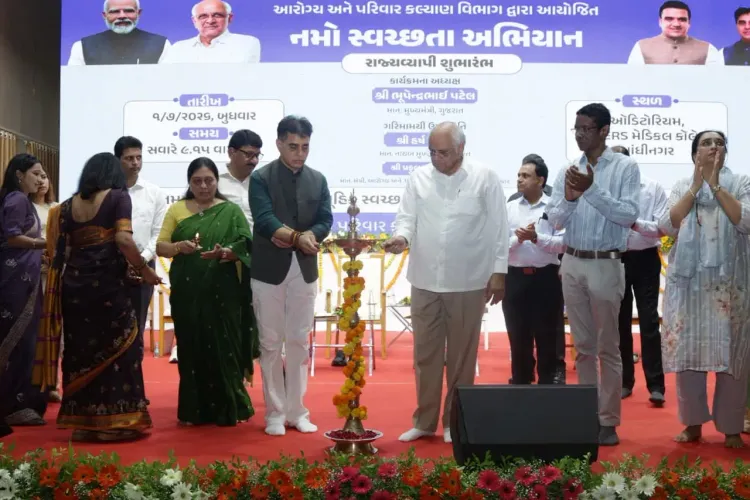
CM Bhupendra Patel Launches Namo Swachhata Abhiyan on Doctor's Day
Synopsis
On National Doctor's Day, Gujarat CM Bhupendra Patel launched the Namo Swachhata Abhiyan to clean roughly 12,000 government health facilities statewide, alongside the Amrutpaan Abhiyan promoting breastfeeding awareness among new mothers across Gujarat.
Key Takeaways
Gujarat CM Bhupendra Patel launched the Namo Swachhata Abhiyan on 1 July 2026 , National Doctor's Day.
The drive will cover approximately 12,000 government health institutions across Gujarat.
Activities include campus and building cleaning, disposal of unused materials, clean drinking water access, and fire safety inspections.
The Amrutpaan Abhiyan , a state-wide breastfeeding awareness campaign for new mothers, was simultaneously inaugurated.
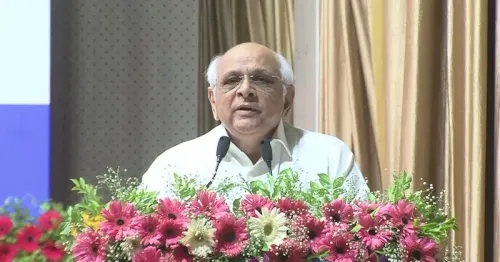
CM Patel interacted with healthcare workers at the launch, calling on all citizens to contribute to a 'clean and healthy Gujarat'.
The campaigns align with the national Swachh Bharat Mission and National Health Mission frameworks.
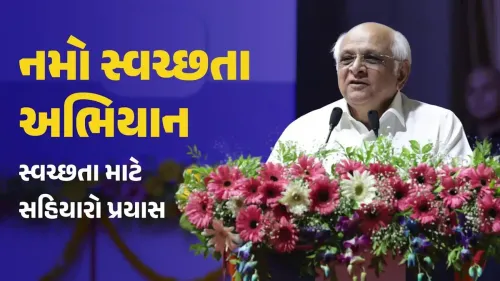
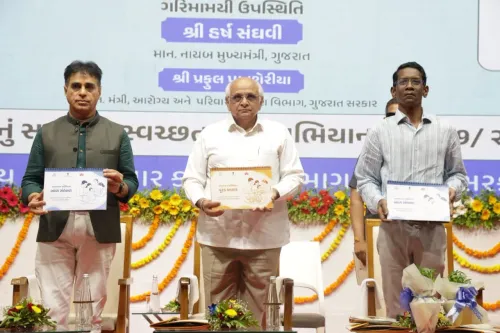
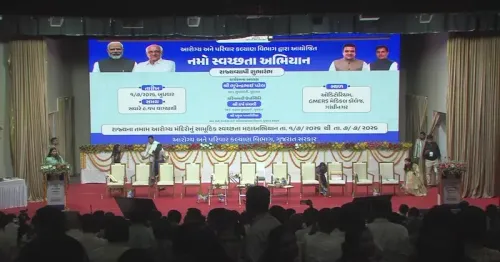
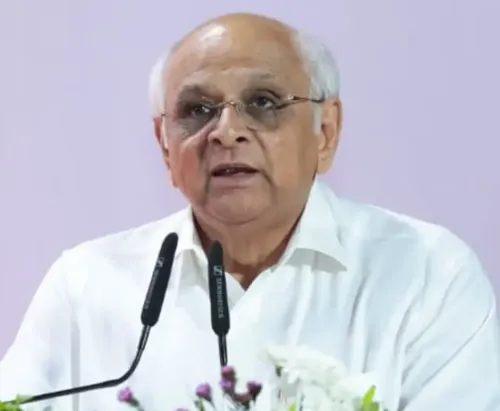
Gujarat Chief Minister Bhupendra Patel on Wednesday, 1 July 2026, launched the Namo Swachhata Abhiyan — a state-wide cleanliness drive targeting government health facilities — on the occasion of National Doctor's Day. The Chief Minister also interacted with healthcare workers during the event and simultaneously inaugurated the Amrutpaan Abhiyan, a state-wide breastfeeding awareness campaign.
Context
National Doctor's Day is observed every year on 1 July across India to honour the birth anniversary of eminent physician and former West Bengal Chief Minister Dr. Bidhan Chandra Roy. This year, the Gujarat Health Department used the occasion to formally launch two parallel public health initiatives, framing the day as an opportunity to renew commitment to cleaner and healthier public medical infrastructure.
CM Patel, posting in Gujarati on X, described his interaction with health workers as 'khub harshpurna' (deeply joyful) and called on citizens to collectively contribute to building a 'clean and healthy Gujarat' — 'swachh ane swasth Gujarat'.
Policy Backdrop
The Namo Swachhata Abhiyan is set to cover approximately 12,000 government health institutions across Gujarat. Planned activities include cleaning of hospital campuses, terraces, and buildings; disposal of unused materials; ensuring access to clean drinking water; and intensive fire safety inspections.
The drive draws from the lineage of the national Swachh Bharat Mission, launched in 2014, which extended cleanliness mandates to public institutions including hospitals. Gujarat's state health policy has incorporated periodic cleanliness drives in government medical facilities since at least 2016, making this campaign a continuation of an established administrative pattern.
The Amrutpaan Abhiyan — centred on promoting breastfeeding — reflects a parallel strand of maternal and child health policy. CM Patel underscored that mother's milk is 'amrit saman' (equivalent to nectar) for the healthy development of newborns, framing the campaign as a public awareness push across the state.
Stakeholders and Impact
The primary beneficiaries of the Namo Swachhata Abhiyan are patients and staff at Gujarat's roughly 12,000 government health facilities, ranging from district hospitals to primary health centres. Improved hygiene conditions in these institutions directly affect infection control and patient safety outcomes.
The Amrutpaan Abhiyan targets new mothers and their families, with healthcare workers serving as the frontline communicators of the breastfeeding message. Both campaigns position Gujarat's health workforce as active participants rather than passive recipients of the initiative, consistent with the CM's emphasis on dialogue with health workers during the launch event.
The dual launch also aligns with the broader pattern seen in BJP-governed states of combining Swachh Bharat-linked hygiene drives with maternal and child health messaging — linking state-level action to central government programme priorities under the National Health Mission.
What's Next
The rollout of the Namo Swachhata Abhiyan across 12,000 facilities will be a key metric to watch, with progress reports and hospital hygiene indicators expected to follow in the coming weeks. Participation levels among health workers and measurable follow-up data from the Amrutpaan Abhiyan will indicate the campaigns' on-ground reach.
If sustained, these initiatives could strengthen Gujarat's positioning in national public health rankings and set a template for similar combined cleanliness-and-awareness drives in other states ahead of the next cycle of National Health Mission assessments.
Point of View
CM Patel reinforces the BJP's 'governance-as-seva' narrative ahead of any potential electoral cycle. The scale cited — 12,000 facilities — signals ambition, though the absence of a defined budget or independent monitoring framework means impact will depend heavily on bureaucratic follow-through. Sustained reporting on hygiene indicators and breastfeeding uptake will be the real test of whether this is a durable policy push or a well-timed ceremonial launch.
NationPress
1 Jul 2026
Frequently Asked Questions
What is the Namo Swachhata Abhiyan in Gujarat?
The Namo Swachhata Abhiyan is a Gujarat Health Department campaign launched on 1 July 2026 to carry out large-scale cleanliness drives across approximately 12,000 government health institutions in the state, covering hospital buildings, terraces, drinking water access, and fire safety checks.
Why was the Namo Swachhata Abhiyan launched on 1 July?
1 July is observed as National Doctor's Day in India, marking the birth anniversary of Dr. Bidhan Chandra Roy. Gujarat CM Bhupendra Patel chose the occasion to launch the campaign as a tribute to healthcare workers and to renew focus on public health infrastructure.
What is the Amrutpaan Abhiyan launched by Gujarat CM?
The Amrutpaan Abhiyan is a state-wide breastfeeding awareness campaign launched alongside the Namo Swachhata Abhiyan, aimed at educating new mothers about the importance of breastfeeding for the healthy development of newborns.
How many hospitals are covered under Gujarat's Namo Swachhata Abhiyan?
According to CM Bhupendra Patel's post, approximately 12,000 government health institutions across Gujarat are to be covered under the Namo Swachhata Abhiyan cleanliness drive.
Is Namo Swachhata Abhiyan connected to Swachh Bharat Mission?
Yes, the Namo Swachhata Abhiyan draws from the framework of the national Swachh Bharat Mission launched in 2014, which extended cleanliness and sanitation mandates to public institutions including government hospitals.