CM Bhupendra Patel Releases Rs 3,850 Cr for Gujarat Urban Bodies
Synopsis
Gujarat Chief Minister Bhupendra Patel disbursed Rs 3,850 crore to the state's municipal corporations and nagarpalikas from Gandhinagar on August 11, directing urban bodies to prioritise quality infrastructure, inter-departmental coordination, cleanliness, and green cover expansion.
Key Takeaways
Rs 3,850 crore in cheques were handed over to Gujarat's municipal corporations and nagarpalikas from Gandhinagar on August 11, 2026 .
Chief Minister Bhupendra Patel directed both elected representatives and administrative wings to ensure quality in every development project.
All departments were urged to work in a coordinated, planned manner — avoiding the duplication and delays that come from siloed functioning.
Maintaining cleanliness and expanding green cover in cities and towns were flagged as top civic priorities.
The disbursal follows Gujarat's established pattern of periodic grant releases to urban local bodies for civic infrastructure.
Utilisation and physical progress reports will be the key measure of whether the funds deliver on-ground impact.
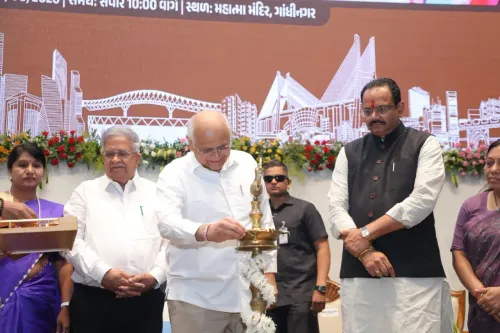
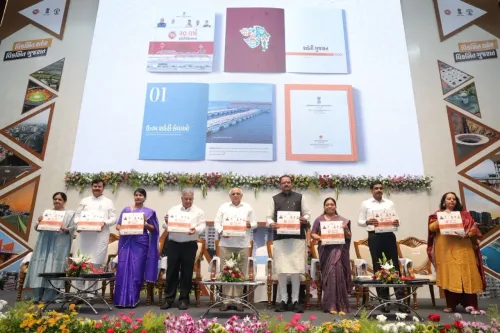
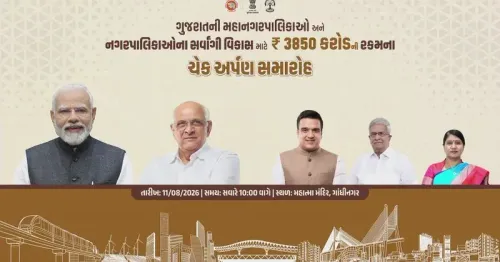
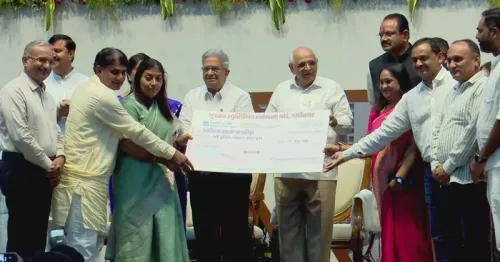
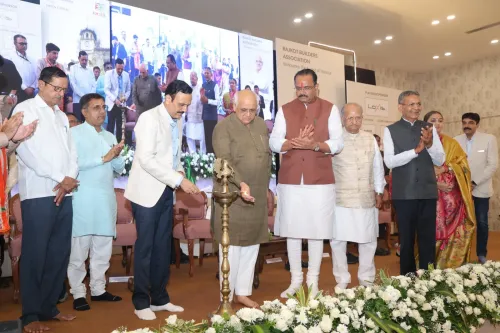
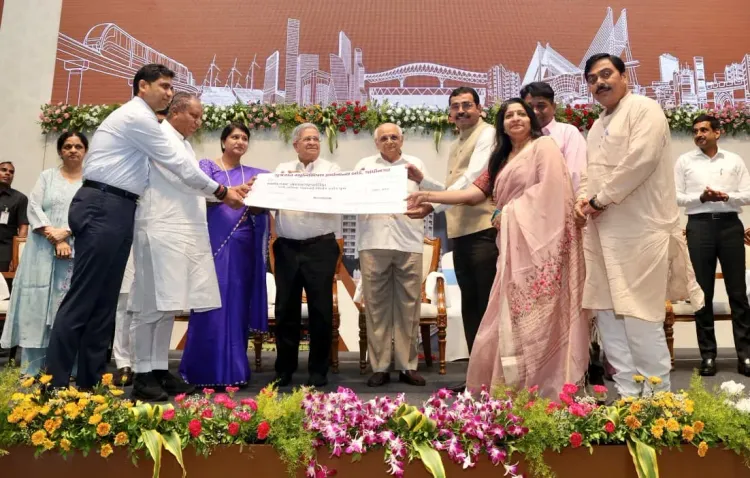
From Gandhinagar on Tuesday, August 11, Gujarat Chief Minister Bhupendra Patel handed over cheques worth Rs 3,850 crore to the state's municipal corporations and nagarpalikas — a single-day push to accelerate all-round civic development across Gujarat's cities and towns.
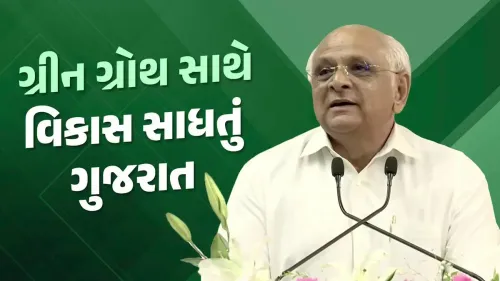
The Chief Minister, addressing both elected representatives and administrative wings at the disbursal event, made his expectations clear: quality must be non-negotiable in every development project, and all departments must coordinate in a planned, synchronised manner. Silos, in other words, are not acceptable.
Cleanliness and Green Cover at the Centre
Beyond bricks and roads, Patel flagged two civic priorities that urban Gujarat has long grappled with: maintaining cleanliness in cities and towns, and expanding green cover. He urged urban local bodies to treat both as primary obligations rather than afterthoughts in their development plans.
The emphasis is not incidental. Gujarat's larger municipal corporations — including Ahmedabad, Surat, Vadodara, and Rajkot — have consistently featured in national cleanliness rankings, and the state has periodically pushed green-belt expansion as part of its urban planning framework. Patel's directive signals a continuation of that institutional priority.
Why Coordinated Planning Matters for This Scale of Funds
Releasing Rs 3,850 crore in a single tranche to urban local bodies is a significant administrative act. Gujarat governments have followed a pattern of periodic grant releases to municipalities, but the scale here puts the onus squarely on local bodies to demonstrate absorptive capacity — that is, the ability to actually spend funds well and on time.
Patel's insistence on inter-departmental coordination addresses a familiar bottleneck: when road works, drainage, water supply, and landscaping projects run on separate timelines under separate departments, cities end up digging the same roads twice. The Chief Minister's push for synchronised planning is, in effect, a demand for institutional discipline at the municipal level.
What Comes Next for Municipal Bodies
The real test will come in the months ahead, when utilisation certificates and physical progress reports land in state audits. Urban local bodies will need to demonstrate that the funds translated into visible, quality infrastructure — not just disbursed paperwork. For elected ward councillors and municipal commissioners alike, the Chief Minister has set a clear benchmark: coordinated, quality-first, green-conscious development.
Gujarat's cities are growing fast. The pressure to build well — not just build — has never been sharper.
Point of View
850 crore disbursal fits squarely into the BJP's long-running narrative of Gujarat as a model of urban governance — a claim that rests on visible, measurable civic outcomes. Patel's dual stress on quality control and inter-departmental coordination signals awareness that large fund releases alone do not win that argument; utilisation does. The green cover and cleanliness mandates also track with the broader national Smart Cities and Swachh Bharat frameworks, giving the state action a political resonance beyond Gujarat's borders. How effectively urban local bodies absorb and deploy these funds will shape the credibility of that governance story ahead of future electoral cycles.
NationPress
11 Aug 2026
Frequently Asked Questions
How much money did Gujarat CM Bhupendra Patel release to municipal bodies?
Gujarat Chief Minister Bhupendra Patel released cheques worth Rs 3,850 crore to the state's municipal corporations and nagarpalikas at an event in Gandhinagar on August 11, 2026 .
What is the purpose of the Rs 3,850 crore released to Gujarat municipalities?
The funds are meant for 'all-round development works' ( sarvangi vikasna kamo ) across Gujarat's cities and towns, covering civic infrastructure, cleanliness, and green cover expansion.
What did CM Patel ask municipal bodies to focus on?
Patel urged urban local bodies to ensure quality in every project, maintain coordinated planning across departments, prioritise cleanliness in cities, and actively expand green cover.
Which Gujarat cities are covered by this municipal fund release?
The funds cover all of Gujarat's municipal corporations — including major cities like Ahmedabad, Surat, Vadodara , and Rajkot — as well as smaller nagarpalikas across the state.
How will the use of these municipal funds be tracked?
Urban local bodies will be required to submit utilisation certificates and physical progress reports, which will be reviewed in subsequent municipal budgets and state audits.