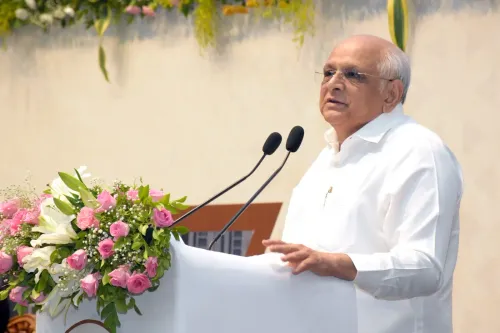
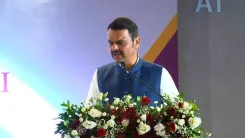
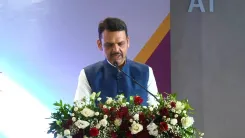
CM Bhupendra Patel slams opposition, calls agitations a cover for anarchy
Synopsis
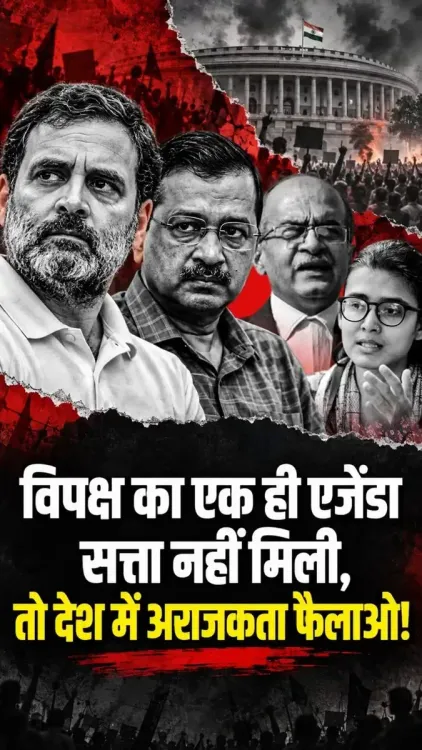
Gujarat Chief Minister Bhupendra Patel accused the opposition and self-styled agitators of using protests as a smokescreen for spreading anarchy, insisting that India demands development and stability — and that the people will decisively reject any attempt to destabilise the nation.
Key Takeaways
Gujarat CM Bhupendra Patel posted a sharp political attack on X on October 16, 2026 , targeting the opposition and protest groups.
He accused them of using agitation as a cover to spread anarchy rather than serve genuine public welfare.
His statement declares that 'the country does not want anarchy, it wants development and stability.' Patel warned that any attempt to harm India's progress and democratic dignity will be firmly rejected by the people.
The messaging mirrors a recurring BJP narrative — active since 2014 — that frames opposition protests as politically motivated destabilisation efforts.
The specific trigger for the post remains unverified; opposition responses are the key development to watch.
The mask has slipped, says Gujarat Chief Minister Bhupendra Patel — and he is not mincing words. In a sharp post on X on Friday, October 16, 2026, the BJP leader launched a stinging broadside against the opposition and what he called 'self-proclaimed agitators', declaring that their real agenda has been fully exposed before the nation.
In Hindi, Patel wrote: 'Jhooth aur bahkaave ka pardafaash ho chuka hai!' — 'The lies and deception have been unmasked!' He accused the opposition of being 'drowned in the desperation for power' and alleged that the true intention behind their protests is not public welfare, but spreading anarchy and manufacturing instability under the cover of agitation.
The charge: agitation as a smokescreen
Patel's statement draws a hard line. 'Their objective is not public interest,' he said, 'but to spread chaos under the guise of movement and create instability.' The framing is deliberate — by separating 'genuine public welfare' from 'movement politics', he positions the ruling establishment as the custodian of order against what he characterises as orchestrated disruption.
He ended on a confident note: 'Every attempt to harm the country's progress and democratic dignity will be firmly rejected by the people of this nation.' No judicial process, no administrative clampdown — the verdict, he insists, will come from the public itself.
A well-worn BJP playbook — and why it keeps being deployed
This is not a new script, but it is a durable one. Since 2014, BJP-led governments — at the centre and in the states — have consistently framed opposition-led agitations as destabilising rather than democratic. The pattern: protest erupts, the government attributes it to political opportunism, and the counter-narrative of 'development vs. disruption' is activated.
Patel, who has led Gujarat since 2021, is a loyal executor of this messaging architecture. His post aligns closely with the national party line: India wants progress and peace, not political theatre. The phrasing — 'the country does not want anarchy, it wants development and stability' — could have come from any BJP press conference in the last decade. That consistency is itself the point.
What the opposition and activists are likely to say next
The specific trigger for Patel's post on October 16 has not been independently confirmed, which makes the opposition's response the key variable to watch. If protest leaders push back — framing their movement as constitutionally protected dissent — the exchange will sharpen into a familiar binary: democratic protest vs. state-labelled anarchy.
Responses from other senior BJP leaders or the central government could signal whether this stays a state-level skirmish or escalates into a nationally coordinated counter-agitation message.
For now, Bhupendra Patel has fired the opening salvo — loudly, clearly, and on behalf of a party that believes the argument about who speaks for 'the people' is one it can win.
Point of View
He pre-empts the moral legitimacy of dissent before any specific demands can gain public sympathy. The move is notable for its timing: by posting directly on X rather than through a press statement, Patel ensures the message travels fast and unmediated. Whether it lands depends entirely on what the agitation is actually about — the unverified trigger is the article's missing variable, and the opposition's counter-framing will determine whether this escalates or fades.
NationPress
16 Oct 2026
Frequently Asked Questions
What did Gujarat CM Bhupendra Patel say about the opposition on October 16, 2026?
CM Patel accused the opposition and self-styled agitators of using protests as a smokescreen to spread anarchy and create instability, saying their motive is not public welfare but destabilisation of the country.
What is the BJP's typical response to opposition-led agitations in India?
Since 2014, the BJP has consistently framed opposition protests as politically motivated attempts to create instability, contrasting them with the party's stated agenda of development and democratic order.
Who is Bhupendra Patel and what is his political role?
Bhupendra Patel is the Chief Minister of Gujarat and a senior BJP leader. He has held the position since 2021 and is closely aligned with the national party's governance messaging.
What specific protest or agitation triggered Bhupendra Patel's post?
The specific event or agitation that prompted the October 16, 2026 post has not been independently verified. Patel's statement was broadly directed at the opposition and unspecified protest groups.
What did Bhupendra Patel say about democratic norms in his post?
Patel stated that every attempt to harm India's progress and democratic dignity will be firmly rejected by the people of the nation, positioning public opinion as the ultimate check on political disruption.