CM Bhupendra Patel visits ancient tribal shrine in Dahod forest
Synopsis
Gujarat Chief Minister Bhupendra Patel, on the second day of his three-day Dahod tour, visited the ancient Babadeva shrine in Ratanmahal forest, sat on the ground with villagers to hear local concerns, and toured Sakhi Mandal stalls showcasing natural farming products and traditional Adivasi crafts.
Key Takeaways
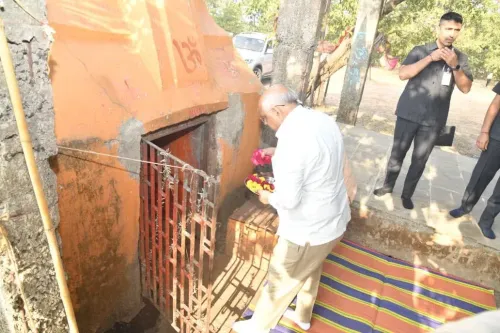
CM Bhupendra Patel visited the ancient Babadeva shrine at Bhuvero village in Ratanmahal forest , Dhanpur taluka, on November 19, 2026 .
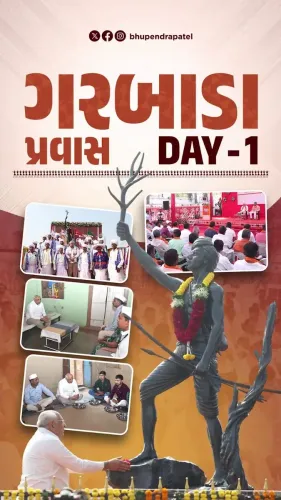
The visit was the second day of a three-day tour of Dahod district , a tribal-majority region in eastern Gujarat.
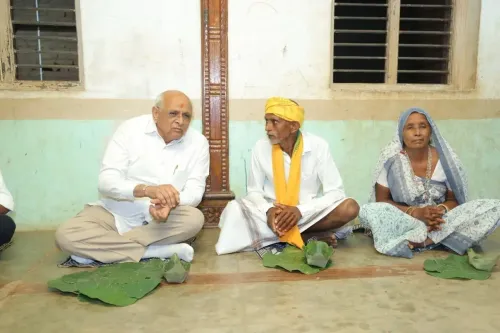
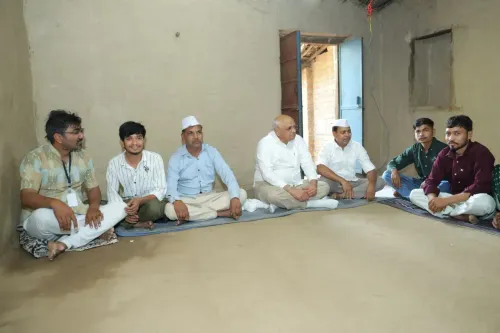
Patel sat on the ground with villagers in a deliberate display of simplicity, listening to local concerns and conversations.
Sakhi Mandal (women's self-help groups) displayed natural farming produce, date-palm leaf baskets, herbal soaps, and traditional bows and arrows at stalls he toured.
Dahod is a key focus district under Gujarat's Vanbandhu Kalyan Yojana , a tribal welfare and livelihood scheme running since the mid-2000s.
The tour's third and final day remains to be concluded, with possible follow-up announcements expected.
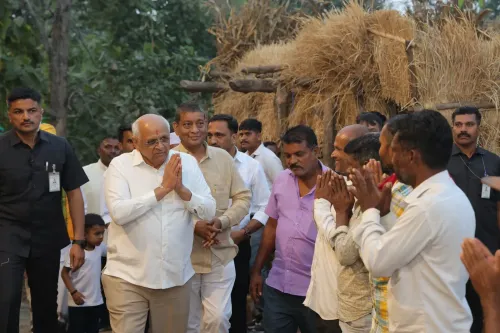
Deep inside the dense Ratanmahal forests of Dhanpur taluka, Gujarat Chief Minister Bhupendra Patel sat on the ground with villagers on Thursday, November 19 — no dais, no distance — listening to local concerns at the ancient Babadeva shrine of Bhuvero village, a site held sacred by the Adivasi community for generations.
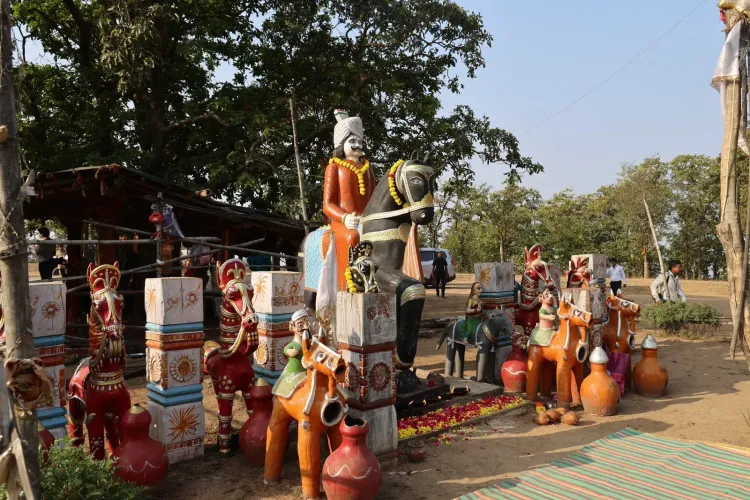
The visit was part of the second day of the Chief Minister's three-day tour of Dahod district — a tribal-majority district in eastern Gujarat that shares borders with Madhya Pradesh and Rajasthan. The sthanak (sacred place) of Babadeva is regarded as a living symbol of Adivasi religious faith, tradition, and culture, and Patel's presence there carried deliberate symbolic weight.
Sitting on the ground at Bhuvero: what the gesture signals
The Chief Minister sat sadagipurvak — simply, without ceremony — on the ground alongside residents of Bhuvero, hearing out their vato (conversations) and local concerns. The choice of setting was pointed: a government representative arriving not at a collector's office or a stage-lit rally but at a forest shrine, on the community's own terms. It is a format Gujarat's Chief Ministers have used repeatedly in eastern tribal belts, where visible administrative presence can matter as much as the policy decisions that follow.
Dahod is one of Gujarat's most significant tribal districts and a key focus area under the state's long-running Vanbandhu Kalyan Yojana, which has since the mid-2000s channelled infrastructure and livelihood investment into the tribal belts of eastern Gujarat. Multi-day district tours of this kind typically feed directly into scheme implementation reviews and, sometimes, fresh announcements.
Sakhi Mandal stalls: natural farming and forest crafts on display
Patel also toured stalls put up by Sakhi Mandal — women's self-help groups that are among the most active grassroots economic units in rural Gujarat. The products on display told a vivid story of local enterprise: goods produced through natural farming, handwoven date-palm leaf baskets, herbal soaps, and traditionally crafted bows and arrows.
The mix of agricultural and artisanal products reflects the dual push Gujarat has maintained in tribal areas — promoting chemical-free natural farming on one hand, and preserving indigenous craft traditions as income sources on the other. Sakhi Mandals have been central to that effort, connecting women producers in remote forest villages to broader markets.
What the final day of the Dahod tour may bring
With one more day remaining on the #CMatDahod itinerary, the tour's final leg is worth watching closely. Ground-level conversations at visits like these often surface specific infrastructure gaps or welfare bottlenecks that get translated into district-level directives — or, in higher-profile cases, scheme announcements timed to the visit. The villagers of Bhuvero now have the Chief Minister's ear on record; what follows on the ground will determine how this visit is remembered beyond the photographs.
Point of View
And high-visibility field visits serve as its political face. The Sakhi Mandal stall tour is equally calculated — it ties the state's natural farming push to a visible, photogenic grassroots outcome. The real policy test, as always, will be whether the grievances heard on the ground at Bhuvero translate into measurable action before the next electoral cycle in tribal constituencies.
NationPress
19 Nov 2026
Frequently Asked Questions
Why did CM Bhupendra Patel visit Dahod?
CM Bhupendra Patel is on a three-day official tour of Dahod, a tribal-majority district in eastern Gujarat, to engage directly with Adivasi communities, hear local concerns, and review grassroots welfare and livelihood initiatives.
What is the Babadeva shrine in Ratanmahal forest?
The Babadeva shrine at Bhuvero village in Dhanpur taluka is an ancient sacred site located inside the dense Ratanmahal forests of Dahod district, considered a symbol of Adivasi religious faith, tradition, and culture.
What is Sakhi Mandal in Gujarat?
Sakhi Mandals are women's self-help groups active across rural Gujarat that promote local crafts, natural farming products, and small-scale enterprise; they are a key grassroots economic unit in tribal areas.
What is the Vanbandhu Kalyan Yojana?
The Vanbandhu Kalyan Yojana is a Gujarat government scheme launched in the mid-2000s to channel infrastructure development and livelihood support into the tribal districts of eastern Gujarat, including Dahod.
What products did Sakhi Mandal women display during CM Patel's Dahod visit?
Women from Sakhi Mandals displayed products including natural farming produce, handwoven date-palm leaf baskets, herbal soaps, and traditionally crafted bows and arrows at stalls during CM Patel's visit.