CM Bihar Addresses Somnath Swabhiman Parva Yatra Event

Synopsis
Bihar's Chief Minister addressed the 'Somnath Swabhiman Parva – Atoot Aastha Ki Gaurav Gatha' programme on 20 July 2026, stating that the flag and kalash sent with the yatra represent Bihar's faith, self-respect, and prosperity, reinforcing the state's cultural bond with the Somnath Jyotirlinga.
Key Takeaways
Bihar's Chief Minister addressed the Somnath Swabhiman Parva programme on 20 July 2026 .
The event theme was 'Somnath Swabhiman Parva – Atoot Aastha Ki Gaurav Gatha' ('A Glorious Tale of Unbreakable Faith').
The CM said the flag and kalash dispatched with the yatra are symbols of Bihar's faith, self-respect, and prosperity .
Somnath Temple in Gujarat is one of the twelve Jyotirlingas and was last reconstructed in 1951 .
The event reflects Bihar's participation in pan-Indian religious heritage outreach linking regional identity to major temple sites.
Progress of the yatra carrying Bihar's flag and kalash remains the key development to watch.
The Chief Minister's Office of Bihar announced on Monday, 20 July 2026 that Bihar Chief Minister addressed a programme organised under the theme 'Somnath Swabhiman Parva – Atoot Aastha Ki Gaurav Gatha' ('Somnath Pride Festival – A Glorious Tale of Unbreakable Faith'), declaring that the flag and kalash dispatched with the yatra symbolise Bihar's faith, self-respect, and prosperity.
Context
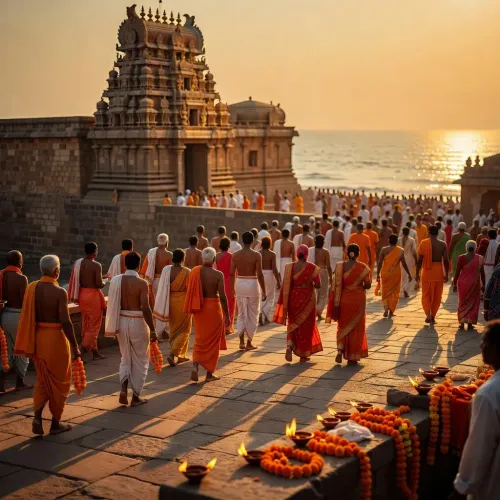
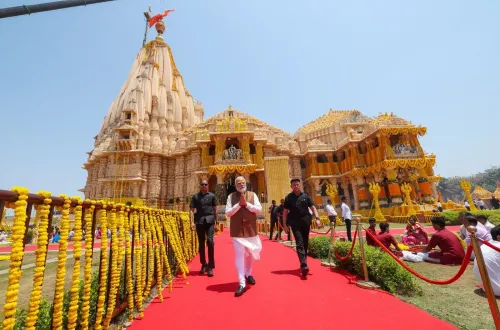
Speaking at the event, the Chief Minister stated that the flag and kalash sent along with the yatra are symbols of Bihar's aastha (faith), swabhiman (self-respect), and samridhi (prosperity). The programme centred on Bihar's cultural and spiritual connection to Somnath, one of Hinduism's most revered pilgrimage sites. The announcement was made through the official Chief Minister's Office of Bihar handle on X, accompanied by four images from the event.
Policy Backdrop
Somnath Temple, located in Prabhas Patan, Gujarat, is among the twelve Jyotirlingas dedicated to Lord Shiva and holds deep national significance. The temple was repeatedly destroyed through history and last reconstructed in 1951, becoming a symbol of civilisational resilience and Hindu pride. State governments across India have periodically organised inter-state yatras and cultural processions linking their regional identities to major temple sites, and Bihar's participation follows this established pattern of state-supported religious heritage outreach.
Stakeholders and Impact
The event directly engages Bihari pilgrims and Hindu devotees who participate in or identify with the Somnath yatra tradition. By publicly associating the state's identity — its faith, pride, and prosperity — with the yatra's flag and kalash, the Chief Minister's address reinforces Bihar's cultural stake in a pan-Indian religious landmark. Such programmes also carry significance for the state's tourism and cultural diplomacy, potentially encouraging organised pilgrimages from Bihar to Gujarat.
What's Next
Attention will now turn to the progress of the yatra carrying Bihar's flag and kalash to Somnath, and whether the state government announces follow-up cultural or religious tourism initiatives linked to the programme. The 'Somnath Swabhiman Parva' theme suggests a broader cultural campaign that could see further state-level events celebrating Bihar's connection to the Jyotirlinga circuit. Any policy announcements on pilgrimage infrastructure or inter-state religious tourism from the Chief Minister's Office would mark the next significant development.
Point of View
Self-respect, and prosperity — to the Somnath yatra is a deliberate act of cultural statecraft, aligning Bihar with a temple that carries enormous pan-Hindu symbolic weight. The move fits a broader pattern of state governments deepening their association with major Jyotirlinga sites as both a religious gesture and a political signal to their electorate. With Bihar heading into a politically active period, such high-visibility religious programming serves to consolidate the ruling dispensation's cultural credentials. The 'Swabhiman' framing is particularly notable, invoking pride and dignity alongside faith — language that resonates well beyond the purely devotional.
NationPress
21 Jul 2026
Frequently Asked Questions
What is Somnath Swabhiman Parva?
'Somnath Swabhiman Parva' is a cultural and religious programme organised around the theme of Bihar's faith and pride in connection with the Somnath Jyotirlinga temple in Gujarat. The full theme of the 2026 event was 'Somnath Swabhiman Parva – Atoot Aastha Ki Gaurav Gatha,' meaning 'A Glorious Tale of Unbreakable Faith.'
What did Bihar CM say at the Somnath Swabhiman Parva event?
Bihar's Chief Minister said that the flag and kalash sent with the yatra are symbols of Bihar's faith (aastha), self-respect (swabhiman), and prosperity (samridhi).
Where is Somnath Temple located?
Somnath Temple is located in Prabhas Patan, Gujarat. It is one of the twelve Jyotirlingas dedicated to Lord Shiva and was last reconstructed in 1951.
What is the significance of the flag and kalash in the Bihar Somnath yatra?
According to Bihar's Chief Minister, the flag and kalash dispatched with the Somnath yatra represent the collective faith, pride, and prosperity of the people of Bihar.
Why do state governments organise yatras to Somnath?
State governments organise yatras to Somnath to reinforce their regional cultural identity with a nationally significant Hindu pilgrimage site. Somnath's history as a repeatedly destroyed and rebuilt temple gives it powerful symbolic resonance for devotees and policymakers alike.