Shekhawat hails Somnath Swabhiman Parv as civilisational celebration
Synopsis
Union Culture Minister Gajendra Singh Shekhawat on 17 June 2026 celebrated the Somnath Swabhiman Parv, highlighting Swabhiman Parv Yatras from six states and mass Kalash Yatra participation as a nationwide affirmation of India's civilisational heritage and national unity.
Key Takeaways
Union Culture and Tourism Minister Gajendra Singh Shekhawat hailed the Somnath Swabhiman Parv on 17 June 2026 as a true people's celebration of India's civilisational pride.
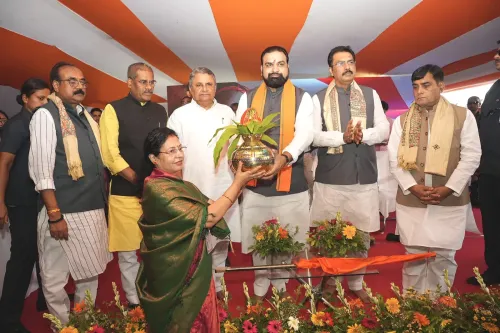
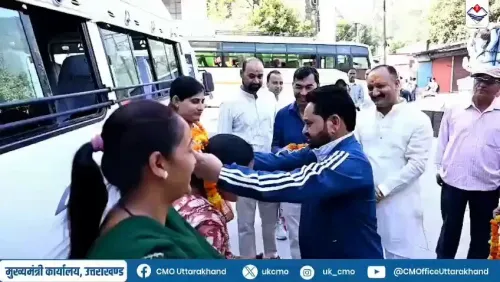
Swabhiman Parv Yatras were flagged off simultaneously from six states , with thousands participating in Kalash Yatras and cultural and spiritual programmes nationwide.
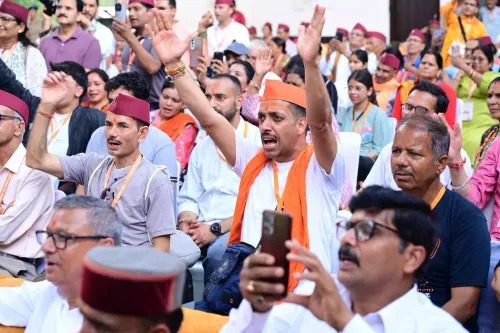
The Minister specifically noted the strong enthusiasm among youth , calling it a reaffirmation that cultural roots remain a source of strength and national unity.
The Ministry of Culture stated its commitment to deepening public engagement with India's heritage so that timeless traditions guide future generations.
The initiative aligns with the PRASHAD scheme (launched 2014-15 ), which links pilgrimage sites including the Somnath Temple, Gujarat with cultural tourism development.
Union Culture and Tourism Minister Gajendra Singh Shekhawat on Wednesday, 17 June 2026, praised the Somnath Swabhiman Parv as a nationwide people's celebration of India's civilisational pride, highlighting the enthusiasm of citizens — particularly the youth — across Swabhiman Parv Yatras flagged off from six states and thousands of participants in Kalash Yatras and cultural and spiritual programmes.
Context
Shekhawat's post described the Somnath Swabhiman Parv as having 'emerged as a true people's celebration of Bharat's civilisational pride,' pointing to Swabhiman Parv Yatras launched simultaneously from six states and mass participation in Kalash Yatras and allied cultural events. The Ministry of Culture positioned the initiative as deepening public engagement with India's heritage and ensuring that 'timeless traditions continue to guide future generations.'
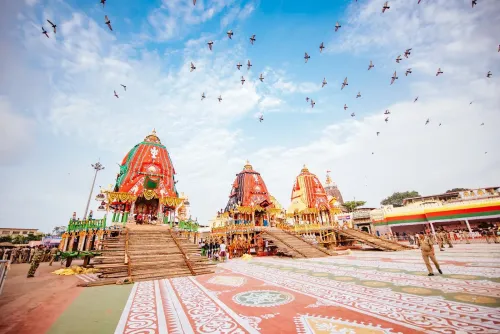
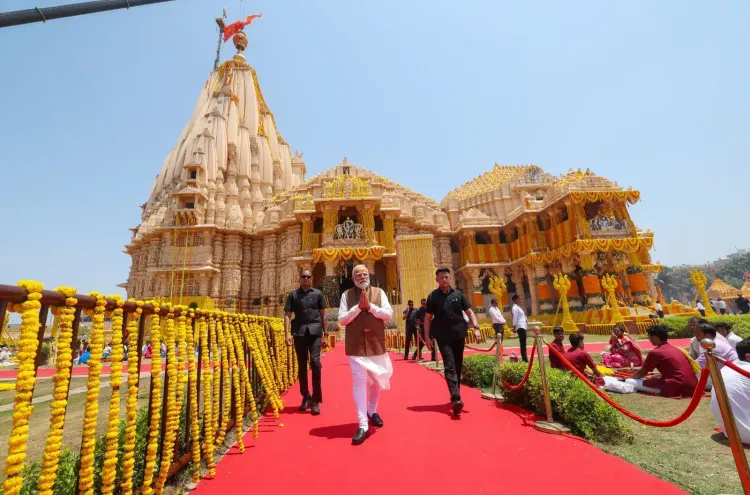
The Somnath Temple in Gujarat — one of the twelve Jyotirlingas and a site repeatedly destroyed and rebuilt over centuries — is widely regarded as an emblem of civilisational continuity and resilience, making it a symbolically charged anchor for such a national programme.
Policy Backdrop
The Somnath Swabhiman Parv fits within a broader governmental emphasis on large-scale public events that blend religious heritage with narratives of national unity. Since 2014, the central government has scaled up state-supported yatras, temple restorations and heritage-outreach programmes, including through the PRASHAD scheme — launched in 2014-15 — which links pilgrimage sites with cultural tourism infrastructure.
The Ministry of Culture has increasingly used multi-state, simultaneous yatra formats to maximise geographic reach and public participation, integrating spiritual sites into the wider heritage-circuit development agenda.
Stakeholders and Impact
The primary beneficiaries of the Somnath Swabhiman Parv are pilgrims, heritage enthusiasts and local communities along the yatra routes spanning six states. Shekhawat specifically noted the 'enthusiasm witnessed among citizens, especially the youth,' framing young Indians' participation as a reaffirmation that cultural roots remain 'a source of strength, inspiration and national unity.'
Local economies around pilgrimage corridors — particularly in Gujarat near the Somnath Temple complex — stand to benefit from increased footfall, while state governments involved in flagging off the Yatras gain a platform for cultural outreach aligned with central policy priorities.
What's Next
The Ministry of Culture's stated commitment to 'deepening public engagement with India's rich heritage' signals that the Somnath Swabhiman Parv is likely to be followed by further state-level extensions of the yatra programme. Observers will watch for official announcements on infrastructure upgrades or new cultural events tied to the Somnath Temple complex in the coming months.
As the government continues to invest in heritage-linked public mobilisation, the scale and format of programmes like the Somnath Swabhiman Parv may serve as a template for similar initiatives at other historically significant pilgrimage sites across the country.
Point of View
The Ministry of Culture signals an intent to make such programmes geographically inclusive rather than regionally confined. Shekhawat's deliberate emphasis on youth participation is politically significant — it frames heritage engagement not as nostalgia but as a forward-looking source of national identity. The programme's trajectory will be worth watching as a potential model for replication at other major pilgrimage sites under the PRASHAD framework.
NationPress
20 Sept 2026
Frequently Asked Questions
What is the Somnath Swabhiman Parv?
The Somnath Swabhiman Parv is a national cultural and spiritual initiative organised by the Ministry of Culture centred on the Somnath Temple in Gujarat, featuring Swabhiman Parv Yatras flagged off from six states and mass Kalash Yatras celebrating India's civilisational heritage.
Which states participated in the Swabhiman Parv Yatra?
According to Union Culture Minister Gajendra Singh Shekhawat's post on 17 June 2026, Swabhiman Parv Yatras were flagged off from six states, though the specific states were not individually named in the post.
What is the significance of the Somnath Temple?
The Somnath Temple in Gujarat is one of India's twelve Jyotirlingas and is widely regarded as a symbol of civilisational resilience, having been destroyed and rebuilt multiple times over centuries, making it a powerful anchor for heritage-focused national events.
What is the PRASHAD scheme and how does it relate to the Somnath Parv?
The PRASHAD scheme, launched in 2014-15, is a central government programme that develops infrastructure and tourism facilities at pilgrimage sites across India; the Somnath Swabhiman Parv aligns with this framework by linking the Somnath Temple with public cultural outreach and heritage tourism.
What did Gajendra Singh Shekhawat say about youth participation in the Somnath Swabhiman Parv?
Minister Shekhawat stated that the enthusiasm witnessed among citizens, especially the youth, reaffirms that India's cultural roots remain a source of strength, inspiration and national unity.