CM Sai Flags Somnath Swabhiman Sanskritik Yatra
Synopsis
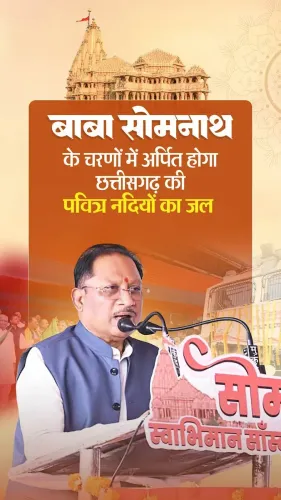
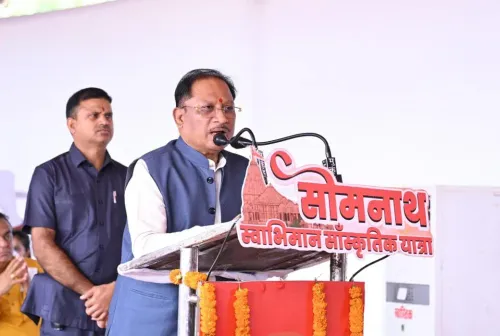
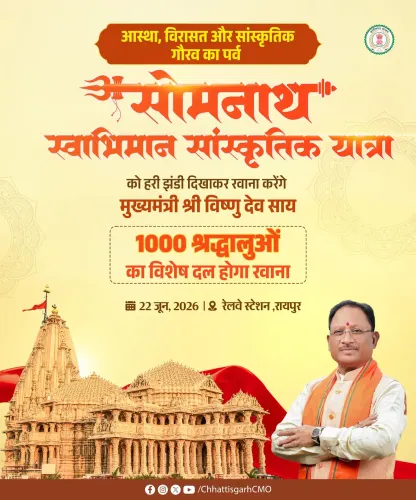
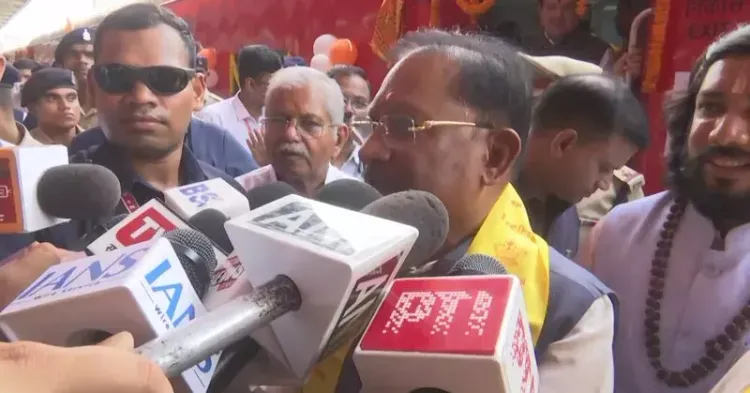
Chhattisgarh Chief Minister Vishnu Deo Sai on 22 June 2026 flagged the Somnath Swabhiman Sanskritik Yatra on social media, aligning his state with a BJP-backed inter-state cultural pilgrimage initiative centred on Gujarat's historic Somnath Temple.
Key Takeaways
CM Vishnu Deo Sai posted about the Somnath Swabhiman Sanskritik Yatra on 22 June 2026 , sharing a live broadcast link.
The yatra is centred on the Somnath Temple in Gujarat , one of the 12 Jyotirlinga shrines and a symbol of post-independence cultural revival.
The temple's modern reconstruction was inaugurated in May 1951 with support from Sardar Vallabhbhai Patel .
BJP -governed states have organised inter-state pilgrimage yatras linking major Hindu temples since 2014 .
Route, dates, and full organisational details of the 2026 yatra are yet to be officially announced.
Chhattisgarh Chief Minister Vishnu Deo Sai on Monday, 22 June 2026, drew attention to the Somnath Swabhiman Sanskritik Yatra, sharing a broadcast link on social media that signals the state's engagement with the pan-India cultural pilgrimage initiative centred on the ancient Somnath Temple in Gujarat.
Context
The post by CM Sai — comprising the phrase 'Somnath Swabhiman Sanskritik Yatra' (Somnath Self-Respect Cultural Journey) alongside a live broadcast link — places Chhattisgarh in the orbit of an event rooted in one of Hinduism's most significant pilgrimage sites. The Somnath Temple, a Jyotirlinga shrine on the western coast of Gujarat, carries deep historical resonance: it was repeatedly razed during medieval invasions and finally rebuilt and inaugurated in May 1951 under the stewardship of Sardar Vallabhbhai Patel, making its reconstruction a symbol of post-independence cultural assertion.
The term 'Swabhiman' — meaning self-respect or pride — deliberately invokes that legacy, framing the yatra as an act of cultural reclamation as much as religious tourism.
Policy Backdrop
Since 2014, multiple BJP-governed states have coordinated inter-state yatras and pilgrimage circuits linking major Hindu temples, building on temple-corridor projects in Gujarat and Uttar Pradesh that connect regional populations to shared national heritage symbols. CM Sai, who assumed office in December 2023, has positioned Chhattisgarh's BJP government as an active participant in this broader cultural-tourism framework.
These initiatives typically involve state tourism departments, local administration, and religious trusts, and are often accompanied by infrastructure spending on pilgrim facilities, road connectivity, and heritage conservation.
Stakeholders and Impact
The primary beneficiaries of such yatras are Hindu pilgrims from Chhattisgarh and neighbouring states who gain organised, state-facilitated access to a Tier-1 national pilgrimage site. State tourism departments on both ends — Chhattisgarh and Gujarat — stand to gain from increased footfall, hospitality revenue, and inter-state goodwill.
Broader participation by other BJP chief ministers, if it materialises, would elevate the yatra into a visible multi-state cultural exercise with implications for domestic tourism circuits ahead of upcoming electoral cycles.
What's Next
Watchers will look for official announcements on the yatra's route, schedule, and organisational structure, as well as any dedicated budget allocations within Chhattisgarh's cultural tourism infrastructure. Whether the initiative attracts participation from additional states or central government backing will determine its scale and political visibility in the months ahead.
Point of View
A state with a significant tribal and Hindu population, participation in such a high-visibility yatra serves both symbolic and electoral purposes. The broadcast format also signals an effort to reach a digitally connected younger pilgrim demographic beyond traditional outreach.
NationPress
21 Sept 2026
Frequently Asked Questions
What is the Somnath Swabhiman Sanskritik Yatra?
The Somnath Swabhiman Sanskritik Yatra is a cultural pilgrimage initiative that connects participants to the historic Somnath Temple in Gujarat, emphasising India's heritage of cultural self-respect. Chhattisgarh CM Vishnu Deo Sai highlighted the yatra on 22 June 2026.
Why is the Somnath Temple significant?
The Somnath Temple in Gujarat is one of Hinduism's 12 Jyotirlinga shrines. It was repeatedly destroyed during medieval invasions and rebuilt, with its modern reconstruction inaugurated in May 1951 under the patronage of Sardar Vallabhbhai Patel, making it a powerful symbol of post-independence cultural revival.
Who is Vishnu Deo Sai?
Vishnu Deo Sai is a BJP politician who has served as the Chief Minister of Chhattisgarh since December 2023. He is a tribal leader from the state and a prominent figure in the party's central India organisation.
How does this yatra relate to BJP's cultural tourism policy?
Since 2014, BJP-governed states have regularly organised inter-state yatras and pilgrimage circuits linking major Hindu temples to promote shared cultural heritage and domestic tourism. The Somnath Swabhiman Sanskritik Yatra is part of this broader pattern.
What are the details of the 2026 Somnath yatra route and dates?
The exact route, schedule, and organisers of the 2026 Somnath Swabhiman Sanskritik Yatra have not been officially confirmed yet. Announcements on these details are expected in the coming days.