CM Bihar Chairs High-Level India-Nepal Border Review
Synopsis
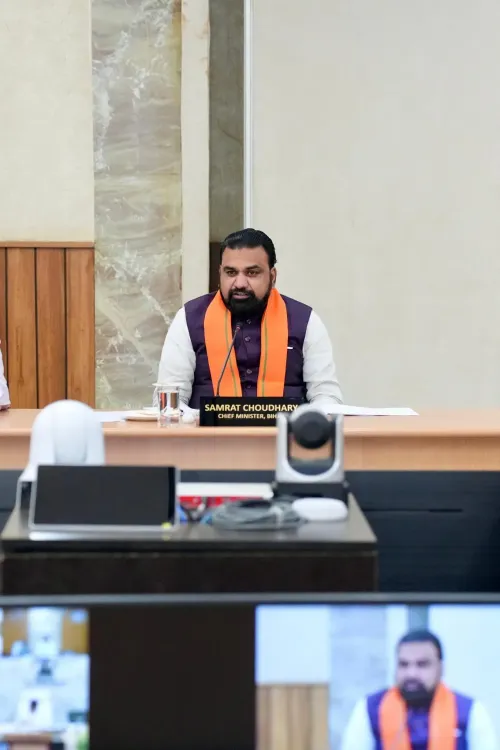
Chief Minister Samrat Choudhary chaired a high-level review at Bihar's CM Secretariat on 3 July 2026, addressing security, administrative, and developmental challenges along the India-Nepal border — a perennial governance priority for Bihar's frontier districts.
Key Takeaways
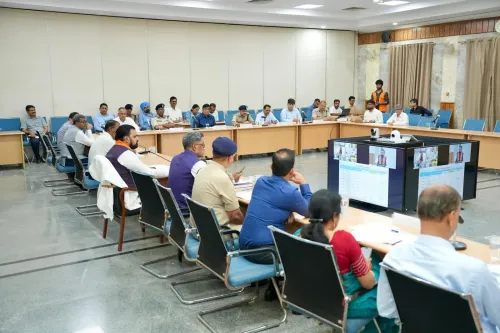
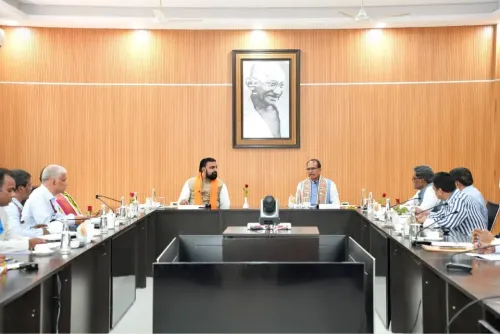
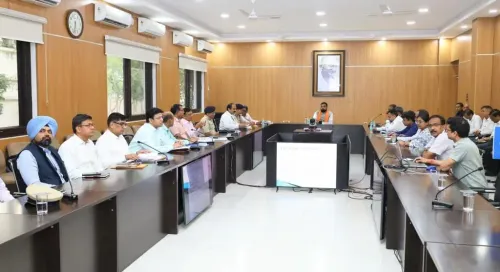
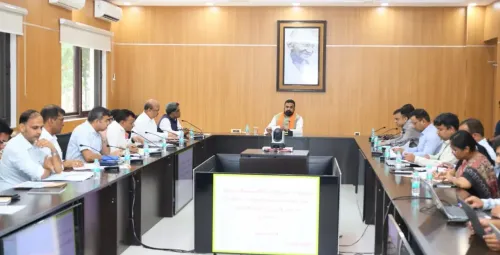
The meeting was held on 3 July 2026 at 'Samvaad' , the dialogue hall of the Chief Minister's Secretariat in Patna .
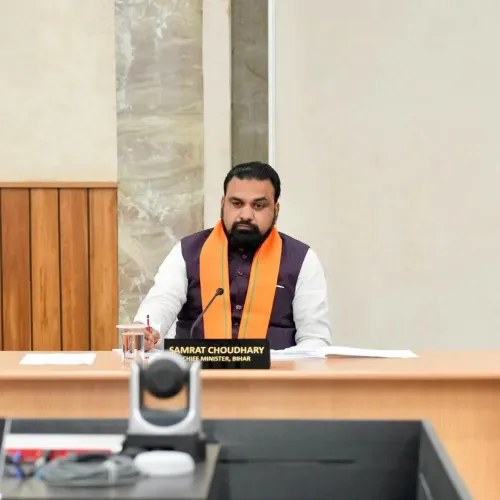
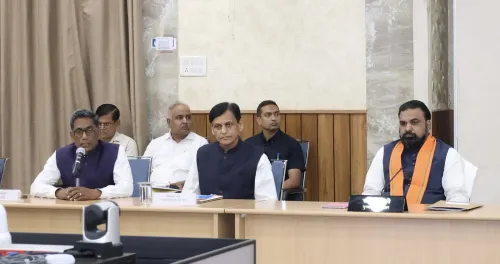
Chief Minister Samrat Choudhary chaired the session, which covered security, administrative, and developmental issues along the India-Nepal border .
Bihar shares an open border with Nepal governed under the 1950 Treaty of Peace and Friendship , creating both economic opportunity and security challenges.
Key border districts include West Champaran, East Champaran, Sitamarhi, Madhubani, Supaul, Araria, and Kishanganj .
State-level reviews complement central mechanisms such as the Joint Working Group on border management and home secretary-level India-Nepal talks.
Follow-up district-level directives and potential coordination with central and Nepali border agencies are expected.
The Chief Minister's Office of Bihar announced on Friday, 3 July 2026 that a high-level review meeting on security, administrative, and developmental issues related to the India-Nepal border was held at 'Samvaad' — the designated dialogue hall within the Chief Minister's Secretariat — under the chairmanship of Chief Minister Samrat Choudhary.
Context
The meeting, announced via the official CMO Bihar account on X, was convened to examine the full spectrum of challenges along Bihar's long frontier with Nepal. The post stated that the review covered 'suraksha, prashasanik evam vikasatmak vishyon' — security, administrative, and developmental matters — linked to the India-Nepal border. The 'Samvaad' venue at the Chief Minister's Secretariat in Patna is used for high-level consultative sessions.
Policy Backdrop
Bihar shares one of India's most significant open borders with Nepal, governed broadly by the 1950 Treaty of Peace and Friendship which allows free movement of people and goods between the two countries. This open character, while economically beneficial to border communities, also creates persistent challenges around smuggling, illegal migration, and security management that successive Bihar governments have sought to address through periodic state-level reviews. Such exercises at the state level complement central mechanisms including the Joint Working Group on border management and home secretary-level bilateral talks with Kathmandu.
Bihar's border districts — including West Champaran, East Champaran, Sitamarhi, Madhubani, Supaul, Araria, and Kishanganj — are among the most porous stretches of the frontier, making coordinated administrative and security oversight a recurring governance priority for the state.
Stakeholders and Impact
The review's stated agenda — spanning security, administration, and development — signals that the meeting was not limited to law-enforcement concerns alone. Border communities on both sides depend on cross-border trade and movement for their livelihoods, making infrastructure gaps and developmental deficits as consequential as security threats. State security forces, district administrations, and central paramilitary units deployed along the frontier are the primary operational stakeholders of any decisions emerging from such a review.
Developmental dimensions of the India-Nepal border agenda typically include road connectivity, border haats (markets), and coordination on flood management in the shared river basins — issues that directly affect millions of residents in Bihar's northern districts.
What's Next
High-level review meetings of this nature are typically followed by district-level implementation directives and, in some cases, coordination with central agencies and Nepal's border authorities. Officials will be watching for follow-up action reports from border district administrations and any scheduled bilateral border coordination meetings between Indian and Nepali officials. The outcome of this review could also feed into broader India-Nepal diplomatic channels if cross-border infrastructure or security protocols are flagged for central-level engagement.
Point of View
Not merely a routine administrative matter. The three-pronged agenda — security, administration, and development — reflects a more holistic approach than purely law-enforcement-driven reviews of the past. Coming at a time when India-Nepal bilateral relations carry both strategic and domestic political weight, such state-level exercises also serve to demonstrate proactive governance in constituencies that border communities care about most. The meeting's outcomes could shape how Bihar coordinates with New Delhi on the next round of bilateral border talks.
NationPress
4 Jul 2026
Frequently Asked Questions
Why did Bihar CM Samrat Choudhary hold an India-Nepal border review meeting?
The meeting was convened to conduct a comprehensive high-level review of security, administrative, and developmental issues along Bihar's border with Nepal — a frontier that presents persistent challenges around smuggling, migration, and infrastructure gaps.
Where was the Bihar India-Nepal border review meeting held?
The meeting was held at 'Samvaad' , the designated dialogue hall within the Chief Minister's Secretariat in Patna , Bihar.
Which Bihar districts share a border with Nepal?
Bihar's Nepal-bordering districts include West Champaran, East Champaran, Sitamarhi, Madhubani, Supaul, Araria, and Kishanganj , which together form one of India's most significant open frontier stretches.
What treaty governs the India-Nepal border?
The 1950 Treaty of Peace and Friendship provides the foundational framework for open movement of people and goods between India and Nepal, including along Bihar's border.
What happens after a Bihar CM-level India-Nepal border review?
Such reviews are typically followed by district-level implementation directives, coordination with central paramilitary and intelligence agencies, and may feed into broader India-Nepal bilateral border coordination meetings.