CM Bihar Directs Planned Push for Technical Education
Synopsis
Chief Minister Nitish Kumar has directed that Bihar pursue a planned, systematic strategy to become a leading state in technical education by promoting innovation and research in science, technology, and engineering — signalling a top-level policy push beyond routine institution-building.
Key Takeaways
CM Nitish Kumar has directed officials to work in a 'planned and effective manner' to elevate Bihar among India's top states in technical education.
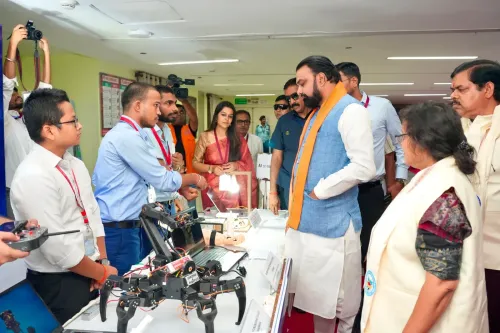
The directive specifically targets promotion of new ideas, innovations, and research in science, technology, and engineering .
Bihar has historically operated from a low base in technical education, with significant student out-migration to other states for engineering degrees.
The state has been expanding engineering colleges and polytechnics since 2005 under CM Kumar's administration.
Future budget allocations and potential collaborations with AICTE and DST will be key indicators of how this directive is implemented.
The statement was shared by the Chief Minister's Office of Bihar on 23 June 2026 .
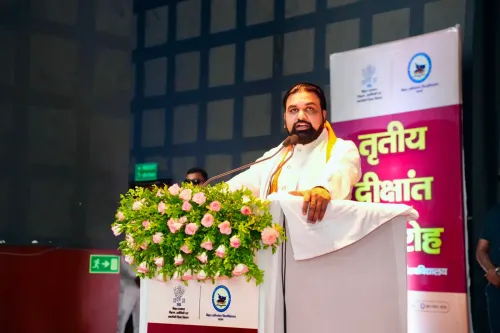
The Chief Minister's Office of Bihar shared a directive on Tuesday, 23 June 2026, stating that Chief Minister Nitish Kumar has called for systematic and effective action to position Bihar among the leading states in the country in the field of technical education by promoting new ideas, innovations, and research in science, technology, and engineering.
Context
The Chief Minister's Office posted the directive in response to a query on the state's technical education ambitions. CM Kumar's statement, in Hindi, reads: 'Vigyan, praudyogiki evam abhiyantran ke kshetra mein naye vicharon, navaacharon evam shodh karyon ko badhawa dekar Bihar ko takneeki shiksha ke kshetra mein desh ke agrani rajyon mein shamil karne ke liye yojnabaddh evam prabhavi dhang se kary kiya jaye' — broadly translated: 'Work should be carried out in a planned and effective manner to include Bihar among the leading states in the country in the field of technical education by promoting new ideas, innovations, and research work in science, technology, and engineering.'
The statement signals a top-level political commitment to treating technical education as a state priority, moving beyond ad hoc institution-building toward a structured, outcome-oriented approach.
Policy Backdrop
Since Nitish Kumar first assumed office in 2005, Bihar has expanded its network of engineering colleges and polytechnics as part of broader higher-education access reforms. The state has historically operated from a low base in technical education, with many students migrating to Maharashtra, Delhi, Karnataka, and other states for engineering and science degrees.
The current push aligns with national efforts to increase STEM capacity in states that have lagged in research output and institutional quality. Frameworks such as the All India Council for Technical Education (AICTE) norms and the Department of Science and Technology (DST) grant programmes offer Bihar pathways to scale innovation ecosystems if state-level coordination improves.
Stakeholders and Impact
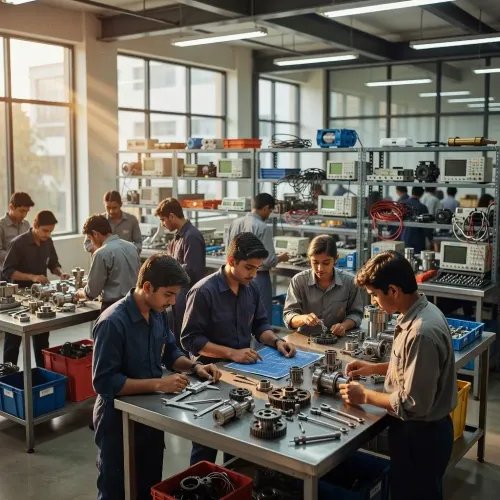
The directive directly concerns Bihar's student population, engineering faculty, and research institutions, all of whom stand to benefit from increased state investment in science and technology infrastructure. A credible improvement in technical education quality could reduce the long-standing trend of youth out-migration from the state for higher studies.
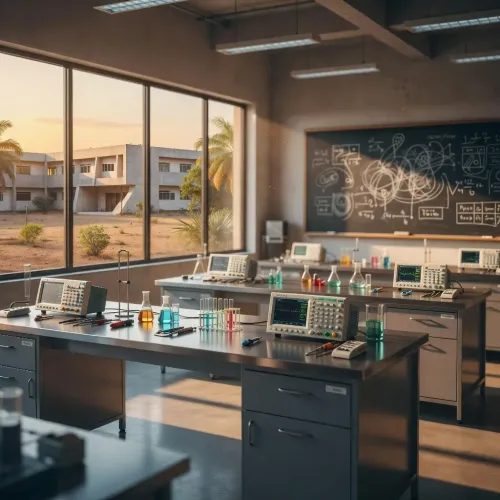
Industry stakeholders and start-up ecosystems in Patna and other urban centres may also gain if the policy translates into functioning research-to-industry linkages. Faculty recruitment, research grants, and laboratory infrastructure will be key implementation variables to watch.
What's Next
Observers will look to Bihar's upcoming state budget allocations for concrete commitments — specifically, research grant outlays, announcements on new technical universities, and any formal tie-ups with central bodies such as AICTE or DST. The language of 'planned and effective' action suggests the government intends to present a structured roadmap rather than piecemeal announcements.
Whether this directive translates into measurable outcomes — ranked institutions, increased research publications, or reduced student out-migration — will be the true test of the state's technical education ambitions.
Point of View
And that credibility now requires a roadmap with measurable targets. Coming ahead of what will likely be a budget cycle, the statement may be laying groundwork for a larger allocation to research and innovation infrastructure. For Bihar, where youth out-migration for higher studies remains a political liability, a credible technical education push carries both developmental and electoral weight.
NationPress
22 Sept 2026
Frequently Asked Questions
What did Bihar CM Nitish Kumar say about technical education?
CM Nitish Kumar directed that Bihar work in a planned and effective manner to become one of India's leading states in technical education by promoting new ideas, innovations, and research in science, technology, and engineering.
What is the current state of technical education in Bihar?
Bihar has historically had a low base in technical education, with many students migrating to other states for engineering degrees. Since 2005, the state has expanded engineering colleges and polytechnics, but significant gaps in research output and institutional quality remain.
Which central bodies could Bihar collaborate with for technical education?
Bihar can work with the All India Council for Technical Education (AICTE) and the Department of Science and Technology (DST), both of which offer frameworks and grant programmes to support STEM capacity building in states.
How will Bihar's technical education directive be implemented?
Specific implementation steps have not yet been announced. Observers expect the next state budget to carry concrete allocations for research grants, new technical institutions, and possible tie-ups with central regulatory and funding bodies.
Why does technical education matter for Bihar's development?
Improving technical education quality can reduce student out-migration, build a local skilled workforce, and attract industry investment — all of which are critical for Bihar's broader economic development goals.