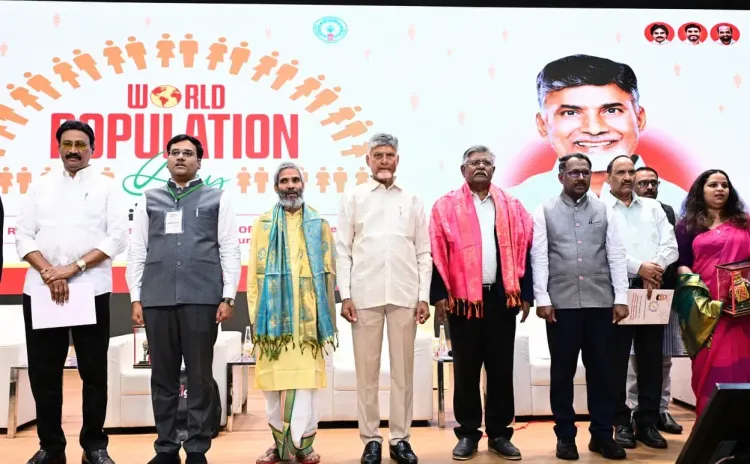
CM Chandrababu Naidu attends World Population Day event in Vijayawada
Synopsis
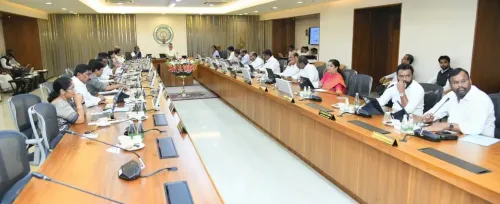
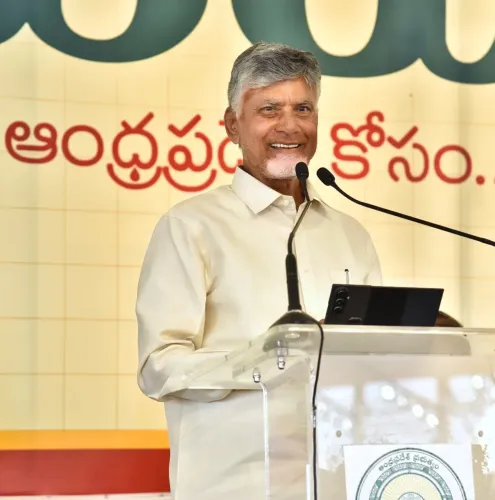
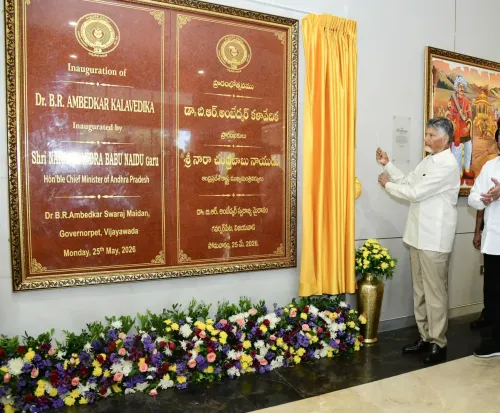
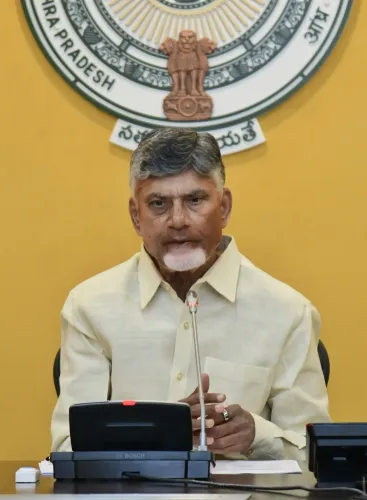
Chief Minister Nara Chandrababu Naidu attended Andhra Pradesh's World Population Day observance at Ambedkar Kalavedika in Vijayawada on 11 July 2026, joined by elected representatives and senior officials, underlining the state's focus on population and family welfare goals.
Key Takeaways
CM Nara Chandrababu Naidu participated in the state-level World Population Day event on 11 July 2026 .
The event was held at Ambedkar Kalavedika , a prominent public auditorium in Vijayawada .
Elected representatives and senior government officials attended alongside the Chief Minister.
World Population Day has been observed in India annually since 1989 , linked to national family welfare and reproductive health goals.
Andhra Pradesh's participation reflects the state's alignment with the National Population Policy 2000 targets on fertility and maternal health.
Follow-up policy announcements or updated district health data from the Andhra Pradesh Health Department are expected in the near term.
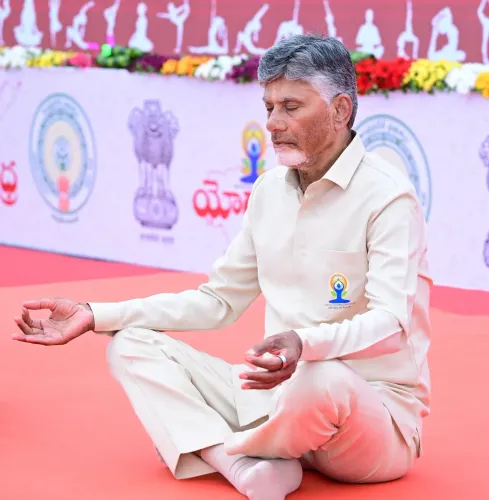
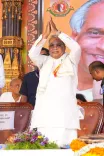
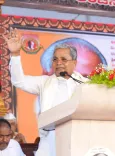
The Chief Minister's Office of Andhra Pradesh announced on Saturday, 11 July 2026 that Chief Minister Nara Chandrababu Naidu participated in the state-level World Population Day observance held at Ambedkar Kalavedika in Vijayawada, attended by elected representatives and senior officials.
Context
World Population Day is observed every year on 11 July to draw global attention to population-related challenges, including family planning, reproductive health, and demographic sustainability. India has marked the day annually since 1989, using state-level events to connect national population goals with local health delivery systems. The Andhra Pradesh government's decision to hold the observance at Ambedkar Kalavedika — a prominent public auditorium in Vijayawada — signals the state's intent to give the occasion official prominence.
Policy Backdrop
India's National Population Policy 2000 laid out long-term targets for reducing the total fertility rate and expanding reproductive health services across all states. Andhra Pradesh has historically aligned its state-level family welfare programmes with these national benchmarks, focusing on maternal health, child immunisation, and institutional deliveries. Chief Minister Chandrababu Naidu, known for his emphasis on data-driven governance and human development indicators, has consistently linked demographic outcomes to the state's broader economic planning.
The event at Ambedkar Kalavedika brings together public representatives and administrative officials, reflecting a whole-of-government approach to population awareness. Such convergence is consistent with how Indian states have operationalised the day — not merely as a ceremonial observance but as a platform to reinforce ongoing health and welfare messaging to a wider audience.
Stakeholders and Impact
The primary stakeholders in this observance are the general public and the state's Health and Family Welfare Department, which administers schemes related to maternal care, family planning, and reproductive health. Elected representatives present at the event are expected to carry awareness messaging back to their constituencies, amplifying the state's outreach beyond the auditorium. For communities in Andhra Pradesh, particularly in rural and peri-urban areas, such official observances often serve as a prompt for local health workers to intensify family welfare drives.
The presence of CM Naidu at the event lends political weight to the state's population and health agenda, signalling to the bureaucracy and the public alike that demographic welfare remains a priority on the government's calendar.
What's Next
Attention will now turn to whether the Andhra Pradesh government follows the observance with concrete policy announcements — such as updated district-level health data, revised targets under family welfare schemes, or fresh budget allocations for reproductive health infrastructure. State governments frequently use World Population Day as a reference point for mid-year reviews of health programme performance. Any such announcements from the Chief Minister's Office or the Health Department in the coming days will indicate the depth of the state's commitment beyond the ceremonial event.
Point of View
Not merely a ceremonial concern. By anchoring the observance at a high-profile venue with official representation, the government is also creating political accountability: public commitments made on such occasions are harder to walk back when health data is eventually released. The event fits a broader pattern of Indian state governments using UN calendar days to refresh domestic policy narratives and mobilise the health bureaucracy mid-year.
NationPress
11 Jul 2026
Frequently Asked Questions
Why did CM Chandrababu Naidu attend World Population Day 2026?
CM Nara Chandrababu Naidu attended the state-level World Population Day event on 11 July 2026 at Ambedkar Kalavedika in Vijayawada to underscore Andhra Pradesh's commitment to population stabilisation, family planning, and reproductive health goals.
What is World Population Day and why is it observed?
World Population Day is observed every year on 11 July to raise awareness about global population challenges including family planning, maternal health, and demographic sustainability. India has observed it since 1989.
Where was the World Population Day event held in Andhra Pradesh in 2026?
The event was held at Ambedkar Kalavedika, a public auditorium in Vijayawada, the major commercial city of Andhra Pradesh.
What is Andhra Pradesh's approach to population and family welfare policy?
Andhra Pradesh has historically aligned its state programmes with the National Population Policy 2000, focusing on reducing the total fertility rate and expanding maternal and reproductive health services across districts.
What announcements are expected after the World Population Day event in Andhra Pradesh?
Observers will watch for updated district-level health data, revised family welfare scheme targets, or fresh budget allocations from the Andhra Pradesh Health Department following the observance.