CM Chandrababu Surveys Cyclone Damage in Bapatla, Meets Farmers

Synopsis
Andhra Pradesh CM Chandrababu Naidu conducted an aerial and ground inspection of cyclone-affected coastal districts on 6 November 2026, visiting damaged drains at Jillellamudi bridge in Bapatla and meeting submerged-crop farmers in Reeturu village, Pattipadu constituency.
Key Takeaways
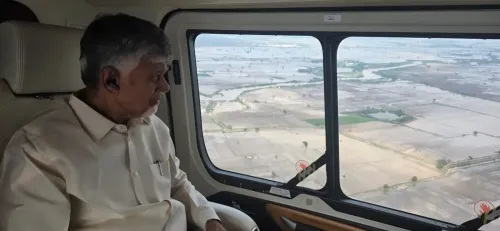
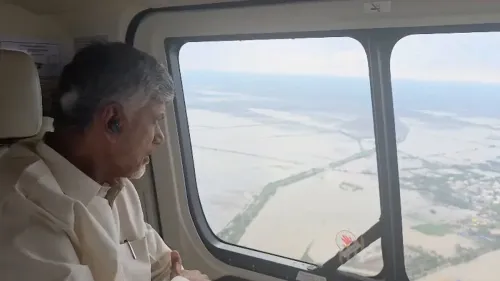
CM Nara Chandrababu Naidu carried out a combined aerial and road-level survey of cyclone-hit areas in Bapatla district on 6 November 2026 .
He flew into Suryalanka Air Force Station before travelling by road to the Jillellamudi bridge in Bapatla Mandal.
Naidu reviewed damage to drainage infrastructure with Irrigation Department officials at the bridge site.
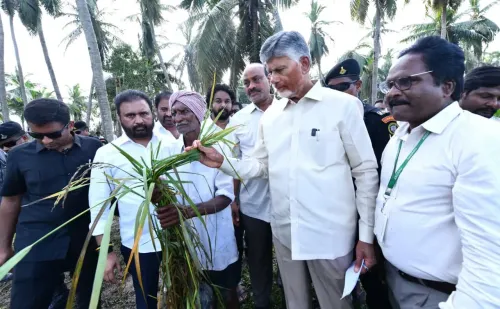
He visited Reeturu village, Pattipadu constituency , walking through flooded paddy fields and speaking directly with affected farmers.
Andhra Pradesh's Bay of Bengal coastline makes delta districts like Bapatla particularly vulnerable to crop and infrastructure losses from cyclonic storms.
The dual focus on drainage repairs and crop losses signals two parallel relief tracks — Irrigation Department and farmer compensation — are likely to follow.
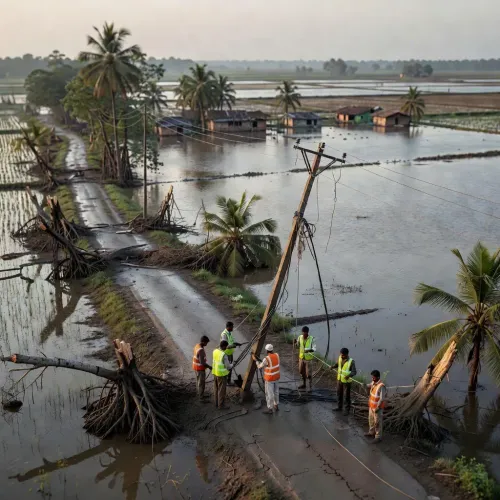
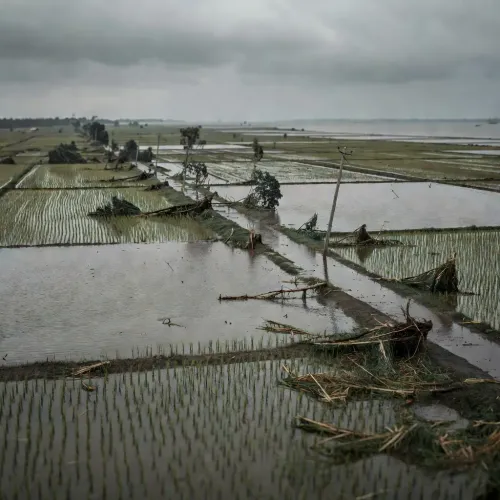
Knee-deep in floodwater on a November afternoon, the farmers of Reeturu village in Pattipadu constituency got an unexpected visitor — Andhra Pradesh Chief Minister Nara Chandrababu Naidu, who conducted a ground-level cyclone damage inspection across coastal districts on Friday, 6 November 2026, combining an aerial survey with a road-and-field walkthrough that took him all the way to inundated paddy fields in the Krishna-Guntur belt.
From the Air to the Ground: How Naidu Mapped the Damage
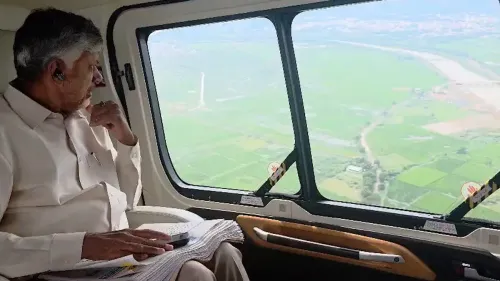
The Chief Minister's Office confirmed that Naidu first conducted an aerial survey over cyclone-hit regions, then landed at Suryalanka Air Force Station — the coastal IAF facility in Bapatla district that doubles as a staging point for state disaster response operations. From there, he travelled by road to the Jillellamudi bridge in Bapatla Mandal, where damaged drainage infrastructure has emerged as an urgent concern.
At the bridge site, Naidu held discussions with Irrigation Department officials on the condition of the breached drains — the kind of unglamorous but critical infrastructure that determines how quickly floodwater retreats from agricultural land after a storm. Drain damage in delta districts can trap standing water for weeks, devastating unharvested crops.
Reeturu Paddy Fields and the Farmers Who Lost Their Crop
The most consequential stop of the day came in Reeturu village, Pattipadu constituency, where the CM waded into submerged paddy fields to personally assess crop losses. He spoke directly with the farmers whose standing rice crops now lie beneath floodwater — a visual that the Chief Minister's Office amplified on social media to signal both urgency and personal engagement.
Andhra Pradesh's coastline along the Bay of Bengal makes it one of India's most cyclone-exposed states. The Krishna and Guntur delta districts — of which Bapatla is part — are especially vulnerable: low-lying, irrigation-dependent, and anchored to paddy cultivation. When cyclones strike during the kharif harvest window, the losses for farmers can be catastrophic and near-total.
What Follows an Inspection Like This
Aerial and ground inspections by Andhra Pradesh chief ministers after cyclonic events have historically preceded formal damage assessment reports, irrigation repair orders, and crop-compensation notifications for affected paddy growers. The dual focus of Friday's visit — drainage infrastructure and submerged crops — signals that two parallel relief tracks are likely already in motion: one through the Irrigation Department for structural repairs, and another through the Revenue and Agriculture departments for farmer compensation.
The specific mention of Pattipadu constituency and Bapatla Mandal in the official communication suggests district-level damage mapping is already underway. What farmers in Reeturu and surrounding villages now await are the numbers — relief per acre, timelines for drain repair, and restoration of access roads.
The camera is off, the mud is real, and the paddy is under water. The next 48 hours will reveal whether this inspection translates into relief that reaches the fields.
Point of View
Carved out as a new district, carries added political sensitivity, making a prompt Chief Ministerial visit almost mandatory optics. The real test, as always after such inspections, is the speed and scale of ex-gratia payments and irrigation repair orders that follow.
NationPress
6 Nov 2026
Frequently Asked Questions
Why did CM Chandrababu Naidu visit Bapatla on 6 November 2026?
CM Naidu visited Bapatla to inspect cyclone damage, reviewing breached drainage infrastructure at Jillellamudi bridge with Irrigation Department officials and assessing flooded paddy fields in Reeturu village, Pattipadu constituency.
What is Suryalanka Air Force Station used for during cyclone relief?
Suryalanka Air Force Station is a coastal IAF facility in Bapatla district that serves as a staging and landing point for state disaster assessment operations, allowing officials to quickly transition from aerial to ground-level surveys.
Which areas of Andhra Pradesh were affected by the cyclone?
The Chief Minister's Office indicated damage in Bapatla Mandal and Pattipadu constituency, including flooded paddy fields in Reeturu village and damaged drains near the Jillellamudi bridge.
What relief can cyclone-hit farmers in Andhra Pradesh expect after the CM's visit?
Post-inspection visits by Andhra Pradesh chief ministers typically precede formal damage assessment reports, crop compensation notifications for paddy growers, and Irrigation Department orders for drainage and bridge repairs.
Why is Bapatla district especially vulnerable to cyclone damage?
Bapatla lies in the Krishna-Guntur delta zone along Andhra Pradesh's Bay of Bengal coastline — a low-lying, irrigation-dependent region heavily reliant on paddy cultivation, making it highly susceptible to flooding and crop losses from cyclonic storms.