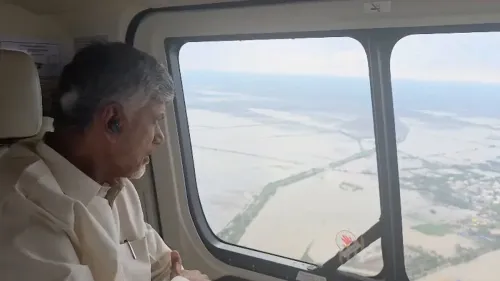
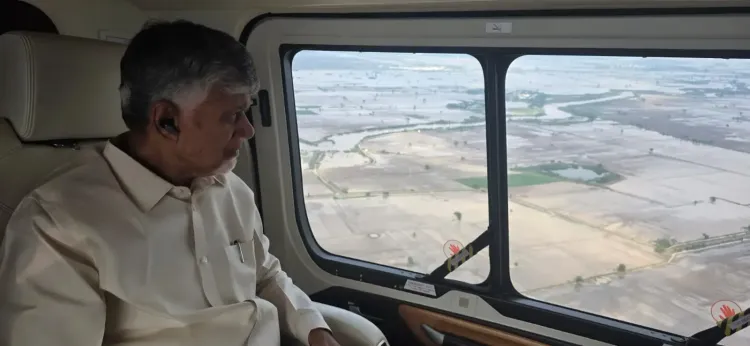
Cyclone Murasu: Chandrababu Naidu surveys Guntur, Bapatla, Prakasam from air
Synopsis
Andhra Pradesh is fighting two disasters at once — cyclone Murasu flooding its coast while Rayalaseema faces one of the worst droughts in years, with Anantapur recording the second-lowest rainfall in the country. Chief Minister Chandrababu Naidu's aerial survey and his push on the IMCT signal that the state is building a case for substantial Central relief, with a formal report due within the week.
Key Takeaways
Chandrababu Naidu conducted an aerial survey of Guntur , Bapatla , and Prakasam districts hit by cyclone 'Murasu' on 4 November 2026 .
Officials directed to clear waterlogging in Karamchedu , Kothapatnam , Chirala , Chilakaluripet , and Parchur .
Andhra Pradesh has declared 388 mandals across 21 districts as drought-affected; Anantapur recorded the second-lowest rainfall in the country.
The Inter-Ministerial Central Team (IMCT) met Naidu after touring Kurnool , Nandyal , Anantapur , and Sri Sathya Sai districts on 2–3 November .
State to submit a detailed drought report to the Centre within a week .
Naidu requested the Centre to raise workdays under the VB-G RAM G scheme to 200 days for agricultural use.
Andhra Pradesh Chief Minister N. Chandrababu Naidu on Wednesday, 4 November 2026, conducted an aerial survey of Guntur, Bapatla, and Prakasam districts battered by cyclone 'Murasu', as the state grappled simultaneously with flood damage along the coast and a deepening drought crisis in its interior regions. The visit signals the government's urgency in assessing ground-level damage before formal relief disbursement begins.
Key Directions from the Aerial Survey
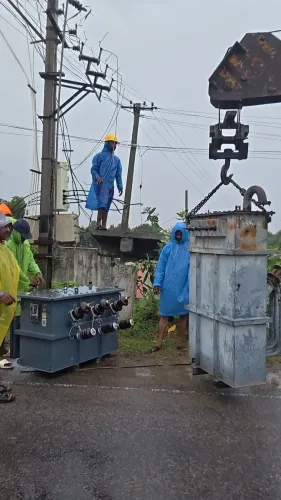
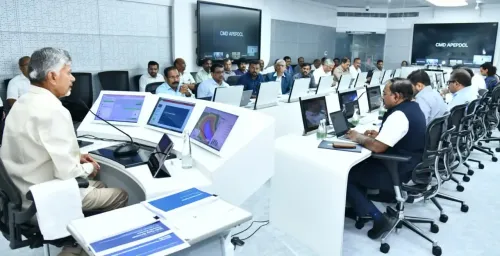
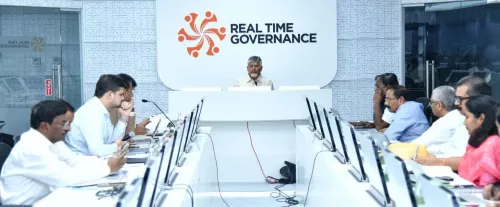
Following the survey, Naidu directed officials to take immediate steps to clear waterlogging in Karamchedu, Kothapatnam, Chirala, Chilakaluripet, and Parchur. At a subsequent review meeting at RTGS, he instructed district collectors to ensure that road traffic was not disrupted in affected zones.
Officials also briefed the Chief Minister that heavy rains were continuing in tribal areas of Eluru district. The Eluru District Collector reported that minor irrigation tanks in some areas were overflowing — adding to the pressure on an already stretched relief machinery.
Drought Crisis Compounds Cyclone Damage
Even as coastal Andhra Pradesh battled the cyclone's aftermath, Naidu highlighted that Rayalaseema and several other inland regions were simultaneously reeling under severe drought caused by deficient rainfall and the cumulative impact of the El Niño weather pattern. The state has declared 388 mandals across 21 districts as drought-affected and has already submitted a report to the Centre seeking financial assistance.
Naidu drew particular attention to Anantapur district, which reportedly recorded the second-lowest rainfall in the country this year. Farmers in Rayalaseema, he said, were facing acute shortages of irrigation water, drinking water, and fodder — a triple stress that threatened both Kharif crop survival and rural livelihoods.
IMCT Meet: State Presses Centre for Relief
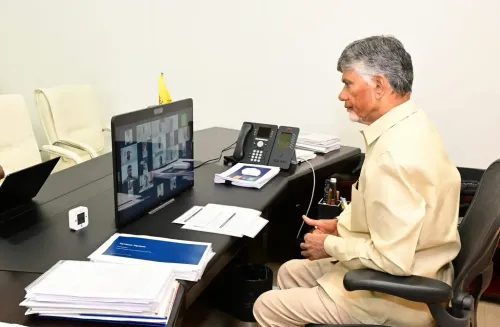
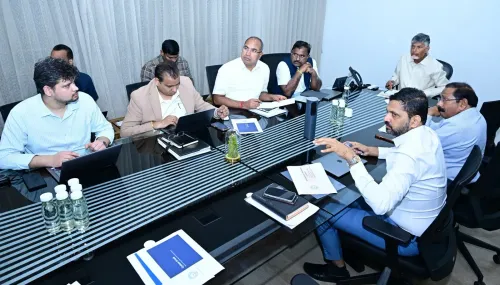
The Inter-Ministerial Central Team (IMCT), which had toured Kurnool, Nandyal, Anantapur, and Sri Sathya Sai districts on 2 and 3 November to assess the drought situation, met Naidu on Wednesday and briefed him on their findings. The Chief Minister used the meeting to press the Centre for expanded assistance, stating that the assessment had provided a clear understanding of the rainfall deficit, crop losses, and ongoing relief measures.
Naidu indicated the state would submit a detailed drought report to the Centre within a week.
Employment and Natural Farming Push
The Chief Minister also raised a structural demand: he requested the Central team to increase the minimum number of workdays under the VB-G RAM G scheme to 200 days and allow its utilisation for agricultural activities. Naidu argued the move would help address a shortage of agricultural labour while simultaneously creating additional rural employment — framing it as a solution that serves both immediate crisis relief and longer-term farm resilience through natural farming adoption.
With a formal state report due within the week and IMCT findings pending submission to the Centre, the pace of Central relief disbursement will be closely watched by farmers and local administrations alike.
Point of View
Which typically handles flood and drought as separate events rather than simultaneous emergencies in the same state. Naidu's calculated use of the IMCT visit to also push for labour scheme reforms suggests the state is trying to convert a crisis window into structural policy gains, which is tactically shrewd but risks diluting the urgency of immediate farmer relief. The Anantapur data point — second-lowest rainfall in the country — deserves more Central attention than it has received. If the detailed report due within a week does not translate into a swift Central package, the Kharif loss in Rayalaseema could cascade into a rural debt spiral ahead of the next sowing season.
NationPress
4 Nov 2026
Frequently Asked Questions
Which districts did CM Chandrababu Naidu survey after cyclone Murasu?
Chief Minister N. Chandrababu Naidu conducted an aerial survey of Guntur, Bapatla, and Prakasam districts on 4 November 2026, all of which were hit by cyclone Murasu. He subsequently directed officials to clear waterlogging in Karamchedu, Kothapatnam, Chirala, Chilakaluripet, and Parchur.
How many mandals has Andhra Pradesh declared as drought-affected?
Andhra Pradesh has declared 388 mandals across 21 districts as drought-affected. The state has already submitted a report to the Centre seeking financial assistance and is preparing a detailed drought report due within a week.
What is the IMCT and why did it visit Andhra Pradesh?
The Inter-Ministerial Central Team (IMCT) is a Central government body that visits states to assess disaster situations and recommend relief. It toured Kurnool, Nandyal, Anantapur, and Sri Sathya Sai districts on 2 and 3 November to evaluate the drought situation, before briefing CM Naidu on its findings on 4 November.
Why is the drought situation in Rayalaseema particularly severe?
Rayalaseema has received significantly below-normal rainfall this year, compounded by the El Niño effect, leaving farmers facing shortages of irrigation water, drinking water, and fodder. Anantapur district, located in the region, reportedly recorded the second-lowest rainfall in the entire country this year.
What did CM Naidu request from the Centre regarding the VB-G RAM G scheme?
Naidu requested the Central team to increase the minimum number of workdays under the VB-G RAM G scheme from the current level to 200 days and to allow these workdays to be utilised for agricultural activities. He argued this would address the agricultural labour shortage and generate rural employment while supporting the adoption of natural farming.