CM Chandrababu Visits Palnadu Farm, Reviews Natural Farming Push
Synopsis
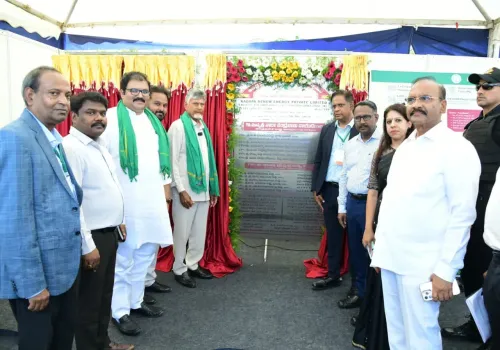
Chief Minister Chandrababu Naidu visited Palnadu on 20 June 2026 during the Annadatha Sukhibhava fund-release event, inspecting natural farming fields, a traditional oil-extraction unit, and a cow-based input production centre at Lingamguntla village.
Key Takeaways
CM Chandrababu Naidu visited Palnadu district on 20 June 2026 as part of the Annadatha Sukhibhava fund-release programme.
He inspected the natural farming fields of farmer Gudipalli Nagabhushanam at Lingamguntla village, who reported lower input costs and higher yields after switching to chemical-free methods.
The CM also reviewed a traditional oil-extraction unit ( ganuga ) producing oils from groundnut, sesame, and coconut using natural cold-press methods.
A cow-based natural farming resource centre was visited, where inputs including Jeevamrutham , Ghana Jeevamrutham , and Neemastra are produced from locally available materials and distributed to farmers.
Andhra Pradesh has promoted Zero Budget Natural Farming since 2015-16 , pairing it with direct income support schemes to address soil degradation and rising fertiliser costs.
The state plans to expand natural farming resource centres to more districts alongside further Annadatha Sukhibhava disbursements.
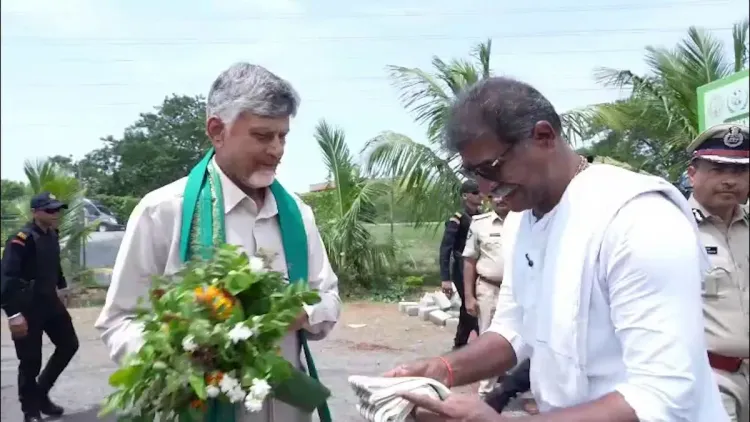
Chief Minister Nara Chandrababu Naidu visited Palnadu district on Saturday, 20 June 2026 as part of the Annadatha Sukhibhava fund-release programme, inspecting the natural farming fields of local cultivator Gudipalli Nagabhushanam at Lingamguntla village and reviewing cow-based agricultural input production at a resource centre.
Context
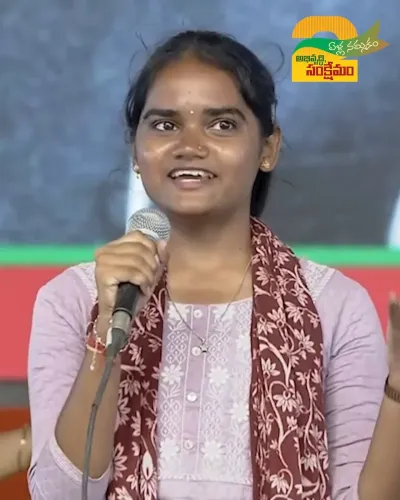
During the field visit, Nagabhushanam explained his natural farming practices to the Chief Minister, noting that the shift away from chemical inputs had reduced his cost of cultivation while improving soil fertility and crop yields, making farming profitable. The farmer also demonstrated a traditional oil-extraction unit (ganuga) that cold-presses groundnut, sesame, and coconut using natural methods.
CM Naidu inspected the unit and heard how Nagabhushanam supplies naturally extracted oils from these oilseeds. The visit illustrated the state government's effort to showcase on-ground success stories of chemical-free cultivation to wider audiences.
Policy Backdrop
Andhra Pradesh began large-scale promotion of Zero Budget Natural Farming (ZBNF) from 2015-16, popularising cow-based bio-inputs such as Jeevamrutham (liquid fermented bio-fertiliser), Ghana Jeevamrutham (solid form), and Neemastra (neem-based pest repellent). The current government has continued and expanded this framework, pairing it with direct income support to farmers.
The Annadatha Sukhibhava scheme provides annual financial assistance through direct benefit transfers to landowning farmers across the state. By combining cash transfers with extension of low-input farming, the government aims to address both immediate income stress and longer-term soil degradation caused by heavy chemical use.
CM Naidu stated during the visit that the state is actively promoting natural farming and building awareness among farmers about the damage caused by chemical fertilisers and pesticides.
Stakeholders and Impact
Small and marginal farmers in Palnadu district — a region known for groundnut and oilseed cultivation carved from the erstwhile Guntur district — stand to benefit most directly from the dual policy thrust. The cow-based natural farming resource centre visited by the Chief Minister locally produces and distributes inputs such as Jeevamrutham, Ghana Jeevamrutham, and Neemastra to surrounding cultivators, reducing their dependence on purchased chemical inputs.
The approach mirrors similar dual-emphasis policies adopted by several other Indian states since the mid-2010s, reflecting a broader national conversation about sustainable agriculture and farmer welfare. Reduced input costs, when realised, translate directly into improved net farm income for households that are often heavily indebted.
What's Next
The state government is expected to roll out additional natural farming resource centres across other districts as part of the same programme. Subsequent tranches of Annadatha Sukhibhava disbursements are also anticipated in remaining districts, extending the fund-release tour that brought CM Naidu to Palnadu. The Lingamguntla visit is likely to serve as a model demonstration for scaling the cow-based input production model statewide.
Point of View
CM Naidu signals that the natural farming agenda is not merely a legacy programme but an active priority of his current term. The pairing of cash transfers with low-input agriculture is increasingly the preferred model for states seeking to reduce subsidy burdens on chemical inputs while improving farmer net income. Whether the model scales beyond showcase villages will be the real test of the policy's reach.
NationPress
21 Jun 2026
Frequently Asked Questions
What is the Annadatha Sukhibhava scheme in Andhra Pradesh?
Annadatha Sukhibhava is a direct benefit transfer scheme by the Andhra Pradesh government that provides annual financial assistance to landowning farmers in the state.
Why did CM Chandrababu Naidu visit Palnadu district in June 2026?
CM Naidu visited Palnadu on 20 June 2026 as part of the Annadatha Sukhibhava fund-release programme, where he inspected natural farming fields and a cow-based agricultural input centre at Lingamguntla village.
What is Zero Budget Natural Farming and how is Andhra Pradesh promoting it?
Zero Budget Natural Farming (ZBNF) is a chemical-free farming method that relies on cow-based bio-inputs like Jeevamrutham and Neemastra. Andhra Pradesh has promoted it since 2015-16 and is setting up local resource centres to produce and distribute these inputs to farmers.
Who is Gudipalli Nagabhushanam?
Gudipalli Nagabhushanam is a farmer from Lingamguntla village in Palnadu district who practices natural farming and operates a traditional oil-extraction unit producing groundnut, sesame, and coconut oils.
What are Jeevamrutham and Neemastra used for in natural farming?
Jeevamrutham is a liquid fermented bio-fertiliser made from cow dung and urine that enriches soil microbes, while Neemastra is a neem-based natural pesticide. Both are key inputs in Zero Budget Natural Farming and are produced locally at cow-based resource centres in Andhra Pradesh.