CM Chhattisgarh: PM Modi Celebrates Diwali in Bastar
Synopsis
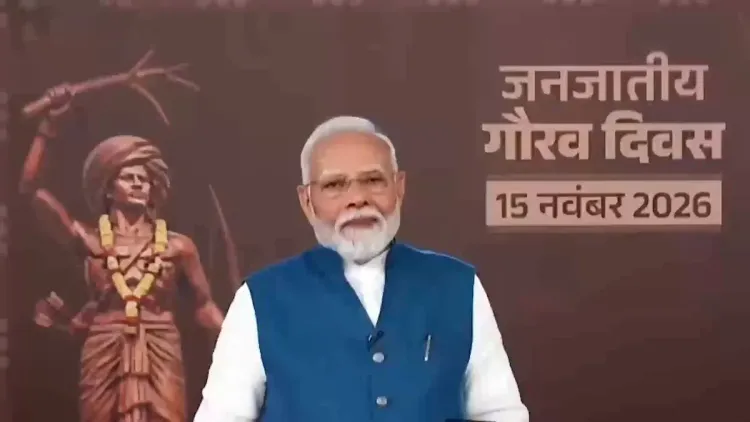
On Janjatiya Gaurav Diwas, PM Modi — quoted by Chhattisgarh's CMO — described celebrating Diwali with security forces in Bastar, declaring that hope has arrived in areas once dominated by Naxalite insurgency, and saluting tribal communities as contributors to national progress.
Key Takeaways
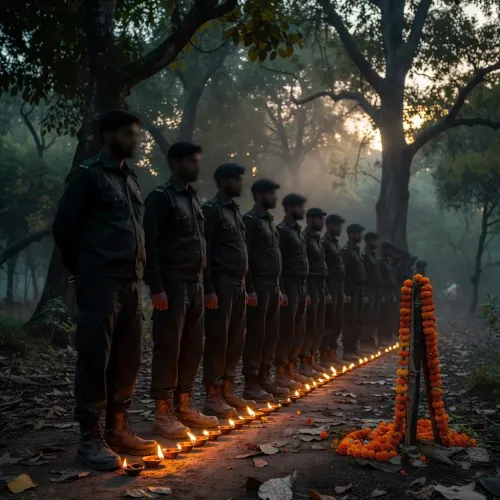
PM Narendra Modi celebrated Diwali with security forces at the heart of Bastar , a region long considered a Naxalite stronghold.
The statement was shared by the Chief Minister's Office of Chhattisgarh on 15 November 2026 , coinciding with Janjatiya Gaurav Diwas .
Janjatiya Gaurav Diwas was instituted in 2021 on the birth anniversary of tribal freedom fighter Birsa Munda .
Sustained anti-Naxal operations since 2014 have led to a reported decline in LWE-related incidents across Chhattisgarh, Jharkhand, and Odisha .
PM Modi framed tribal communities not as welfare recipients but as active contributors to national progress.
Policy watchers will track official LWE violence assessments expected around Republic Day 2027 .
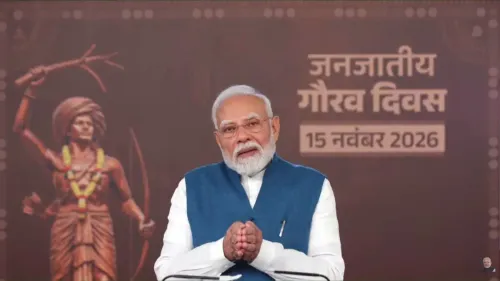
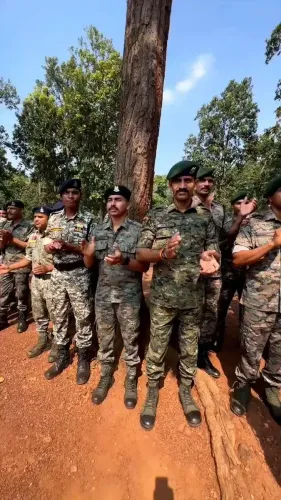
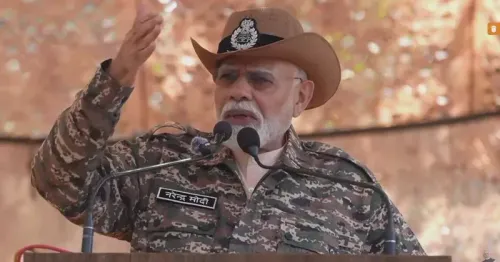
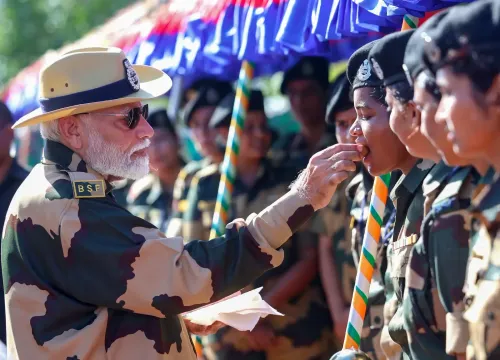
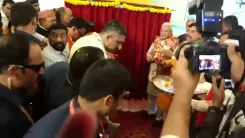
A region that once sent fear down the spine of anyone who dared enter it lit up this Diwali with something more than lamps — it lit up with hope. Prime Minister Narendra Modi, quoted by the Chief Minister's Office of Chhattisgarh on Sunday, 15 November 2026, shared that he recently celebrated Diwali with security forces at the heart of Bastar, the southern Chhattisgarh district that for decades stood as one of India's most entrenched Naxalite strongholds.
Speaking on the occasion of Janjatiya Gaurav Diwas, PM Modi reflected: 'Naxal prabhavit rahe ilakon mein is baar Diwali mein diyon ke saath-saath umeed ki roshni bhi pahunchi hai' — 'In the areas that were once Naxal-affected, this Diwali brought not just the light of lamps but also the light of hope.' The statement, shared with the hashtags #JanjatiyaGauravDiwas, #NarendraModi, and #Chhattisgarh, arrives on a date that carries particular weight for India's tribal communities.
Janjatiya Gaurav Diwas and Why 15 November Matters
15 November is the birth anniversary of Birsa Munda, the revered tribal freedom fighter from Jharkhand. The Government of India formally instituted Janjatiya Gaurav Diwas in 2021 to mark tribal pride and to honour the contributions of indigenous communities to the freedom struggle. The choice of Bastar — historically a 'no-go' zone — as the symbolic centrepiece of this year's observance is deliberate and pointed.
Chhattisgarh hosts one of the highest concentrations of Scheduled Tribe population in India. For much of the last three decades, its southern districts were also the operational heartland of Left-Wing Extremism. The juxtaposition of a national holiday celebrating tribal legacy against the backdrop of a region once controlled by Maoist insurgents is precisely the narrative the government is projecting.
Bastar's Long Road From 'No-Go' Zone to Diwali Celebration
The transformation of Bastar has been gradual and contested. Central and state security forces have conducted sustained anti-Naxal operations across Left-Wing Extremism (LWE) districts since 2014, establishing new security camps and pushing insurgent groups back from areas they had held for years. Official data over the last decade point to a steady decline in Naxal-related incidents, accompanied by the expansion of roads, schools, and health infrastructure in former core zones.
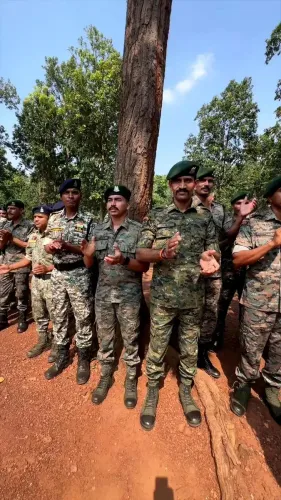
That a Prime Minister could walk into what was recently described as a danger zone, sit with CRPF and state police jawans, and mark a festival — that image, more than any statistic, is the government's argument. It is governance by presence.
Tribal Communities as Nation-Builders, Not Subjects
PM Modi's remarks go beyond security. 'Aaj hamara janjatiya samaj desh ki pragati mein yogdan de raha hai' — 'Today, our tribal society is contributing to the progress of the nation.' The framing is a deliberate pivot: from tribal communities as victims of insurgency or objects of welfare to active participants in national development. Schemes such as PM JANMAN, targeting the most marginalised tribal groups in LWE-affected districts, form part of this policy push.
The broader pattern across Chhattisgarh, Jharkhand, and Odisha has been the pairing of intensified security deployment with targeted development spending — roads that double as logistical supply lines, schools that double as soft-power anchors. Whether these gains prove durable is the question policy watchers will track as official violence assessments are released around Republic Day 2027.
When a Prime Minister celebrates Diwali in Bastar, it is not just a festival moment — it is a statement that the Indian state has arrived, and intends to stay.
Point of View
The Prime Minister collapses the security and development arguments into a single image. It reinforces the BJP's long-held claim that decades of Naxal influence are being rolled back through a combination of force and welfare — a narrative with particular electoral salience in tribal-majority Chhattisgarh. The pivot from 'rescue tribal communities from insurgency' to 'tribal communities are nation-builders' also signals a maturation of the government's messaging: ownership, not victimhood, is now the dominant frame.
NationPress
15 Nov 2026
Frequently Asked Questions
What is Janjatiya Gaurav Diwas and why is it celebrated on 15 November?
Janjatiya Gaurav Diwas is a national observance instituted by the Government of India in 2021 on 15 November , the birth anniversary of tribal freedom fighter Birsa Munda , to honour the contributions of indigenous communities to India's freedom struggle and nation-building.
Why did PM Modi celebrate Diwali with security forces in Bastar?
PM Modi visited Bastar to celebrate Diwali with security forces as a symbol of the region's transformation from a Naxalite stronghold to an area gradually coming under normal governance, using the gesture to highlight progress in Left-Wing Extremism -affected districts.
What is the current security situation in Bastar, Chhattisgarh?
Official data over the past decade indicate a steady decline in Naxal-related incidents in Bastar following sustained anti-Naxal operations since 2014 , though the region continues to have a significant security force presence and ongoing operations.
What is the PM JANMAN scheme mentioned in the context of tribal areas?
PM JANMAN is a central government scheme targeting the most marginalised tribal communities in LWE-affected districts, aimed at delivering infrastructure and welfare services to areas previously inaccessible due to Naxalite influence.
Which states in India are most affected by Left-Wing Extremism?
Chhattisgarh, Jharkhand, and Odisha have historically recorded the highest concentration of Left-Wing Extremism activity in India, with Bastar in Chhattisgarh long considered the operational heartland of Naxalite insurgency.