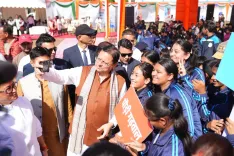
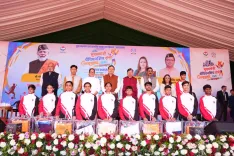
CM Samrat Choudhary Addresses Youth at Pataliputra Parliament
Synopsis
Bihar Chief Minister Samrat Choudhary addressed youth at Pataliputra National Youth Parliament-2.0 in Patna on November 1, 2026, urging students to strengthen democratic values and contribute actively to the Viksit Bharat 2047 national development vision.
Key Takeaways
Bihar Chief Minister Samrat Choudhary personally addressed the Pataliputra National Youth Parliament-2.0 in Patna on November 1, 2026 .
He called on youth to strengthen democratic values, pursue knowledge, and take an active role in national development.
The appeal was explicitly linked to the Viksit Bharat 2047 national vision of achieving developed-nation status by India's centenary of Independence.
The event is the second edition of the Pataliputra Youth Parliament, signalling a growing institutional effort at youth civic engagement in Bihar.
Youth parliaments across Indian states form part of a broader national pattern of building democratic awareness among students.
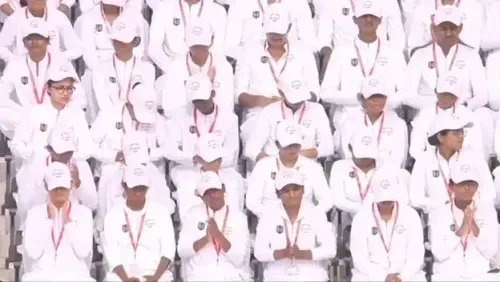
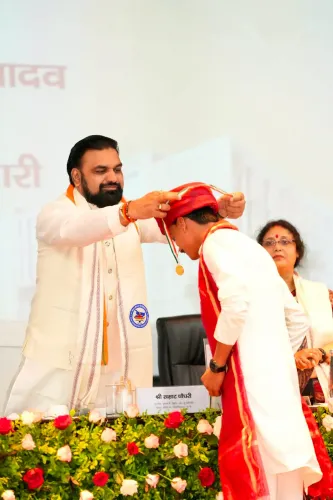
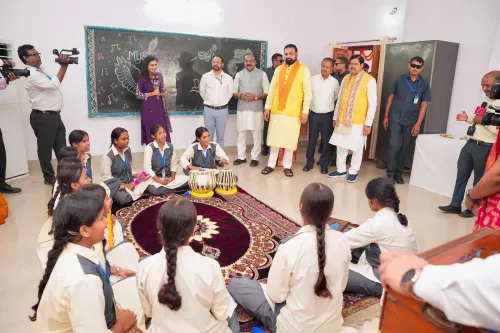
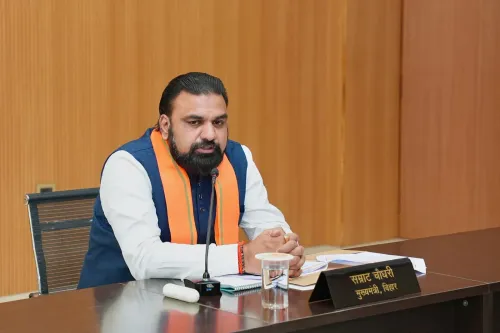
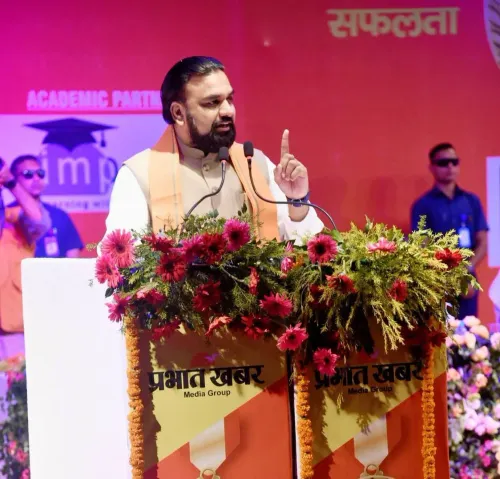
In a hall filled with Bihar's next generation of democratic voices, Bihar Chief Minister Samrat Choudhary took the stage at the 'Pataliputra National Youth Parliament-2.0' in Patna on Sunday, November 1, 2026 — and issued a direct challenge to the young people in front of him: help build a developed India by 2047.
Posting on X after the engagement, Chief Minister Choudhary wrote that he 'interacted with youth at Pataliputra National Youth Parliament-2.0 in Patna' and called upon them to 'strengthen democratic values, acquire knowledge, and play an active role in building Viksit Bharat [Developed India] by 2047.' The message was pointed, purposeful, and tied directly to the national development vision that has become a centrepiece of BJP's long-range political agenda.
What Pataliputra Youth Parliament-2.0 represents
Youth parliaments — events where students simulate legislative debate and democratic deliberation — have become a growing fixture across Indian states. The Pataliputra edition, now in its second iteration, places Bihar within a national pattern of state governments using such forums to build civic literacy among students before they enter the electorate. The 'National' tag signals ambition: this is not a local school exercise but a platform designed to project Bihar's democratic culture on a wider stage.
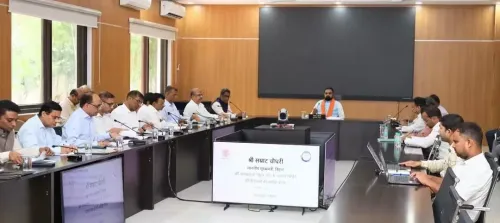
Chief Minister Choudhary's personal attendance and address, rather than a delegation to a junior official, underlines the political weight his administration has chosen to give the event. For a state historically associated in public discourse with governance challenges, a Chief Minister standing before student-parliamentarians and invoking Viksit Bharat 2047 is a deliberate reframe — Bihar's youth as architects of a national ambition, not bystanders to it.
Viksit Bharat 2047 — the bigger frame behind the call
The Viksit Bharat 2047 vision — India's goal of achieving developed-nation status by the centenary of Independence — has been the organising framework for a wave of state-level mobilisation programmes since its articulation at the national level. By invoking it explicitly before a youth audience in Patna, Choudhary is doing what state BJP leaders across the country have been doing: translating a macro-national aspiration into a local, personal call to action.
The audience that matters most here is not in the hall — it is every student, parent, and voter watching the images from the event. Youth-focused, visually energetic, forward-dated to 2047: the optics are crafted to position Bihar's current leadership as thinking decades ahead, not just election cycles.
Watch for whether this second edition of the Pataliputra Youth Parliament is followed by concrete policy steps — scholarship expansions, youth-advisory structures, or skill-development announcements — that give the rhetoric a programmatic backbone.
Frequently Asked Questions
What is the Pataliputra National Youth Parliament?
The Pataliputra National Youth Parliament is a youth-focused parliamentary simulation event held in Patna, Bihar, where young people engage with democratic processes and legislative debate. The 2026 edition was its second instalment, titled Youth Parliament-2.0.
What did Bihar CM Samrat Choudhary say at the Youth Parliament?
Chief Minister Samrat Choudhary called on youth to strengthen democratic values, acquire knowledge, and play an active role in building a developed India by 2047 under the Viksit Bharat vision.
What is Viksit Bharat 2047?
Viksit Bharat 2047 is the national vision to transform India into a fully developed nation by 2047, the centenary of Indian Independence. It has been a central framework for policy and mobilisation programmes under the BJP-led government.
Why is Bihar hosting a National Youth Parliament?
State governments across India are using youth parliaments to build democratic awareness and civic literacy among students. Bihar's Pataliputra edition carries a national-level ambition, reflecting the state leadership's push to position Bihar's youth as contributors to long-term national development goals.
Who is Samrat Choudhary?
Samrat Choudhary is the Chief Minister of Bihar and a senior leader of the Bharatiya Janata Party (BJP).