CM Chandrababu Cancels Delhi Visit as Cyclone Threatens AP Coast
Synopsis
Chief Minister Chandrababu Naidu cancelled his Delhi trip on November 1 as a Bay of Bengal cyclone is forecast to intensify into a severe cyclonic storm and make landfall near Bapatla, Andhra Pradesh, by the morning of November 3. The CM has already reviewed relief operations.
Key Takeaways
CM Nara Chandrababu Naidu cancelled his scheduled Delhi visit on November 2 in view of the approaching cyclone.
The system is forecast to become a severe cyclonic storm by November 2 in the west-central Bay of Bengal.
Landfall is projected near Bapatla, Andhra Pradesh , on the morning of November 3 .
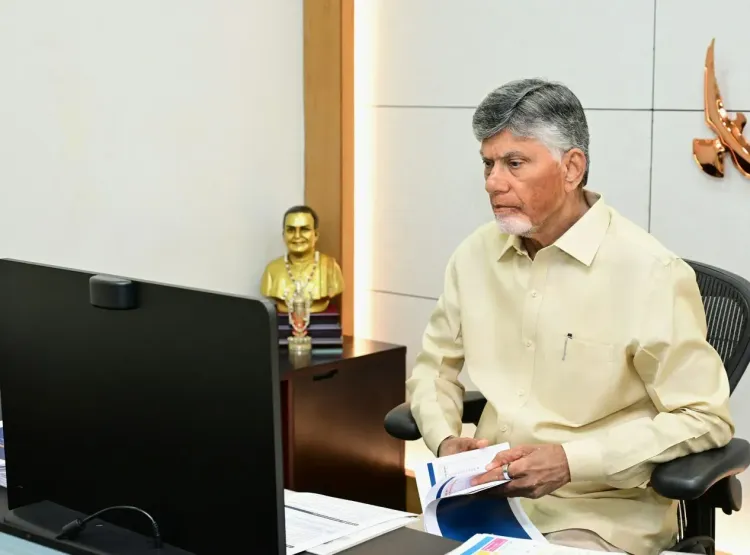
CM Naidu has already conducted a review of relief operations for the storm.
Andhra Pradesh updated its disaster response protocols after Cyclone Michaung in December 2023 .
Coastal communities, fishermen, and residents of the Bapatla-Guntur coastal belt are in the primary impact zone.
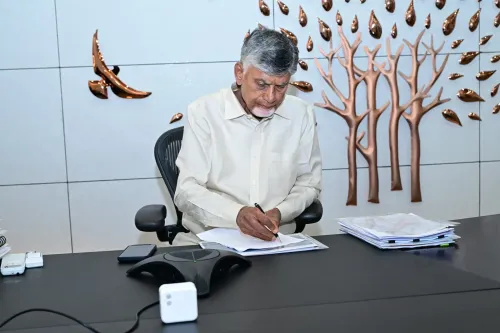
With a cyclonic system churning in the Bay of Bengal and tracking directly toward Andhra Pradesh, Chief Minister Nara Chandrababu Naidu has cancelled his scheduled visit to Delhi on Monday, November 2, choosing instead to remain at the helm of the state's disaster preparedness machinery. The decision, announced by the Chief Minister's Office of Andhra Pradesh on Sunday, November 1, signals that the incoming storm is being treated as a serious and imminent threat.
The Track: From Depression to Landfall Near Bapatla
According to the CMO's post, the current low-pressure system is projected to intensify in rapid stages — first into a deep depression, then a cyclonic storm, and ultimately a severe cyclonic storm by November 2 in the west-central Bay of Bengal. By the morning of November 3, forecasts suggest it could make landfall near Bapatla, a coastal district in Andhra Pradesh, as a severe cyclonic storm.
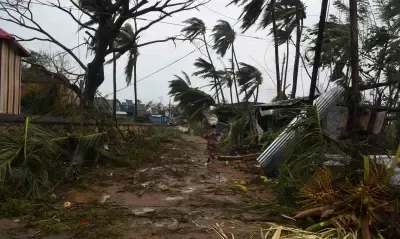
Bapatla sits on the state's central coastline, an area that has historically borne the brunt of Bay of Bengal systems. The combination of a projected rapid intensification and a tightly estimated landfall window makes this a high-alert situation for coastal communities and fishermen in the region.
CM Naidu Reviews 'Arnab' Relief Preparations
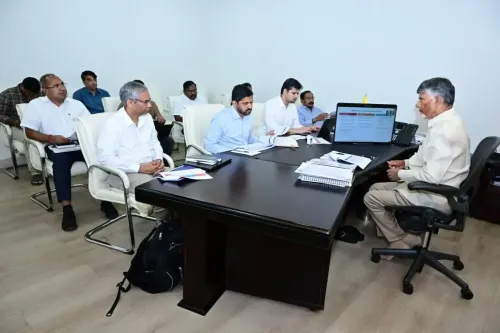
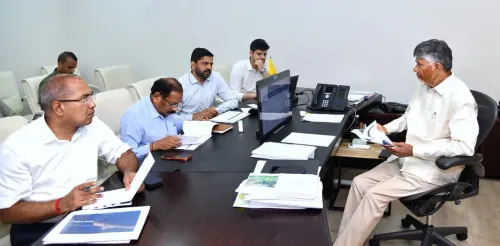
The CMO confirmed that CM Naidu conducted a review meeting on relief operations for what the post refers to as Arnab tufanu — Cyclone Arnab. Cancelling a trip to the national capital to personally oversee disaster response is a strong signal of how seriously the administration is reading the storm's potential. After Cyclone Michaung battered the state's coast in December 2023, Andhra Pradesh updated its disaster response protocols to sharpen early warnings, pre-position relief, and accelerate evacuation coordination — and those frameworks are now being activated again.
Andhra Pradesh has standing procedures for monitoring Bay of Bengal depressions, and successive governments have kept the state's disaster machinery on a permanent alert footing given how routinely these systems develop. The real-time review by the Chief Minister himself pushes that machinery into its highest gear.
What Coastal Communities Are Watching
For the fishermen and residents of Bapatla, Guntur, and the surrounding coastal belt, the next 36 hours are critical. Evacuation orders, the activation of relief camps, and any shifts in the storm's track from the state disaster management authority will define how the response unfolds. CM Naidu's presence in the state rather than in Delhi means decisions — on troop deployment, fund releases, or inter-district coordination — can be made at the fastest possible pace.
Every hour of preparation before a severe cyclonic storm makes landfall translates directly into lives protected. The Chief Minister has made his choice about where to be.
Point of View
Being physically present during a major natural disaster carries its own electoral and administrative logic. The move also reflects how deeply the Bay of Bengal cyclone cycle is baked into Andhra Pradesh's political calendar: no coastal-state leader can afford to be seen as absent when a severe storm is hours from landfall. With rapid intensification forecasts and a tight landfall window near Bapatla, the next 36 hours will test how effectively the post-Michaung protocol upgrades hold up under real conditions.
NationPress
1 Nov 2026
Frequently Asked Questions
Why did CM Chandrababu Naidu cancel his Delhi visit?
CM Naidu cancelled his Delhi visit scheduled for November 2 due to the threat of an approaching cyclone forecast to make landfall near Bapatla, Andhra Pradesh, on November 3 as a severe cyclonic storm.
Where is the cyclone expected to make landfall in Andhra Pradesh?
The cyclone is forecast to make landfall near Bapatla, a coastal district in Andhra Pradesh, on the morning of November 3, 2026.
How strong is the cyclone expected to be when it hits Andhra Pradesh?
According to the CMO's forecast, the system is expected to intensify into a severe cyclonic storm by November 2 and maintain that intensity at the time of landfall near Bapatla on November 3.
What is CM Naidu doing to prepare for the cyclone?
CM Naidu has conducted a review of relief operations for the storm and has chosen to remain in Andhra Pradesh to personally oversee the disaster response machinery.
Which districts of Andhra Pradesh are most at risk from this cyclone?
Bapatla and the surrounding coastal belt, including parts of Guntur district, are in the primary projected impact zone based on the current landfall forecast.