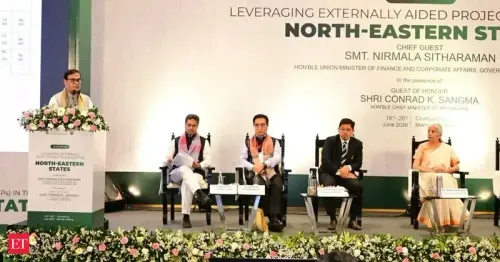
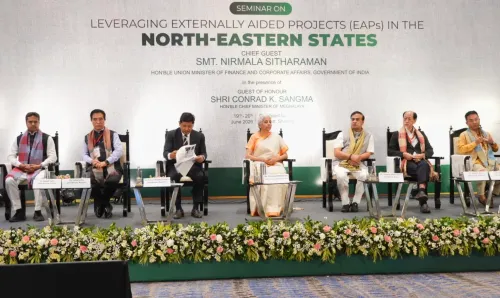
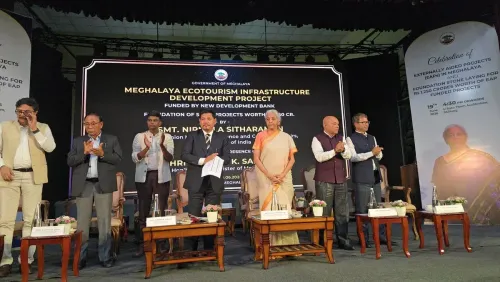
CM Conrad Sangma attends EAPs North-East Conference closing
Synopsis
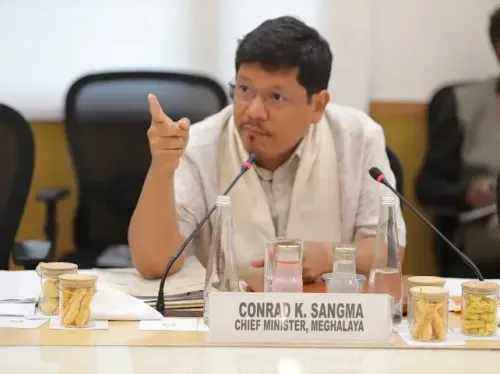
Meghalaya Chief Minister Conrad Sangma attended the closing session of the Leveraging EAPs in North-East Conference on 20 June 2026, stressing that externally aided projects must build capacity and deliver services, not just channel funds, and thanking Finance Minister Nirmala Sitharaman and fellow Chief Ministers for their commitment to the region.
Key Takeaways
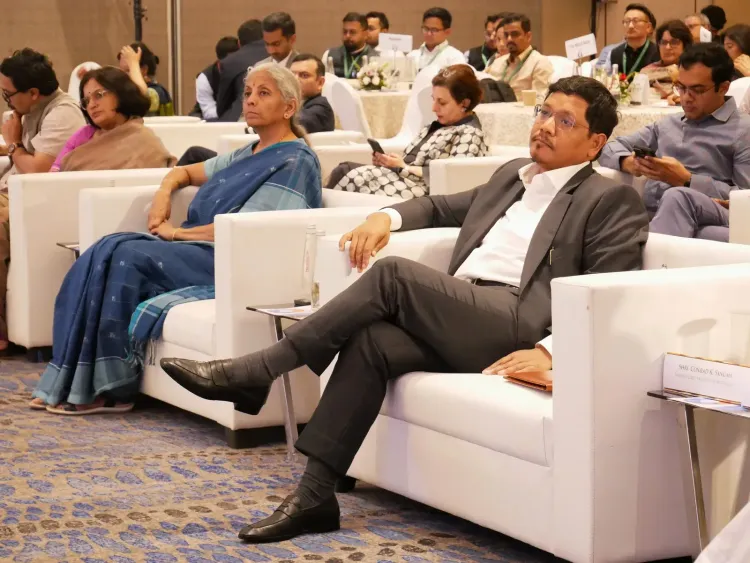
Conrad Sangma attended the closing session of the Leveraging EAPs in North-East Conference on 20 June 2026 .
He emphasised that EAPs must focus on capacity building , institutional strengthening and service delivery , not just fund disbursement.
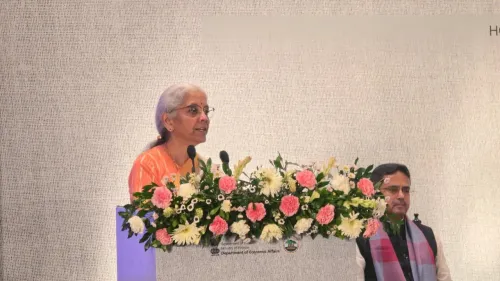
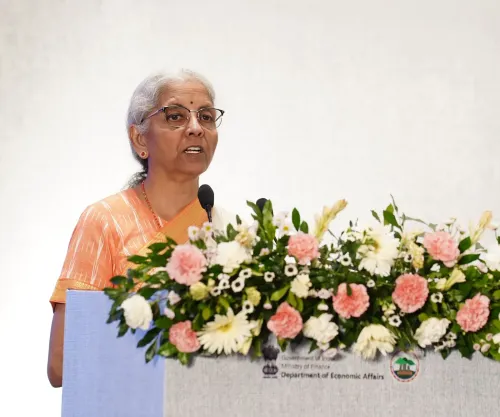
Union Finance Minister Nirmala Sitharaman and multiple North-East Chief Ministers participated in the two-day dialogue.
EAPs are financed by multilateral agencies including the World Bank and ADB to address infrastructure and governance gaps in the region.
The conference aligns with India's Act East Policy (2014) and the mandate of the Ministry of Development of North Eastern Region (est.
Sangma called for follow-through, stating success depends on 'translating discussions into meaningful action on the ground.'
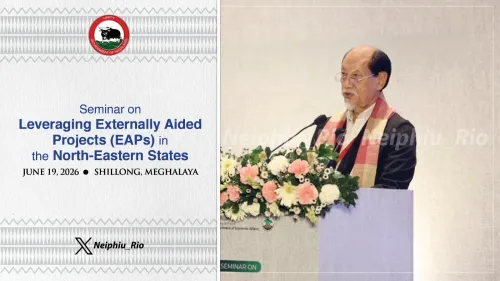
Meghalaya Chief Minister Conrad Sangma attended the closing session of the Leveraging Externally Aided Projects (EAPs) in North-East Conference on Saturday, 20 June 2026, expressing confidence that the two-day dialogue will meaningfully strengthen development across the eight-state region.
Context
Posting on X after the conference concluded, Conrad Sangma underlined that EAPs go beyond mere funding. 'EAPs are not just about funding, they are about building capacity, strengthening institutions and improving the delivery of services to our people,' he wrote, framing the conference as a platform for shared learning and partnership rather than a routine grant exercise.
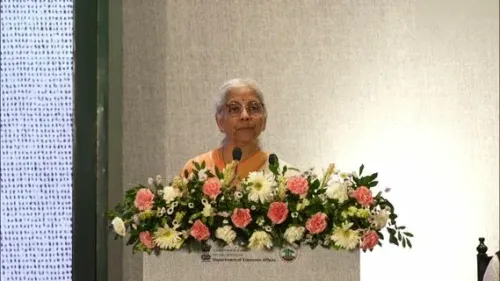
He extended special gratitude to Union Finance Minister Nirmala Sitharaman, fellow Chief Ministers, development partners and officials for their commitment to the North East, signalling broad political and administrative buy-in for the initiative.
Policy Backdrop
Externally Aided Projects are funded by multilateral agencies such as the World Bank and the Asian Development Bank (ADB) and are designed to address infrastructure gaps and institutional weaknesses that domestic budgets alone have historically struggled to bridge. The Ministry of Development of North Eastern Region, established in 2001, was created precisely to coordinate such central and external assistance for the region.
India's Act East Policy, formally unveiled in 2014, added strategic depth to these efforts by seeking to improve physical and economic linkages between the North East and ASEAN partners through enhanced project funding. The EAPs conference fits squarely within this longer arc of using multilateral frameworks to accelerate governance outcomes in a region marked by difficult terrain and complex connectivity challenges.
Indian policy has consistently combined central-state coordination with external multilateral funding to move beyond fund disbursement toward measurable service-delivery improvements — a goal Sangma explicitly echoed in his post.
Stakeholders and Impact
The conference brought together Chief Ministers from North-East India's eight states, the Union Finance Ministry, and international development partners — a coalition whose alignment is considered essential for translating project approvals into on-the-ground outcomes. Local communities across the region stand to benefit most directly from improved infrastructure and institutional capacity that successful EAP execution can deliver.
Sangma, who also serves as national president of the National People's Party (NPP), used the platform to reinforce Meghalaya's engagement with the broader regional development agenda, positioning the state as an active participant rather than a passive recipient of external aid.
What's Next
Sangma was clear that the measure of the conference's success will be implementation: 'The true success of this conference will lie in translating these discussions into meaningful action on the ground.' Observers will watch for follow-up project sanctioning and disbursement targets in upcoming central and state budgets, as well as the possible formation of monitoring committees involving the Finance Ministry and North-East Chief Ministers to track EAP execution. The emphasis on accountability and measurable outcomes reflects a broader shift in Indian development policy away from process metrics toward demonstrable results for citizens.
Point of View
Not just resource mobilisation. His explicit gratitude to Finance Minister Nirmala Sitharaman also reflects the political value of maintaining visible alignment with the Union government on regional development — a dynamic that carries particular weight for a regional party like the NPP operating within the National Democratic Alliance ecosystem. The call for 'meaningful action on the ground' is a standard post-conference commitment, but it also sets a public accountability benchmark that development partners and civil society can hold state governments to. If follow-up monitoring mechanisms materialise, this conference could mark a modest but genuine step forward in the long-standing challenge of EAP under-utilisation in the North East.
NationPress
21 Jun 2026
Frequently Asked Questions
What is the Leveraging EAPs in North-East Conference?
The Leveraging Externally Aided Projects (EAPs) in North-East Conference is a multi-day dialogue organised with the Union Finance Ministry, North-East Chief Ministers and international development partners to improve the planning, execution and monitoring of externally funded development projects across the eight states of North-East India.
What are Externally Aided Projects (EAPs) in India?
Externally Aided Projects are development initiatives funded by multilateral agencies such as the World Bank and the Asian Development Bank (ADB). They are designed to support infrastructure development, institutional reform and service-delivery improvements in Indian states, including those in the North East.
Why did Conrad Sangma attend the EAPs conference?
Meghalaya Chief Minister Conrad Sangma attended the closing session of the conference on 20 June 2026 to engage in dialogue on strengthening development across North-East India through better use of externally aided project funding and inter-state collaboration.
What did Nirmala Sitharaman's role at the EAPs North-East Conference?
Union Finance Minister Nirmala Sitharaman participated in the conference as a key central government stakeholder. Conrad Sangma specifically thanked her for her commitment to the development of the North East, indicating her active involvement in the proceedings.
What is India's Act East Policy and how does it relate to the North East?
India's Act East Policy, formally unveiled in 2014, aims to improve physical and economic connectivity between North-East India and ASEAN nations through enhanced infrastructure investment and project funding. EAPs are one of the key instruments used to advance this policy goal in the region.