CM Conrad Sangma launches drug rehab centre at Reid Hospital, Shillong
Synopsis
Meghalaya CM Conrad Sangma on 26 June 2026 unveiled the Centre of Evolution at Reid Provincial Chest Hospital, announced support for five new rehabilitation centres, and signed an MoU launching the first government-backed rehab facility in Garo Hills through NGO Sewa Inland, taking the state's total to 19 centres.
Key Takeaways
Centre of Evolution unveiled at Reid Provincial Chest Hospital , Shillong, to provide specialised drug rehabilitation care within an existing government hospital.
Meghalaya now has at least 19 rehabilitation centres — 14 pre-existing plus 5 newly supported facilities.
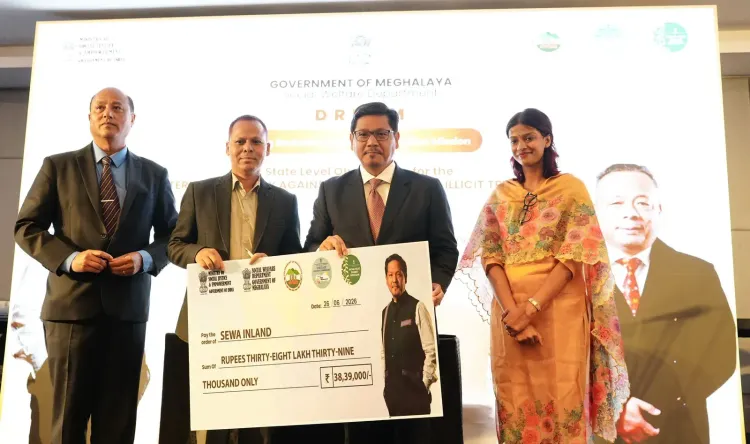
An MoU was signed to launch the first government-supported rehabilitation centre in Garo Hills , operated by NGO Sewa Inland .
Union Minister Dr Virendra Kumar of the Ministry of Social Justice and Empowerment participated, signalling central government backing.
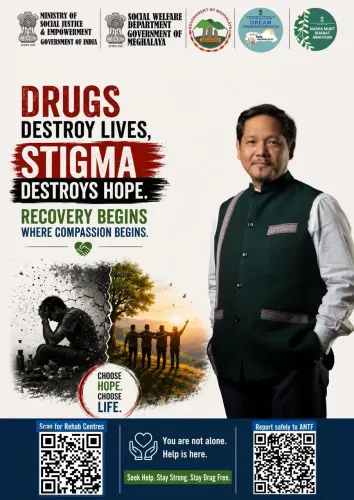
The initiative aligns with India's national policy shift toward treating drug dependence as a public health issue rather than purely a law-and-order concern.
Operationalisation timelines and utilisation data for the new centres remain to be confirmed by state authorities.
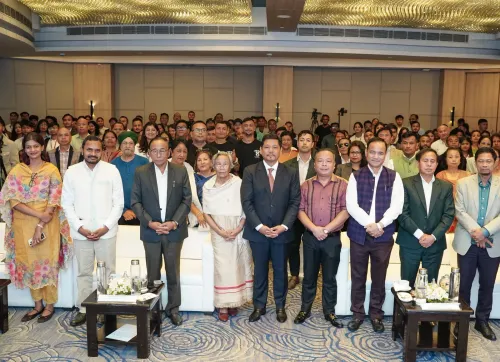
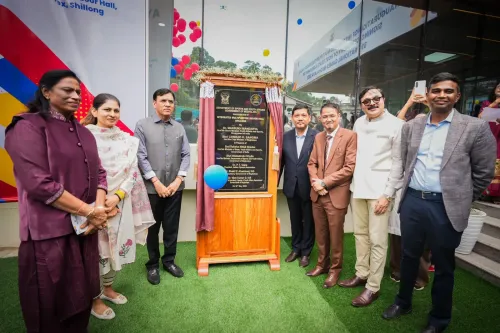
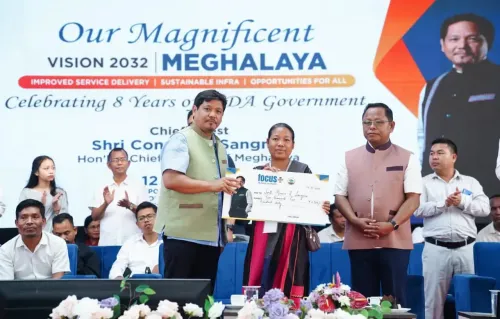
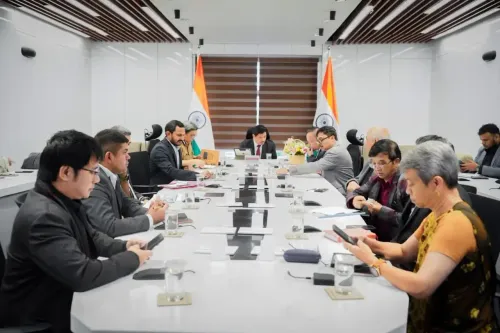
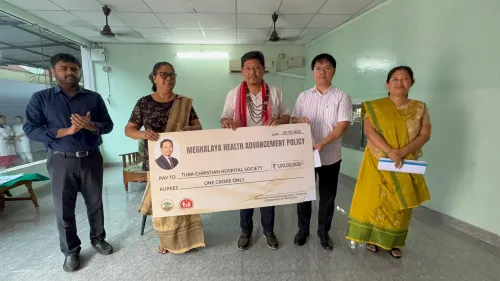
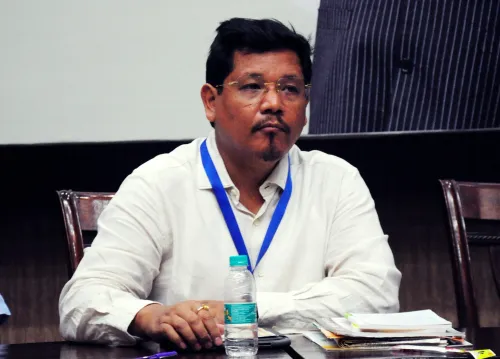
Meghalaya Chief Minister Conrad Sangma on Friday, 26 June 2026, unveiled the Centre of Evolution at Reid Provincial Chest Hospital in Shillong, expanding specialised care and recovery services for persons battling drug dependence. The announcement also covered support for five new rehabilitation centres and the signing of a memorandum of understanding to launch the first government-supported rehabilitation centre in Garo Hills, operated by NGO Sewa Inland.
Context
Reid Provincial Chest Hospital, historically a tuberculosis-focused facility in Shillong, now hosts the newly unveiled Centre of Evolution, marking a significant pivot toward drug rehabilitation within an established government health infrastructure. Chief Minister Sangma described the initiative as part of a commitment to ensure 'help, hope, and healing are within everyone's reach' across Meghalaya. The event also saw the formal participation of Dr Virendra Kumar, Union Minister of Social Justice and Empowerment, reflecting central government backing for the effort.
Policy Backdrop
The expansion brings the total number of rehabilitation centres serving communities in Meghalaya to at least 19, adding five new facilities to the 14 already operational across the state. India's Ministry of Social Justice and Empowerment has long funded Integrated Rehabilitation Centres for Addicts (IRCA) under its Scheme for Prevention of Alcoholism and Substance (Drug) Abuse, a programme with roots going back to the 1990s. The National Policy on Narcotic Drugs and Psychotropic Substances (2012) further cemented demand reduction and rehabilitation as pillars equal in importance to enforcement.
Northeastern India, including Meghalaya, has faced persistent substance abuse challenges linked to trafficking corridors from Myanmar and Bangladesh. Successive state administrations have partnered with the central ministry to expand de-addiction infrastructure in tribal and border-adjacent districts. The approach reflects a broader national shift toward treating drug dependence as a public health issue rather than solely a law-and-order matter.
Stakeholders and Impact
Garo Hills, a tribal-dominated region in western Meghalaya, has faced documented challenges with substance abuse and limited access to formal rehabilitation services. The MoU with Sewa Inland introduces the first government-backed rehabilitation facility in the region, addressing a longstanding service gap. Families of drug-dependent individuals and local NGOs operating in underserved districts stand to benefit most directly from the expanded network.
The Centre of Evolution at Reid Provincial Chest Hospital is positioned to provide specialised clinical care, complementing the community-based recovery model offered by the network of standalone rehabilitation centres. Together, the facilities represent a two-tier approach — hospital-level intervention and community-level support — that public health practitioners have advocated for in high-burden states.
What's Next
The operationalisation timelines for the five new rehabilitation centres and the Sewa Inland facility in Garo Hills will be closely watched by health officials and civil society groups. Any state budget allocations or central grants formalised in the next Meghalaya Legislative Assembly session will indicate the long-term financial commitment behind these announcements. If the expanded infrastructure is matched with trained counsellors, outreach workers, and aftercare programmes, Meghalaya could emerge as a model for rehabilitation-led drug policy in the Northeast.
Point of View
The optics of health-focused governance in a tribal heartland carry electoral weight ahead of future assembly cycles. The real test, however, will be whether staffing, funding continuity, and aftercare systems are in place to convert infrastructure announcements into measurable recovery outcomes.
NationPress
26 Jun 2026
Frequently Asked Questions
What is the Centre of Evolution at Reid Provincial Chest Hospital?
The Centre of Evolution is a newly unveiled specialised drug rehabilitation unit within Reid Provincial Chest Hospital in Shillong, Meghalaya, designed to provide clinical care and recovery services for persons with drug dependence.
How many drug rehabilitation centres does Meghalaya now have?
Meghalaya now has at least 19 rehabilitation centres — 14 that were already serving communities and 5 new ones announced by Chief Minister Conrad Sangma on 26 June 2026.
What is Sewa Inland and what role does it play in Garo Hills?
Sewa Inland is an NGO that signed an MoU with the Meghalaya government on 26 June 2026 to operate the first government-supported rehabilitation centre in Garo Hills, addressing a longstanding service gap in the tribal-dominated region.
What is the Ministry of Social Justice and Empowerment's role in drug rehabilitation in India?
The Ministry of Social Justice and Empowerment funds Integrated Rehabilitation Centres for Addicts under its Scheme for Prevention of Alcoholism and Substance (Drug) Abuse and supports state-level de-addiction infrastructure across India.
Why is drug abuse a particular concern in Meghalaya and the Northeast?
Northeastern states including Meghalaya face persistent substance abuse challenges linked to trafficking routes from Myanmar and Bangladesh, prompting both enforcement action and expanded rehabilitation infrastructure in the region.