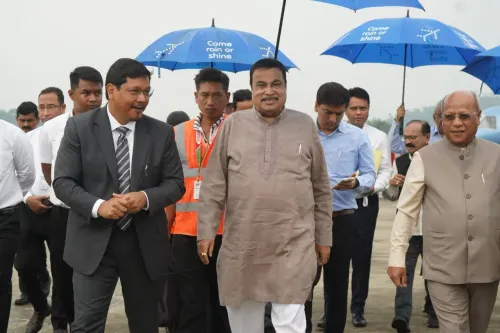
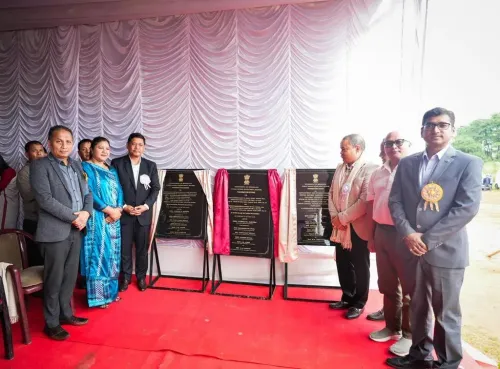
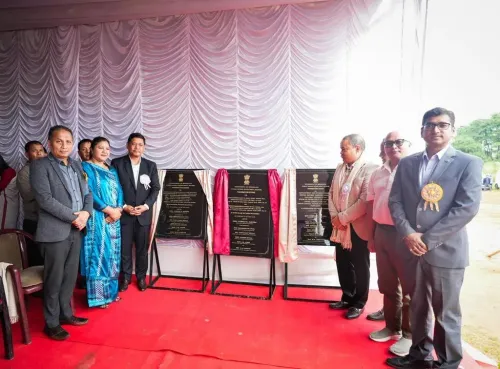
CM Conrad Sangma lays foundation for ₹3 Cr Silchang Gittim Road
Synopsis
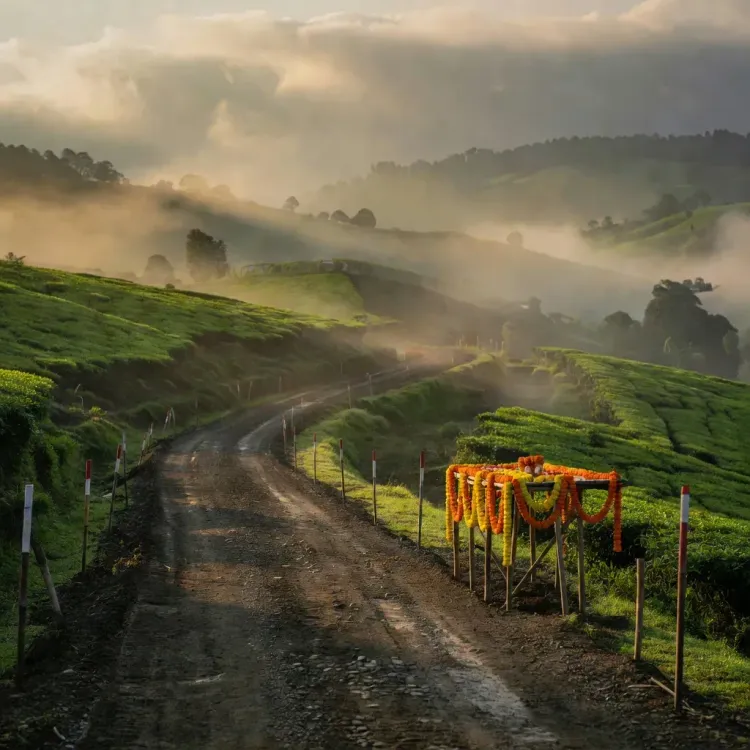
Meghalaya CM Conrad Sangma laid the foundation for a ₹3 crore, 2.05-km all-weather road linking Silchang Gittim village to the PMGSY network under NABARD's RIDF-XXXI, extending year-round connectivity to a previously isolated community.
Key Takeaways
₹3 crore allocated for the Nengbrak–Silchang Gittim Road under RIDF-XXXI .
Road stretches 2.05 km and provides all-weather connectivity to Silchang Gittim village in Meghalaya.
The new road plugs into the existing PMGSY network, completing a last-mile link.
Funding flows through NABARD , backed by the Ministry of Finance ; RIDF has financed rural infrastructure since 1995–96 .
Meghalaya has consistently used RIDF tranches to complement PMGSY in its hilly, dispersed terrain.
A ₹3 crore road is a small line on a budget sheet — but for the residents of Silchang Gittim, it is the difference between seasonal isolation and year-round connection to the world. Meghalaya Chief Minister Conrad Sangma on Tuesday, November 10, 2026, laid the foundation stone for the Nengbrak–Silchang Gittim Gittim Road, a 2.05-km all-weather link funded under RIDF-XXXI — the thirty-first tranche of the Rural Infrastructure Development Fund administered by NABARD.
A 2.05-km road that plugs Silchang Gittim into the national network
The new stretch will tie Silchang Gittim into the existing Pradhan Mantri Gram Sadak Yojana (PMGSY) road network, completing a last-mile link that the central scheme's larger grid had not yet reached. That design — RIDF filling the gaps PMGSY leaves — is a deliberate and recurring architecture in Meghalaya's rural road strategy, where hilly terrain and dispersed settlements make large standardised projects difficult and small targeted ones indispensable.
RIDF and PMGSY: three decades of complementary reach in the Northeast
RIDF was instituted in 1995–96 by the Government of India to channel commercial-bank shortfall deposits into rural infrastructure through NABARD. PMGSY followed in 2000, targeting unconnected rural habitations with all-weather roads. Together, the two schemes have served as the twin engines of rural connectivity in the Northeast, where geography routinely defeats one-size-fits-all planning. Meghalaya has drawn repeatedly on successive RIDF tranches for precisely these short, high-impact corridor projects — each modest in cost, significant in consequence for the village at the end of the road.
The project was tagged to @NABARDOnline and @FinMinIndia in Sangma's post, signalling the institutional chain: the Ministry of Finance allocates resources to NABARD, NABARD channels them to states, and states execute on the ground. When that chain holds, a ₹3 crore allocation unlocks daily mobility for a community that otherwise loses access every monsoon season.
For Silchang Gittim's residents, the kicker is practical and immediate: an all-weather road means goods reach markets, students reach schools, and emergency vehicles reach homes — regardless of what the sky decides to do.
Point of View
And RIDF finances the capillaries that reach isolated communities the larger scheme misses. For Meghalaya, where monsoon terrain repeatedly cuts off villages, these small-ticket RIDF projects carry outsized political and developmental weight. Conrad Sangma's decision to publicly tag both NABARD and the Finance Ministry signals a deliberate effort to credit the institutional pipeline — useful optics as RIDF-XXXI rolls out across the state. The pattern to watch is whether Meghalaya accelerates RIDF drawdowns ahead of the next state budget cycle.
NationPress
10 Nov 2026
Frequently Asked Questions
What is the Nengbrak–Silchang Gittim Road project?
It is a 2.05-km all-weather road in Meghalaya connecting Silchang Gittim village to the existing PMGSY network, funded at ₹3 crore under RIDF-XXXI via NABARD.
What is RIDF and who manages it?
RIDF (Rural Infrastructure Development Fund) was set up in 1995–96 by the Government of India and is administered by NABARD to finance rural roads, irrigation and other infrastructure in states.
How does RIDF relate to PMGSY?
PMGSY , launched in 2000 , builds all-weather roads to unconnected rural habitations on a large scale, while RIDF funds smaller, targeted projects that fill the last-mile gaps PMGSY cannot always reach — particularly in hilly Northeast states like Meghalaya.
Why is all-weather connectivity important for Silchang Gittim?
In Meghalaya's hilly terrain, seasonal roads become impassable during the monsoon, cutting villages off from markets, schools and emergency services. An all-weather road ensures connectivity throughout the year.
Who laid the foundation stone for the Silchang Gittim road?
Meghalaya Chief Minister Conrad Sangma laid the foundation stone on November 10, 2026 .