CM Conrad Sangma Lays Foundation for ₹76-Cr Meghalaya Road
Synopsis
Meghalaya CM Conrad Sangma laid the foundation stone for an 18.64-km road linking NH-206 to NH-6 via a bridge over the Myntdu River in East Jaiñtia Hills, at a cost of ₹76.43 crore, aiming to boost trade and mobility in the region.
Key Takeaways
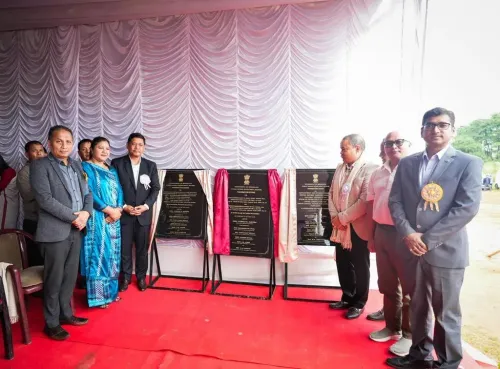
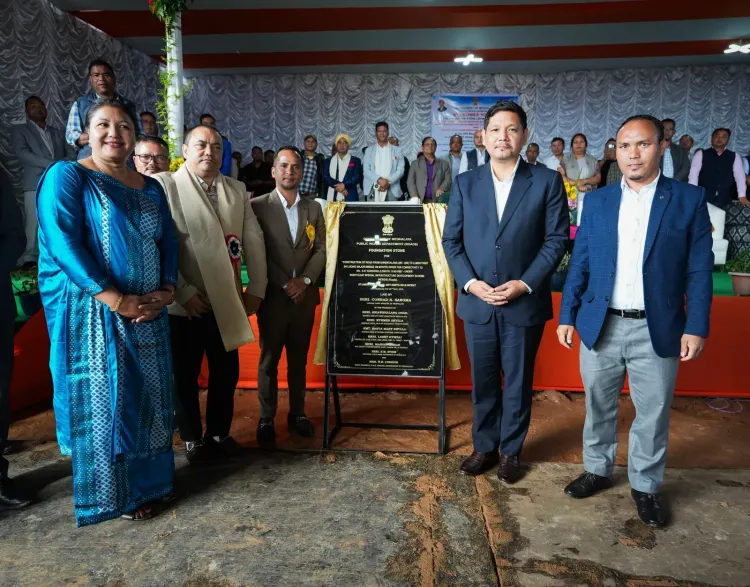
Conrad Sangma laid the foundation stone at Lumshyrmit, East Jaiñtia Hills on 28 May 2026 .
The road spans 18.64 km , connecting Shkentalang (NH-206) to Lumshyrmit and linking to NH-6 at Kongong .
A major bridge over the Myntdu River is the centrepiece of the project.
Total investment stands at ₹76.43 crore under central-state cooperative funding.
The project is aligned with the Bharatmala Pariyojana and Northeast Special Infrastructure Scheme.
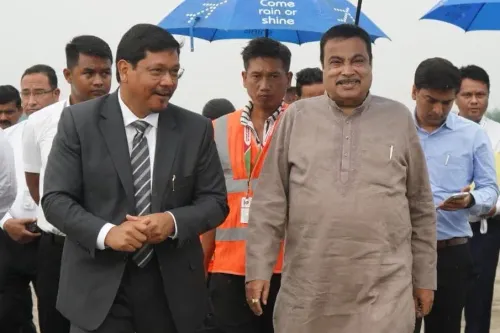
Union Minister Nitin Gadkari was tagged, indicating Ministry of Road Transport and Highways partnership.
Meghalaya Chief Minister Conrad Sangma on Thursday, 28 May 2026, laid the foundation stone for a new road connecting Shkentalang (NH-206) to Lumshyrmit in East Jaiñtia Hills District, a project that includes a major bridge over the Myntdu River and links to NH-6 at Kongong, spanning 18.64 km at an investment of ₹76.43 crore.
Context
East Jaiñtia Hills is one of Meghalaya's more remote districts, characterised by hilly terrain and historically constrained road connectivity to major national highway corridors. The new alignment will bridge the gap between NH-206 and NH-6, two arterial routes in the state, with the Myntdu River crossing serving as the structural centrepiece of the project. Chief Minister Sangma tagged Union Minister for Road Transport and Highways Nitin Gadkari in his post, signalling central government partnership in the initiative.
Sangma described the project as 'a transformative project' that 'will improve accessibility, reduce travel time, and create better opportunities for trade, mobility, and economic growth for the people of the region.' The foundation-stone ceremony at Lumshyrmit marks the formal commencement of pre-construction activity.
Policy Backdrop
The project fits within a sustained central government push to improve surface connectivity across the Northeast, a region where difficult terrain and historical under-investment have long constrained mobility. The Bharatmala Pariyojana, launched in 2015, identified multiple national highway stretches in Meghalaya for upgradation and new bridge construction. The Ministry of Road Transport and Highways has also sanctioned several Meghalaya projects under the Northeast Special Infrastructure Scheme in subsequent years.
Successive Union budgets have allocated higher outlays for national highways in hill states, with execution typically channelled through state governments backed by central funding. The ₹76.43-crore outlay for an 18.64-km corridor reflects the capital-intensive nature of road construction in hilly, river-crossed terrain.
Stakeholders and Impact
Residents of East Jaiñtia Hills — including local traders, daily commuters, and communities in villages along the alignment — stand to benefit most directly from reduced travel time once the road and bridge are operational. Improved connectivity to NH-6 at Kongong is expected to open faster routes to markets in the Barak Valley and beyond, supporting agricultural and commercial trade flows.
The project also carries broader significance for the National People's Party-led state government, which has positioned infrastructure development as a central pillar of its governance agenda in Meghalaya. Tagging Gadkari publicly underscores the cooperative federalism framing that both the state administration and the Union government have favoured for Northeast development projects.
What's Next
The immediate milestones for the project will include formal tendering, resolution of any land acquisition requirements, and the Ministry of Road Transport and Highways confirming a scheduled completion timeline. Progress on the Myntdu River bridge — the most technically demanding component — will be closely watched as a barometer of overall execution pace.
If delivered on schedule, the road will add a meaningful link to Meghalaya's expanding national highway network and serve as a template for further connectivity investments in the district. The state government has indicated it 'remains committed to building stronger road networks that connect communities and pave the way for progress.'
Point of View
Conrad Sangma reinforces the cooperative federalism optics that have become standard practice for BJP-allied state governments seeking to share credit for centrally-funded projects. For the NPP government, highway milestones in remote districts serve a dual purpose: tangible development delivery and a counter-narrative to criticism about the pace of progress in Meghalaya's interior. The project's real test, however, lies in execution — land acquisition and bridge construction in river-valley terrain have historically caused delays across Northeast highway projects.
NationPress
11 Oct 2026
Frequently Asked Questions
What is the Shkentalang to Lumshyrmit road project in Meghalaya?
It is an 18.64-km road project in East Jaiñtia Hills, Meghalaya, including a bridge over the Myntdu River, connecting NH-206 at Shkentalang to NH-6 at Kongong near Lumshyrmit, at a cost of ₹76.43 crore.
Who laid the foundation stone for the Lumshyrmit road project?
Meghalaya Chief Minister Conrad Sangma laid the foundation stone at Lumshyrmit on 28 May 2026.
What is the cost of the Myntdu River bridge project in East Jaintia Hills?
The total investment for the Shkentalang-Lumshyrmit road and bridge project is ₹76.43 crore.
How does this road project benefit East Jaintia Hills residents?
The project is expected to reduce travel time, improve access to markets, and support trade and economic activity by connecting NH-206 to NH-6 through a previously under-served corridor.
Is this project part of Bharatmala Pariyojana?
The project aligns with the Bharatmala Pariyojana and the Northeast Special Infrastructure Scheme, both of which have targeted national highway expansion in Meghalaya and other hill states.