CM Conrad Sangma lays foundation of ₹65 cr State Vet Hospital
Synopsis
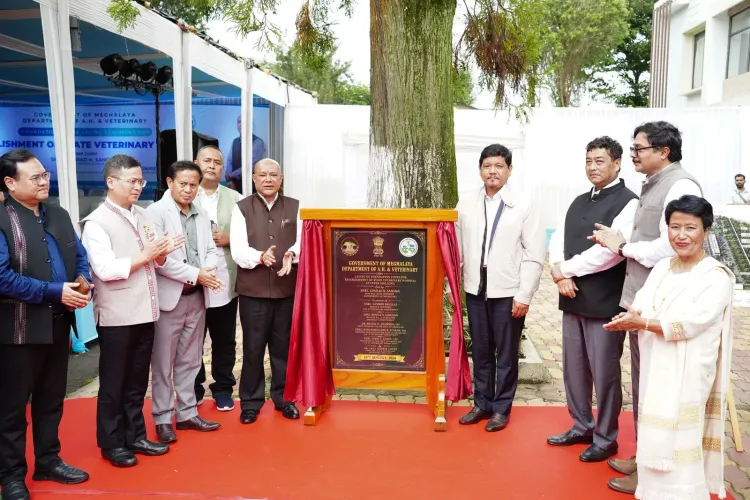
Meghalaya Chief Minister Conrad Sangma laid the foundation stone of a ₹65 crore State Veterinary Hospital at Upper Shillong on 19 August 2026, anchoring a hub-and-spoke veterinary network aimed at improving animal health, supporting farmers and narrowing the state's livestock demand-supply gap.
Key Takeaways
Meghalaya CM Conrad Sangma laid the foundation stone of the ₹65 crore State Veterinary Hospital at Upper Shillong on 19 August 2026 .
The hospital will offer advanced diagnostics, imaging, surgery, orthopaedics, inpatient care, laboratories and pharmacy services .
A hub-and-spoke model will link the new hospital to strengthened district veterinary centres across Meghalaya.
The project targets improved animal health, farmer support, entrepreneurship and bridging the demand-supply gap in livestock produce.
Union Minister Lalan Singh of the Ministry of Fisheries, Animal Husbandry and Dairying was tagged, indicating central coordination.
Sangma has set an ambition for the facility to become a leading veterinary hospital and research centre for the Northeast .
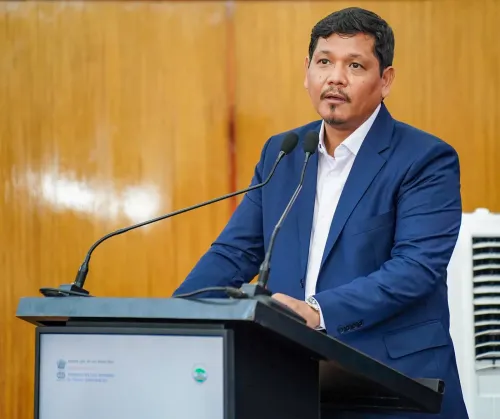
A ₹65 crore State Veterinary Hospital is coming to Upper Shillong — and Meghalaya Chief Minister Conrad Sangma wants it to be far more than a place to treat sick animals. On Wednesday, 19 August 2026, Sangma laid the foundation stone for the facility, framing it as the anchor of a wider veterinary ecosystem that he says will reshape rural livelihoods across the state and the Northeast.
What the hospital will actually do
The facility is designed as a full-service referral centre, housing advanced diagnostics, imaging, surgery, orthopaedics, inpatient care, laboratories and pharmacy services under one roof. That breadth matters in a hilly state where specialised veterinary care has historically been scarce and scattered. For livestock farmers in Meghalaya's villages, a single high-capability hospital in Upper Shillong creates a destination — a place where complex cases can finally be handled without sending animals out of the state.
The hub-and-spoke plan behind the headline number
Sangma was explicit that the ₹65 crore hospital is the hub, not the whole story. Alongside it, the government is strengthening district veterinary centres — upgrading infrastructure, equipment, medicines and manpower so that routine care stays local while complex cases travel up to the new facility. This hub-and-spoke architecture mirrors what several other states have done to decentralise specialised services without duplicating expensive infrastructure at every level.
The Chief Minister also tagged Union Minister Lalan Singh of the Ministry of Fisheries, Animal Husbandry and Dairying, signalling that central government coordination — and potentially central scheme funding — is part of the picture. The ministry oversees national animal husbandry policy and runs several capital-support schemes that states can draw on for exactly this kind of infrastructure push.
Farmers, entrepreneurship and the demand-supply gap
Sangma tied the hospital directly to three economic goals: improving animal health, supporting farmers and promoting entrepreneurship. The third goal is the most forward-looking. Healthy livestock herds underpin a supply chain — meat, milk, eggs — that Meghalaya currently cannot fully meet from within its borders. A stronger veterinary system reduces mortality and disease losses, which in turn makes livestock rearing a more bankable livelihood and opens space for agri-entrepreneurs along the value chain.
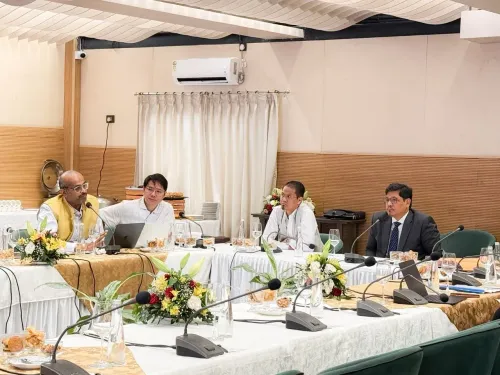
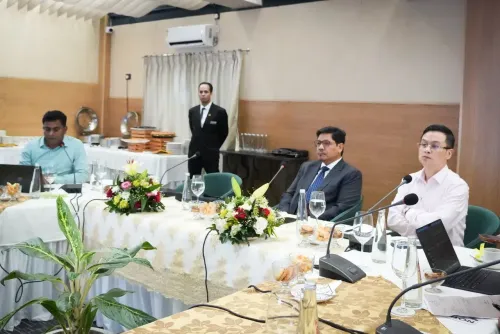
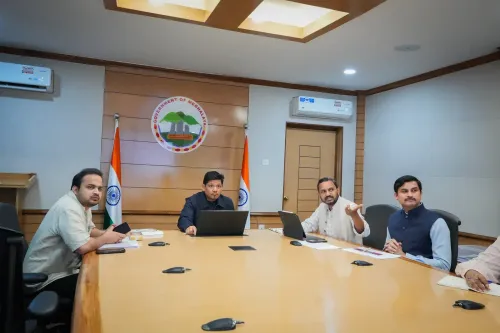
He also used the occasion to push the department itself, urging officials to take 'greater ownership and initiative in solving problems' rather than waiting for top-down direction. 'The Government can provide the roadmap and infrastructure,' he said, 'but real change will come when the entire system works together.'
Ambition: a Northeast veterinary research landmark
The CM's stated target for the Upper Shillong facility is to make it 'a leading veterinary hospital and research centre for Meghalaya and the Northeast' — a regional benchmark, not just a state asset. Whether the hospital achieves that will depend on how quickly the district spokes are operationalised and whether the manpower pipeline — trained veterinary professionals willing to serve in hilly terrain — keeps pace with the infrastructure.
The next indicators to watch: state budget allocations for the district-level rollout and any formal linkage of the project to central animal husbandry schemes.
Point of View
Costed asset in the lead-up to future state budget cycles. Tagging the Union Animal Husbandry Minister is a deliberate move to keep central scheme funding on the table, reflecting the Northeast's dependence on Centre-state co-financing for capital projects. The hub-and-spoke framing also insulates the government from the obvious risk: a single referral hospital means little if district-level care remains weak, so building the narrative around the network rather than the building alone is smart expectation management. Whether manpower — always the harder problem in hilly states — follows the infrastructure will be the real test of the ecosystem ambition.
NationPress
19 Aug 2026
Frequently Asked Questions
Where is the new State Veterinary Hospital in Meghalaya being built?
The hospital is being built at Upper Shillong in the East Khasi Hills district of Meghalaya.
What is the cost of the Meghalaya State Veterinary Hospital?
The hospital has been estimated at ₹65 crore , as announced by Chief Minister Conrad Sangma at the foundation-stone laying on 19 August 2026.
What services will the Upper Shillong veterinary hospital offer?
The facility will provide advanced diagnostics, imaging, surgery, orthopaedics, inpatient care, laboratories and pharmacy services , making it a full-service referral centre for the state.
What is the hub-and-spoke model Conrad Sangma mentioned for veterinary care?
The hub-and-spoke model places the new Upper Shillong hospital as the central referral hub, while district veterinary centres across Meghalaya are upgraded with better infrastructure, equipment, medicines and manpower to handle routine care locally.
Which central minister is involved in the Meghalaya veterinary hospital project?
CM Sangma tagged Union Minister Lalan Singh , who heads the Ministry of Fisheries, Animal Husbandry and Dairying , indicating central government coordination on the project.