Meghalaya's DREAM Mission turns people's movement, says CM Sangma
Synopsis
Meghalaya's DREAM Mission is no longer just a government scheme — CM Conrad Sangma says it has become a genuine people's movement. With a new rehab centre inaugurated, a Recovery Track Portal launched, and financial aid disbursed to de-addiction organisations, the state is moving from awareness to accountability in its fight against drugs.
Key Takeaways
Sangma declared the DREAM Mission has evolved from a government initiative into a people's movement on 26 June 2025 .
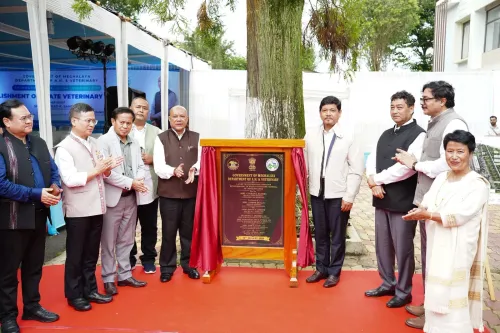
The Centre of Evolution at Reid Provincial Chest Hospital, Shillong was inaugurated, offering medical treatment, counselling, and rehabilitation for addiction.
The Recovery Track Portal was launched to improve monitoring and coordination of rehabilitation efforts.
A Memorandum of Understanding was signed between the Social Welfare Department , DREAM , and SEWA Inland, Tura .
Awards were presented to recovery champions, community champions, and outreach workers; financial assistance was distributed to de-addiction organisations.
Sangma broadened the definition of addiction to include screen time, mobile phone dependency, and compulsive shopping.
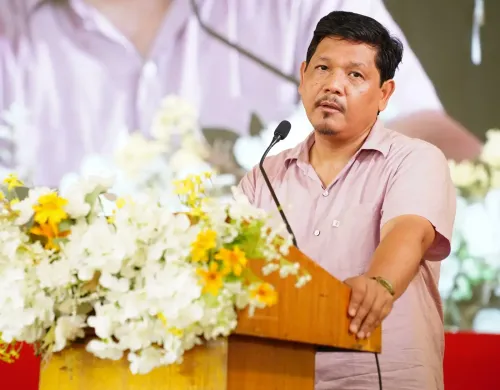
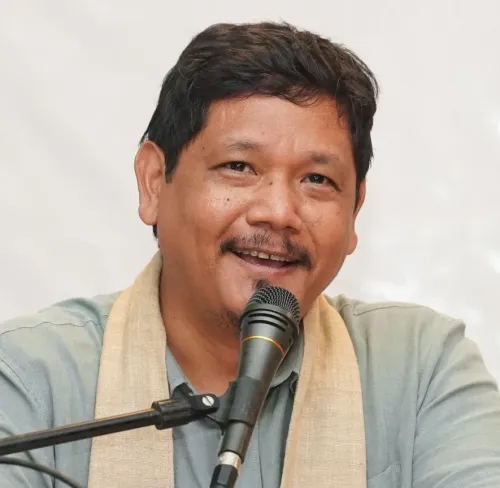
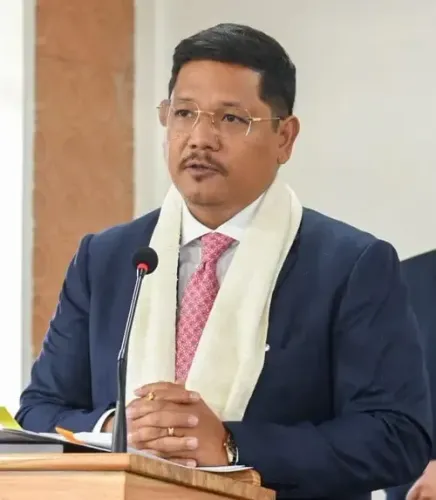
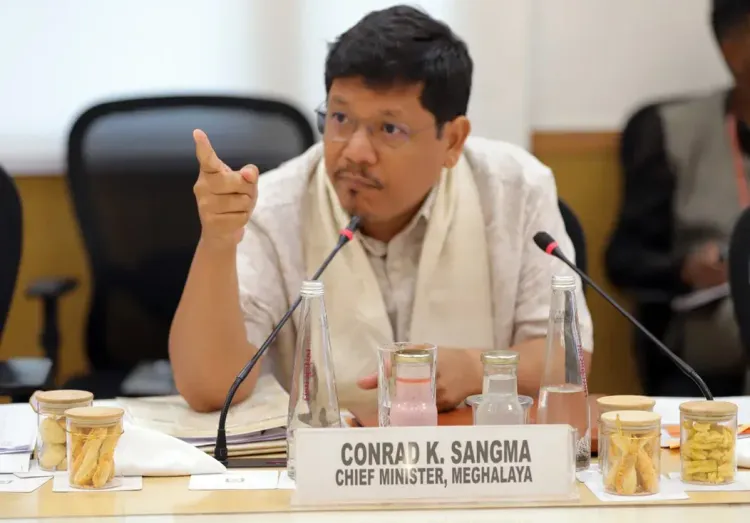
Meghalaya Chief Minister Conrad K. Sangma on Friday, 26 June declared that the state's DREAM (Drug Reduction, Elimination and Action) Mission has transcended its origins as a government programme, evolving into a broad-based people's movement that unites communities, institutions, and civil society organisations in a coordinated fight against drug abuse and illicit trafficking. The announcement came during the state-level observance of the International Day Against Drug Abuse and Illicit Trafficking in Shillong.
What the DREAM Mission Stands For
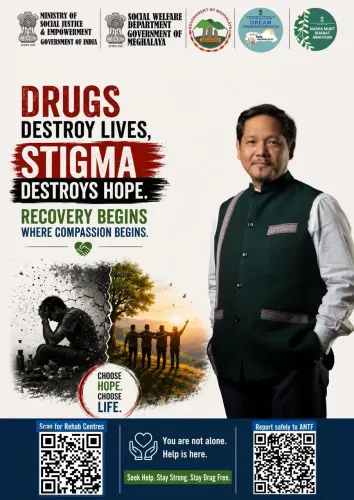
The DREAM Mission is Meghalaya government's flagship anti-drug initiative, designed to prevent substance abuse, strengthen rehabilitation infrastructure, build public awareness, and coordinate action across government departments, law enforcement agencies, educational institutions, and civil society groups. Sangma noted that while many organisations and individuals had long been active against substance abuse, their efforts historically lacked coordination. The mission, he said, has created a common platform to ensure greater collaboration and measurable impact.
Key Developments at the Shillong Observance
The event in Shillong marked several concrete steps forward. Sangma administered an anti-drug pledge to those gathered and inaugurated the Centre of Evolution at Reid Provincial Chest Hospital, which will offer medical treatment, counselling, therapy, and rehabilitation support for individuals battling addiction. Financial assistance was distributed to organisations working in drug de-addiction and rehabilitation, and awards were presented to recovery champions, community champions, and outreach workers. The Recovery Track Portal was also launched, and a Memorandum of Understanding was signed between the Social Welfare Department, DREAM, and SEWA Inland, Tura.
What the Chief Minister Said
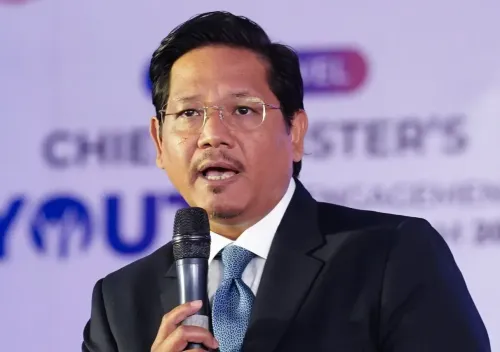
Sangma emphasised that awareness campaigns alone would not be sufficient to address the crisis, calling for concrete, sustained action. 'This day unites governments, communities, educators and faith-based organisations in a shared mission to eradicate drug misuse, end illicit drug trafficking and replace the stigma of addiction with compassion and empathy,' he said. He added: 'The movement against drug abuse cannot succeed unless common people become active participants. We are here not only to appreciate the efforts of stakeholders but also to listen to their suggestions and strengthen this collective mission.'
Notably, Sangma broadened the conversation around addiction beyond narcotics, pointing to modern dependencies such as excessive screen time, mobile phone usage, and compulsive shopping. 'Everyone has room for improvement and everyone needs help at some point in life,' he remarked.
Technical Sessions and Road Ahead
The observance also featured technical sessions focused on disrupting drug trafficking networks, strengthening school-based prevention mechanisms, and improving early intervention and treatment for substance use disorders. The multi-pronged approach signals that Meghalaya intends to tackle the drug crisis at every level — from supply-side enforcement to demand-side rehabilitation — with public participation positioned as the long-term cornerstone of the mission's success.
Point of View
But the harder question is whether institutional infrastructure can keep pace with the rhetoric. Inaugurating a single rehabilitation centre and launching a portal are meaningful steps, but the Northeast's drug crisis — fed by proximity to the Golden Triangle — demands enforcement muscle alongside community empathy. The broadening of 'addiction' to include screen time risks diluting the urgency of the narcotic crisis if not carefully communicated. The real measure of DREAM's success will be in its Recovery Track Portal data, not its pledge ceremonies.
NationPress
25 Sept 2026
Frequently Asked Questions
What is Meghalaya's DREAM Mission?
The DREAM (Drug Reduction, Elimination and Action) Mission is Meghalaya's flagship government programme aimed at preventing drug abuse, strengthening rehabilitation, building awareness, and coordinating action among law enforcement, educational institutions, civil society, and communities. CM Conrad Sangma announced on 26 June 2025 that it has evolved into a broad people's movement.
What was inaugurated at the International Day Against Drug Abuse event in Shillong?
CM Sangma inaugurated the Centre of Evolution at Reid Provincial Chest Hospital in Shillong, which will provide medical treatment, counselling, therapy, and rehabilitation support for individuals battling addiction. The Recovery Track Portal was also launched at the same event.
Why does CM Sangma say public participation is crucial to the DREAM Mission?
Sangma stressed that awareness alone is insufficient and that the anti-drug movement cannot succeed without ordinary citizens becoming active participants. He noted that many organisations had been working against substance abuse individually, but lacked coordination — a gap the DREAM Mission aims to bridge by creating a common platform.
What MoU was signed at the Shillong event?
A Memorandum of Understanding was signed between the Social Welfare Department, DREAM, and SEWA Inland, Tura, to formalise collaboration on drug de-addiction and rehabilitation efforts in Meghalaya.
What topics were covered in the technical sessions at the observance?
The technical sessions focused on disrupting drug trafficking networks, strengthening school-based prevention mechanisms, and improving early intervention and treatment for substance use disorders — reflecting a multi-pronged approach to the drug crisis.